How Do Thieves Steal Your Key Fob Signal
Thieves use a relay device to catch and amplify your key fob's signal through your front door, tricking your car into unlocking.
What relay theft actually needs to work
- A fob within range Your key fob is always listening for your car, even sitting on a hallway table. Keep it somewhere signals can't easily pass through, like a metal tin or a pouch made for this.
- A car that trusts the signal Most keyless cars will unlock and start for any signal that matches, without checking distance. Ask your dealer or manufacturer if your model has motion sensing that limits this.
- Two people working together One thief stands near your door with a relay box while the other stands by your car. This only works at short range, so distance between your key and the street matters.
- No resistance after entry Once inside, a thief with a relayed signal can start the car and drive off like any owner. A steering lock or secondary device that isn't signal based adds a step they can't relay around.
- Silence from you about the risk Many owners don't know this method exists until it happens to them. Knowing the mechanics is most of the defense, since the fix is mostly about where you keep your keys.
Can a relay device unlock my car from inside my house?
Yes, if your key fob is close enough to an exterior wall or door for its signal to reach outside. Relay devices work by catching that signal and rebroadcasting it, so distance and material between the fob and the street are what matter, not whether you're home.
A fob sitting by the front door or on a kitchen counter near the street side of the house is often close enough. Moving it to a room farther inside, or behind more walls, makes the signal harder to catch. A signal blocking pouch or box removes the problem entirely because it stops the fob from transmitting at all.
This isn't about your alarm system or your locks. It's about whether your key's signal can be reached from outside, so the fix lives in where you store your keys, not in anything else you install.
Whether you block your key fob's signal at home
If you do
You store your fob in a signal blocking pouch or metal tin away from the front door. A relay device outside has nothing to catch, so the car stays locked and silent. This closes off the most common version of this theft without changing anything else about how you live or park.
If you don't
Your fob keeps transmitting from wherever you leave it, even behind closed doors. If that spot is near an exterior wall, a relay device parked outside can catch the signal and drive off with your car in minutes, often without triggering an alarm.
Once you know how relay theft works and whether your car is exposed, compare quotes with that risk in mind.
Why your key never really stops talking
Keyless entry was built for convenience, so the fob and the car are designed to communicate automatically, without you pressing anything. That always on signal is the whole feature, and it's also the whole vulnerability. The car can't tell the difference between your key three feet away and your key's signal relayed from forty feet away through a device, because the two look identical from the car's side.
Some newer systems add motion sensors to the fob so it stops transmitting when it's been still for a while, or they measure signal timing closely enough to catch a relay's delay. These features vary by manufacturer and even by model year, so check your owner's manual or ask a dealer whether your specific car has them. Older keyless models and many mid range ones don't, and there's no simple way to tell from outside the car.
The theft also depends on your house, not just your car. A fob sitting near a front door or front window is far easier to reach than one sitting in a back room or a drawer. This is why the advice is almost always about where you keep your keys rather than anything you can do to the car itself after the fact.
Where this plays out differently is with older cars that use traditional keys without a fob, since there's no signal to relay at all. It also plays out differently with cars that require the fob to make physical contact with a start button sensor, which some manufacturers use specifically to close this gap.
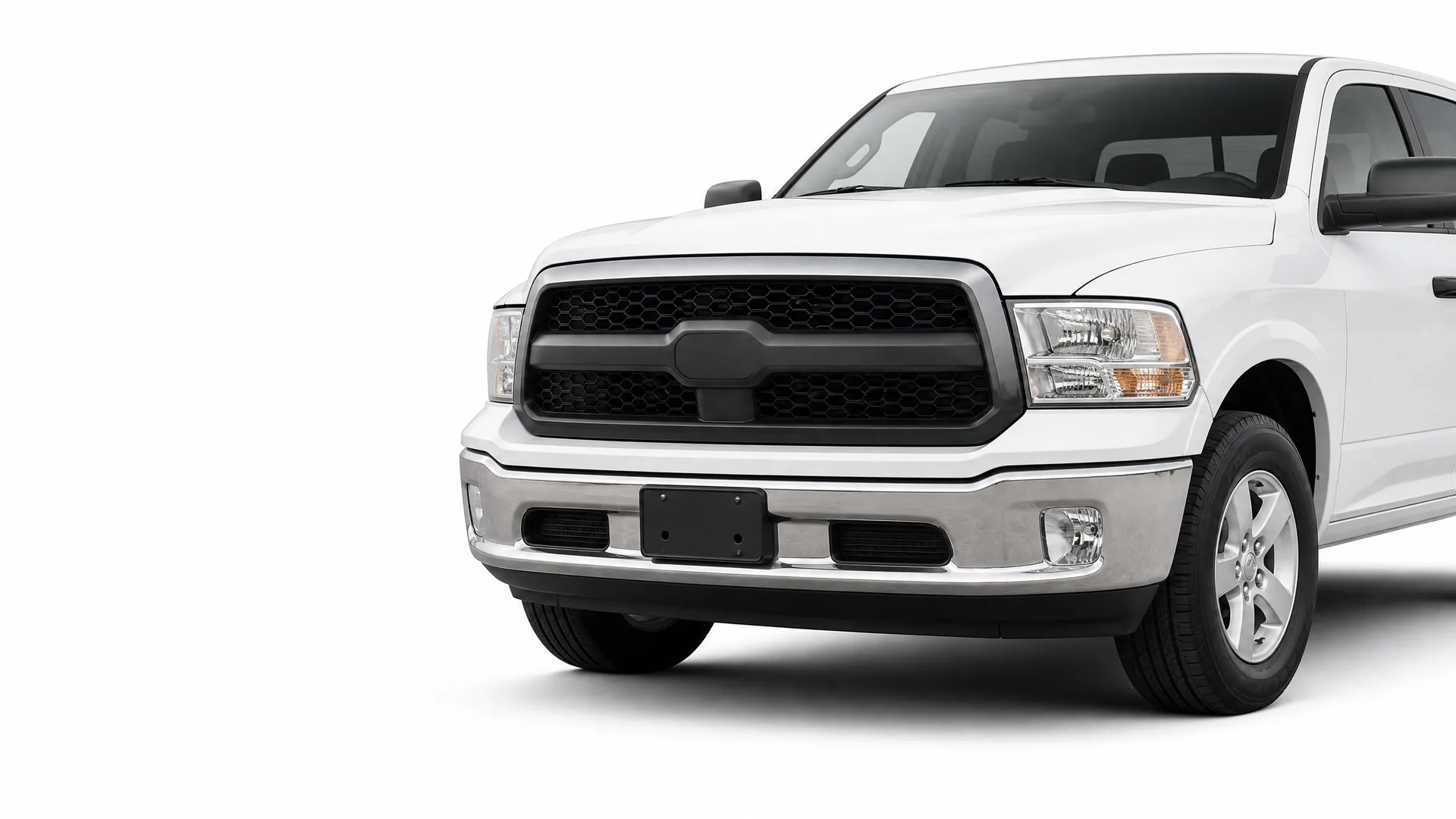
The car isn't being hacked. Your key is just talking louder than you think, right through your front door.
Does comprehensive coverage pay out if my car is stolen this way?
Yes, comprehensive coverage is what responds to theft, regardless of the method used to take the car. It doesn't matter to the claim whether a thief used a relay device, a stolen key, or broke a window, since comprehensive covers the car being taken or damaged outside of a collision. Check that you actually carry comprehensive and not just liability, since liability alone won't cover this. Your deductible is what would change how much you actually recover.
Will my insurance rates go up after a relay theft claim?
It depends on your insurer and your state, since some treat comprehensive theft claims differently from at fault accidents when it comes to renewal pricing. Many insurers consider theft a no fault event and price it more gently than a collision you caused, but this isn't universal. Ask your insurer directly how a theft claim affects your specific policy before you assume either way, since this varies enough that guessing isn't reliable.
Are signal blocking pouches actually effective against relay theft?
Yes, a properly made signal blocking pouch stops your fob from transmitting at all, which removes the signal a relay device needs to catch. The key is that it has to fully block the frequency your fob uses, so cheaper or poorly made pouches sometimes leak signal. Test yours by trying to lock or unlock your car from a few feet away with the fob inside the pouch, since if it still works, the pouch isn't blocking enough.