How Do I Know if Water Damaged My Car
Water damage shows up in smells, stains, and electrical glitches, and you check the carpet, lights, and smell together, not just one.
Water hides in layers, so one clean check isn't enough
Water damage isn't always obvious because water moves where gravity takes it, not where you'd think to look. It pools under carpets, seeps into wiring harnesses tucked under seats, and settles in places you'd never open on a normal day. A car can look and smell fine on the surface while the parts that matter most sit in moisture you can't see.
The reason this matters is that water and electronics don't mix well over time. Modern cars run on dozens of small computers and sensors, and even a little corrosion on a connector can cause a problem that doesn't appear for weeks or months. That's why checking right after a flood, a storm, or buying a used car isn't enough. You want to check again later, because some damage takes time to announce itself.
How deep you need to check depends on how the water got there. A car that sat in a flood with water above the floorboards needs a much closer look than one that got rained on through a sunroof seal. The height the water reached, how long it sat, and whether it was fresh or salt water all change what you're looking for and how worried to be.
Where this gets tricky is with used cars, because a seller or previous owner may not know, or may not want you to know, that a car was ever flooded. That's a different situation from checking your own car, and it calls for checking the car's history and asking direct questions, not just a visual look.
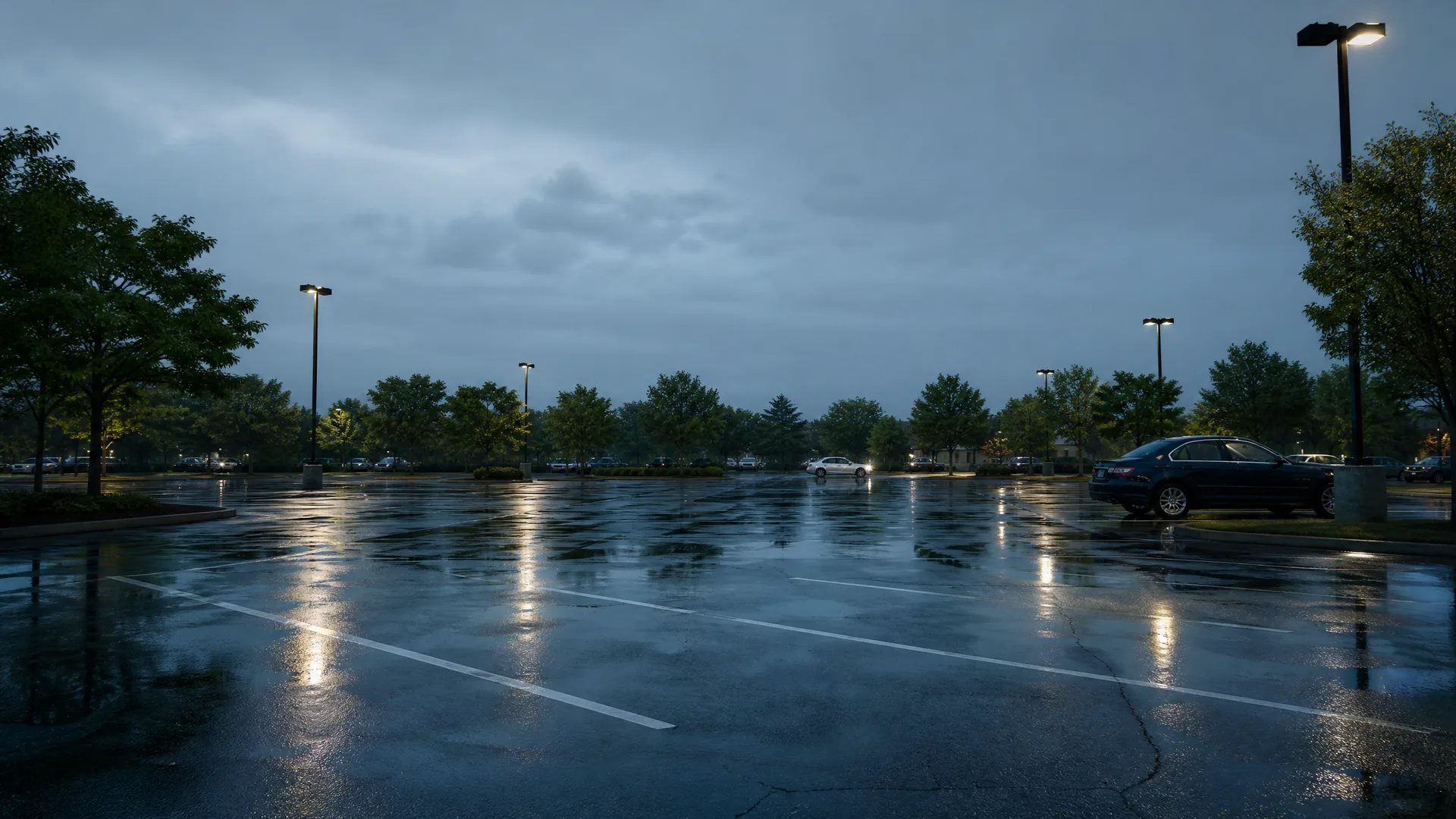
A sedan that sat through a flash flood overnight
You come home to find water had risen high enough to reach your car's doors overnight during a storm. The car still starts the next morning, which feels like a relief, but you know that starting isn't the same as being fine. You open the doors and check the carpet, pull back the floor mats, and press down to feel for sponginess or standing water underneath.
You also check the oil dipstick and look at the fluid color, since water mixing with oil is a sign it reached the engine, and you check the interior for a musty smell that builds over the next day or two as fabric dries. You notice the dome light flickers and the radio won't hold a station, both signs the water reached wiring, not just the floor. Because of that, you decide not to keep driving it and instead get it looked at before deciding whether to file a claim, since catching it early gives you more options than waiting until a sensor fails on the highway.
The real risk isn't the water you can see drying, it's the damage that only shows up weeks later.
Once you know whether your car has water damage, compare quotes to see how that affects your coverage and cost.

Whether you check thoroughly now or wait and see
If you do
You open carpets, check fluids, and test electronics before driving much further. If something's wrong, you catch it while repair is still possible and before it causes a breakdown or a bigger bill. You also have clear information if you need to file a claim or explain the car's condition to a buyer later.
If you don't
You keep driving on the assumption the car is fine because it starts and runs. Corrosion and mold can spread quietly, and a problem that could have been caught early becomes a bigger repair, or shows up at the worst possible time, like stalling in traffic.
Can a car recover fully after flood damage?
Sometimes, but it depends on how high the water rose and how fast it was dried out. Damage limited to carpets and seats, caught and dried quickly, often can be repaired well. Water that reached the engine, transmission, or wiring is much harder to fully undo, because corrosion keeps working even after everything looks dry. If the water sat for days or was salt water, full recovery is less likely, and that changes whether repair is worth it.
How do I check a used car's flood history before buying?
You pull a vehicle history report and look specifically for flood or salvage titles, then check the car in person for musty smells, water stains under carpets, and rust in unusual spots like under the dashboard or inside door panels. Checking the history report alone isn't enough, since flood damage doesn't always get reported there. If the seller is cagey about the car's past or the price seems unusually low, that's worth weighing heavily.
What does mold in a car from water damage mean for my health?
It means the car has had hidden moisture for long enough for mold to grow, which can affect your breathing with ongoing exposure. Mold usually shows up as a musty smell or visible spots on fabric or under carpets. It matters more if you have allergies or breathing issues, and it signals the water sat for a while, which makes it more likely you'll find damage beyond the smell, including in wiring and padding.