How Did Someone Steal My Car Without the Key
Modern thieves can start and drive off in your car without ever touching your keys, using tools that copy or trick its wireless signals.
How a car starts without the key in your hand
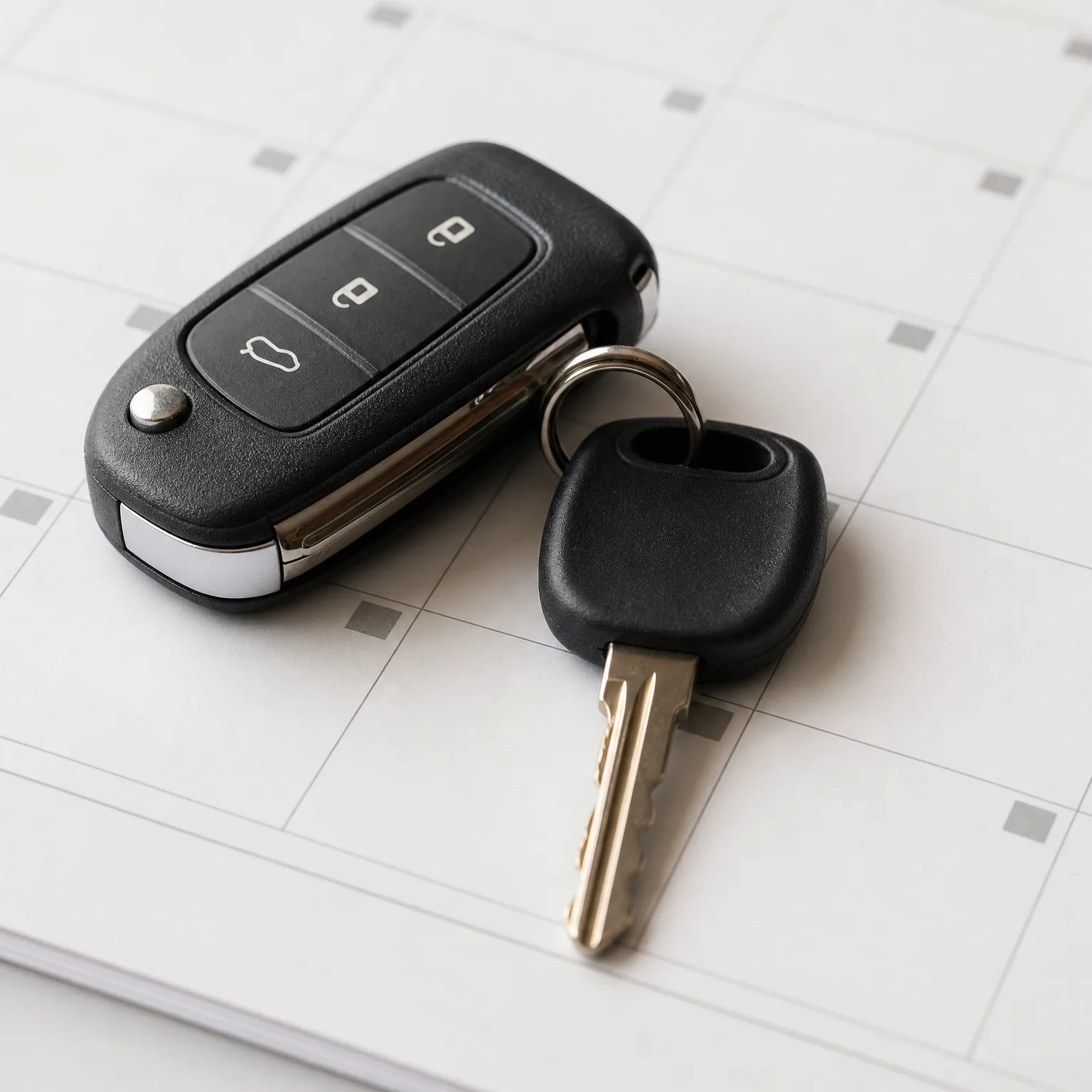
Most newer cars use a key fob that talks to the car over short-range radio signals, so the car can confirm the fob is nearby and let someone start the engine without inserting anything. That convenience is also the weak point. Thieves use devices that catch the signal from your fob, sometimes from inside your house through a door or window, and relay it to the car sitting in your driveway. The car thinks the real key is close by and unlocks and starts normally.
Other methods target the car's computer directly. Thieves can access the port under the dashboard that mechanics use, and from there program a blank key or trick the car into accepting a new one. This doesn't require your original key at all, just time, the right tool and a car that isn't being watched.
Where you live changes your actual risk more than most people expect. A detached garage, a driveway on a busy street, or a neighborhood with a recent run of thefts all raise the odds, and insurers price that in through your zip code. If your new place has a garage, using it consistently is one of the few things you control that actually lowers risk, not just against one method but all of them, since a locked garage blocks both the signal relay and physical access to the car itself.
This is also why theft coverage matters more after a move than most people realize, especially if your commute or parking situation changed. A car parked on the street overnight in a new area carries different exposure than one parked in a garage at your old place, even if nothing else about the policy changed.
A driveway theft after a cross-town move
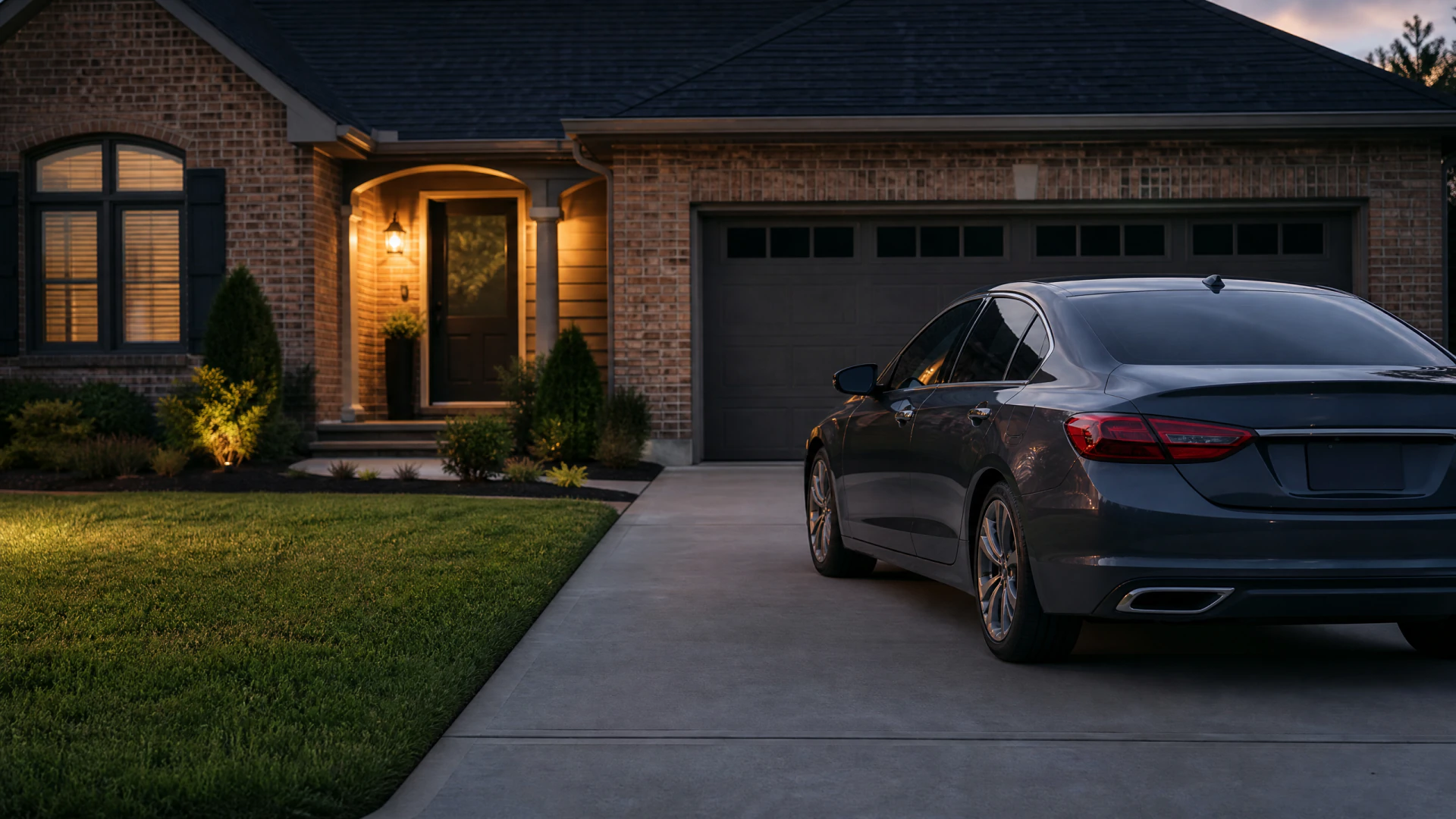
A couple moved into their first house and parked both cars in the driveway because the garage was still full of moving boxes. Three weeks later, one car was gone with no broken glass, no alarm, and the spare key still in the kitchen drawer. They assumed someone had grabbed a spare without them noticing, until the police mentioned relay theft as the likely method, something common enough in the area that officers recognized the pattern immediately.
They filed a police report and called their insurer, who confirmed comprehensive coverage applied since theft falls under that part of the policy rather than collision. They also finally emptied the garage that weekend and started parking there, and separately asked their insurer whether a signal-blocking pouch for the fob would do anything for their rate, since it reduces how easily the relay trick works. The claim was processed without issue, and the bigger change was habit, not policy, since the garage and the pouch together removed the method entirely rather than just making it harder.
Does my insurance actually cover this kind of theft?
Yes, as long as you carry comprehensive coverage, which is the part of a car insurance policy that handles theft, vandalism and similar losses rather than collisions with another vehicle. Liability-only policies, which some people keep on an older or paid-off car, don't cover theft at all, so this is worth checking now that you're reassessing coverage after the move.
Comprehensive typically requires a police report and proof the car was actually stolen rather than missing under murky circumstances, so file a report immediately if this happens. Deductibles apply here the same as elsewhere in the policy, and how much you'd owe out of pocket before coverage kicks in is something to look at now, not after a theft, especially if your new budget is tighter than before the move.
Compare quotes now that you know what coverage and parking changes actually protect you.
What actually lowers your risk and your rate
- Use the garage A garage blocks both relay theft and physical tampering, not just one method. If your new home has one, park there consistently instead of treating it as storage.
- Block the fob's signal A simple pouch or box that blocks your key fob's wireless signal stops relay theft at the source. Keep it by the door where you'd normally hang keys so it becomes routine.
- Check comprehensive coverage Theft only pays out under comprehensive, not basic liability. Confirm you actually have it and know your deductible before you need it.
- Mention your garage to insurer Garaged cars are statistically less likely to be stolen, and insurers often price that in. Ask directly whether listing it lowers your premium.
- Ask about your new zip code Theft rates vary block by block, not just by city. Ask your insurer how your new address specifically affects your rate compared to your old one.
Will a steering wheel lock actually stop someone from stealing my car?
It helps, but it won't stop every method. A visible steering wheel lock deters opportunistic thieves and anyone without specialized tools, since it adds time and effort to a theft that's usually meant to be fast and quiet. It does little against relay attacks or port-based reprogramming, since those bypass the steering column entirely by starting the car normally. Think of it as one layer, not a full solution, and pair it with garage parking or a signal-blocking pouch for better coverage of the actual methods used in your area.
Does bundling home and auto insurance help if my car gets stolen?
Bundling itself doesn't change how a theft claim is handled, but it can lower your overall cost, which matters more right after a move when you're paying for both policies at once. Each policy still pays out according to its own coverage, so your auto policy's comprehensive coverage is what responds to a stolen car, not your homeowners policy. Ask your insurer directly whether bundling changes your auto deductible or just the combined price, since that varies by insurer and isn't something you can assume.
What should I do in the first hour after I realize my car is stolen?
Call the police immediately and file a report, since most insurers require one before they'll process a theft claim. Then call your insurer to start the claim and ask what documentation they need, including the report number and any photos of where the car was parked. Check whether your car has a tracking or remote-start app, since some manufacturers can assist police in locating it quickly. Acting fast matters more here than in most claims, since recovery odds drop the longer the car is missing.