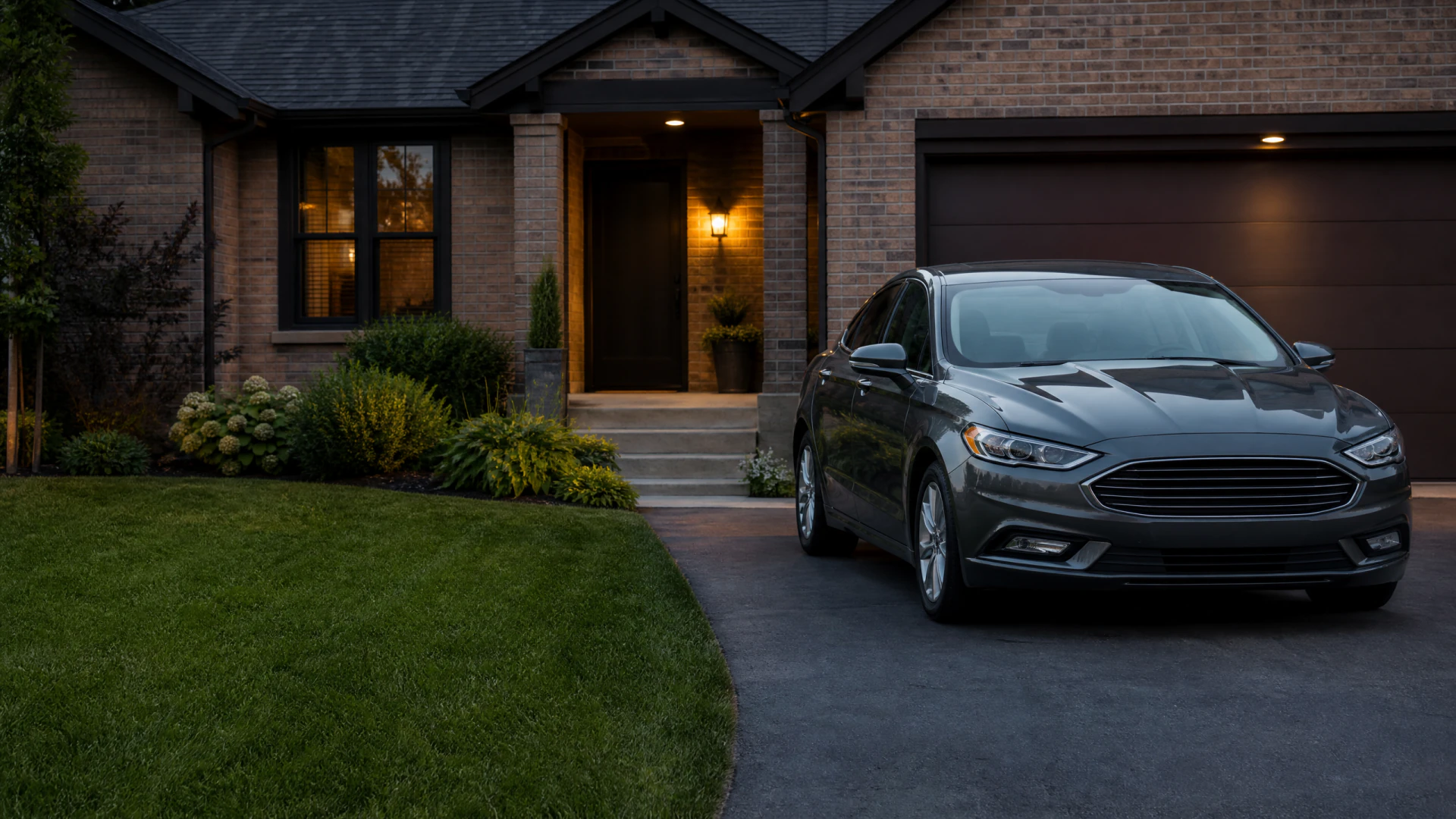
How Are People Getting Cheap Car Insurance
They're getting it by updating their details first, then comparing quotes, instead of comparing quotes with old, outdated information.

The moves that actually lower the bill
- Update your address first Your zip code changes your rate the moment you move. Tell your insurer the new address before you do anything else, because every other comparison depends on this being current.
- Mention the garage A car parked in a garage overnight is safer than one parked on the street. If you have covered parking now, tell your insurer, since it can lower what you pay.
- Ask about bundling Combining your home and car policies with one insurer often brings the price of both down. Ask your current insurer for a bundled quote before assuming you need to switch companies.
- Recheck your limits Old policies sometimes carry low limits that made sense years ago but not now. Raise what needs raising and drop what you no longer need, then see how the price moves.
- Compare quotes last Shopping around only works once your details are accurate. Get quotes after you've updated address, parking, and limits, so you're comparing real prices against each other.

The short version
People get cheaper car insurance by fixing their details first, the address, the parking, the limits, and only then comparing quotes. The savings come from accuracy, not luck. Update everything that changed since you last touched your policy, then get quotes from a few insurers and compare them side by side.

A couple who moved and fixed their policy before shopping
A couple bought their first home and moved from an apartment with street parking to a house with a driveway and an attached garage. Their commute got shorter too. Neither of them had looked at their car insurance in years, it was still listed under their old apartment address with the old commute distance on file. They called their insurer to update the address and mentioned the garage almost as an afterthought.
The updated address alone changed their rate, since their new zip code had less traffic and fewer claims than their old one. Adding the garage detail lowered it further. Before shopping around, they also looked at their liability limits, which had been set low when they first got the policy and never revisited. They raised them, since a mortgage meant they had more to protect now. Only after all of that did they request quotes from a few other insurers. Two came back higher than what their updated current policy now cost. One came back lower, and they switched. The savings came from the update, not just the comparison.
Now that you know what to fix first, compare quotes with your updated details and see where you actually stand.

Updating your policy before you shop
If you do
You give every insurer accurate information to quote against, including your new address, parking, and the limits that fit your life now. Quotes come back meaningful and comparable. You catch savings tied to your move immediately, and any quote you get afterward reflects your actual situation, not an outdated one.
If you don't
You keep paying a rate based on your old address and old assumptions. If you shop around without updating first, new quotes may come back wrong too, since insurers price based on what you tell them. You could switch companies and still overpay, because the real issue was never fixed.
Why updating details moves the price more than switching does
Insurers price risk, and risk is tied to specifics. Your zip code reflects traffic patterns, accident rates, and theft rates in your area, and that number matters as much as your driving record. A garage changes the odds your car gets damaged or stolen overnight. None of this is about loyalty or negotiation, it's about whether the insurer has accurate information to price against.
Bundling home and car policies often lowers the total because insurers want to keep more of your business under one roof. It's not guaranteed to be cheaper for everyone, and whether it helps depends on the specific insurer and the specific policies involved. Still, it's worth asking about before assuming separate policies are automatically cheaper.
Limits work differently. Raising them usually raises your price, but it also raises your protection, and for someone who just took on a mortgage, being underinsured carries its own cost if something goes wrong. The cheapest policy on paper isn't cheap if it leaves you exposed. This is a case where the lowest number isn't the same as the best decision.
Where this varies is in how much any single factor moves the needle. Some states weigh location more heavily than others, some insurers reward bundling more than others, and some reward safety features or garages more than others. Check with your insurer or your state's insurance department for how your specific factors are weighted, since there's no single formula that applies everywhere.
Will switching insurers always save more than updating my current policy?
Not necessarily. Updating your current policy fixes the foundation, since it makes sure your insurer is pricing you accurately. Sometimes that alone brings your rate down enough that switching isn't worth the hassle. Other times, even an accurately priced policy with your current insurer is still higher than what a competitor would charge for the same coverage.
The only way to know is to do both. Update your details first, so you're working from an accurate baseline, then get quotes from other insurers using those same updated details. Compare them directly. If a competitor comes back lower for the same coverage and limits, switching makes sense. If your current insurer matches or beats it, staying put and enjoying the simplicity of one unchanged policy is the better move.


