Does Owning a Home Lower Your Car Insurance
Owning a home can lower your car insurance, mainly because it usually lets you bundle your home and auto policies with one insurer.
It's the bundling and the stability, not the house itself
Insurers don't lower your car insurance rate just because you own property. What actually moves the number is what ownership triggers. Most insurers offer a discount when you carry home and auto policies together, because it's more business from one customer and a lower chance you'll leave for a cheaper rate on just one policy. That discount is where most of the savings come from.
Ownership also signals stability to some insurers. People who own homes tend to stay in one place longer, file fewer claims tied to instability, and present as a steadier risk over time. Some insurers factor this in, though not all do, and it's rarely a large piece of the pricing.
What can work against you is the new address itself. A different zip code changes your rate regardless of whether you own or rent there, based on local accident rates, theft rates, and claim history in that area. If you now park in a garage instead of on the street, that can lower comprehensive risk and help your rate. These effects are separate from the bundling discount and can push the number up or down on their own.
How much any of this matters depends entirely on the insurer and the state you're in. Some states limit how insurers can use bundling or ownership in pricing, and insurers differ widely in how they weigh each factor. Check with your current insurer and at least one competitor to see what they actually offer for your situation, rather than assuming the discount is standard or automatic.
A couple bundles after their first home purchase
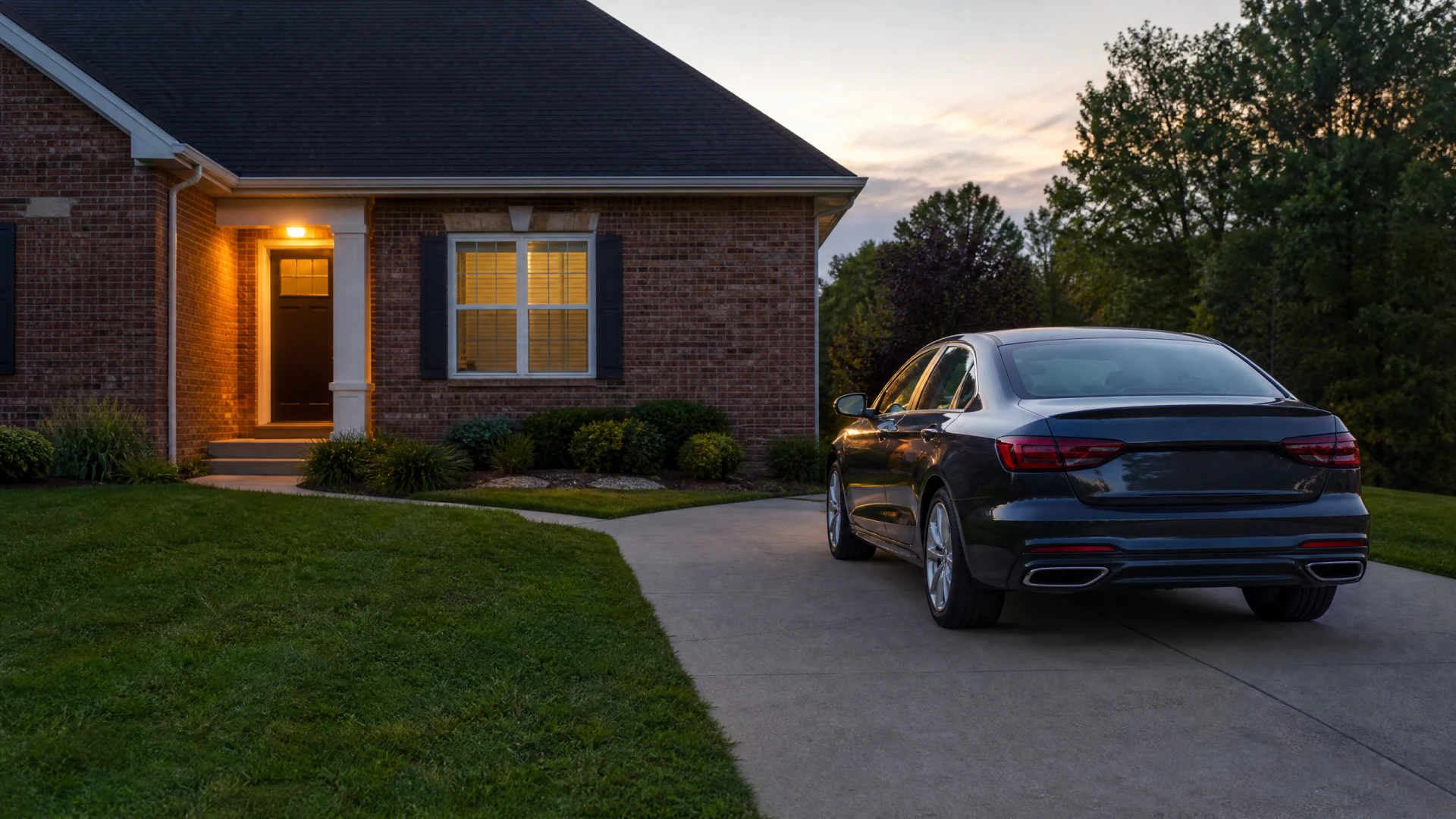
A couple bought their first home and moved across town. Their car insurance was still set up from years earlier, tied to their old address and never bundled with anything. After closing, their lender required a homeowners policy, so they had two separate policies with two different companies for the first time.
They called their new home insurer to ask about adding the cars, and called their existing auto insurer to ask what a homeowners discount would look like if they moved everything there instead. The auto insurer offered a modest bundling discount, and their new garage meant one car qualified for a lower comprehensive rate too. The home insurer's combined quote came in lower overall, so they switched the auto policy over, updated their address, and canceled the old standalone policy once the new one was active.

Compare quotes now that you know what actually drives the savings in your new situation.
Whether you bundle your home and auto policies
If you do
You'll likely see a discount applied to both policies right away, and you'll deal with one insurer and one bill instead of two. If you ever need to file a claim involving both your home and car, like storm damage to both, it can be simpler to manage through a single company.
If you don't
You keep your current auto insurer and policy terms untouched, which is fine if that insurer already has a better rate than any bundled option. You'll just want to confirm you're not missing a discount that would've cost you nothing to take, since bundling has no downside if the combined price is lower.
Does a garage actually lower my car insurance rate?
Yes, usually for comprehensive coverage, which covers theft and weather damage rather than accidents. A garaged car is less exposed to break-ins, vandalism, and hail, so insurers often price that risk lower. It won't change your liability rate, which covers damage you cause to others, since that's based on your driving, not where the car sleeps. Tell your insurer about the garage specifically, since it usually isn't applied automatically from your address alone.
Should I bundle home and auto insurance with the same company?
Bundle if the combined price from one insurer beats the best prices you'd get keeping them separate, and not otherwise. Run both numbers before deciding, since the discount doesn't always outweigh a better standalone rate elsewhere. Check how each insurer handles claims too, since you're now trusting one company with more of your coverage. If the bundled insurer is weak on home claims, that's worth weighing even if the auto price looks good.
Do I need to update my car insurance after moving?
Yes, update your address as soon as you move, since your rate is based partly on where the car is normally kept. Not updating it can affect a claim later if the insurer finds your address was outdated. Your rate may go up or down depending on the new area's accident and theft rates, which has nothing to do with whether you own or rent there. Check this immediately after moving, not after your policy renews.
The savings come from bundling and your address, not the house itself, so shop both before deciding.