Does Insurance Cover a Hit and Run on a Parked Car
If you have collision coverage, it pays to repair your car after a hit and run, even though the other driver was never found.

A cart ding in a parking lot that turned into a real claim
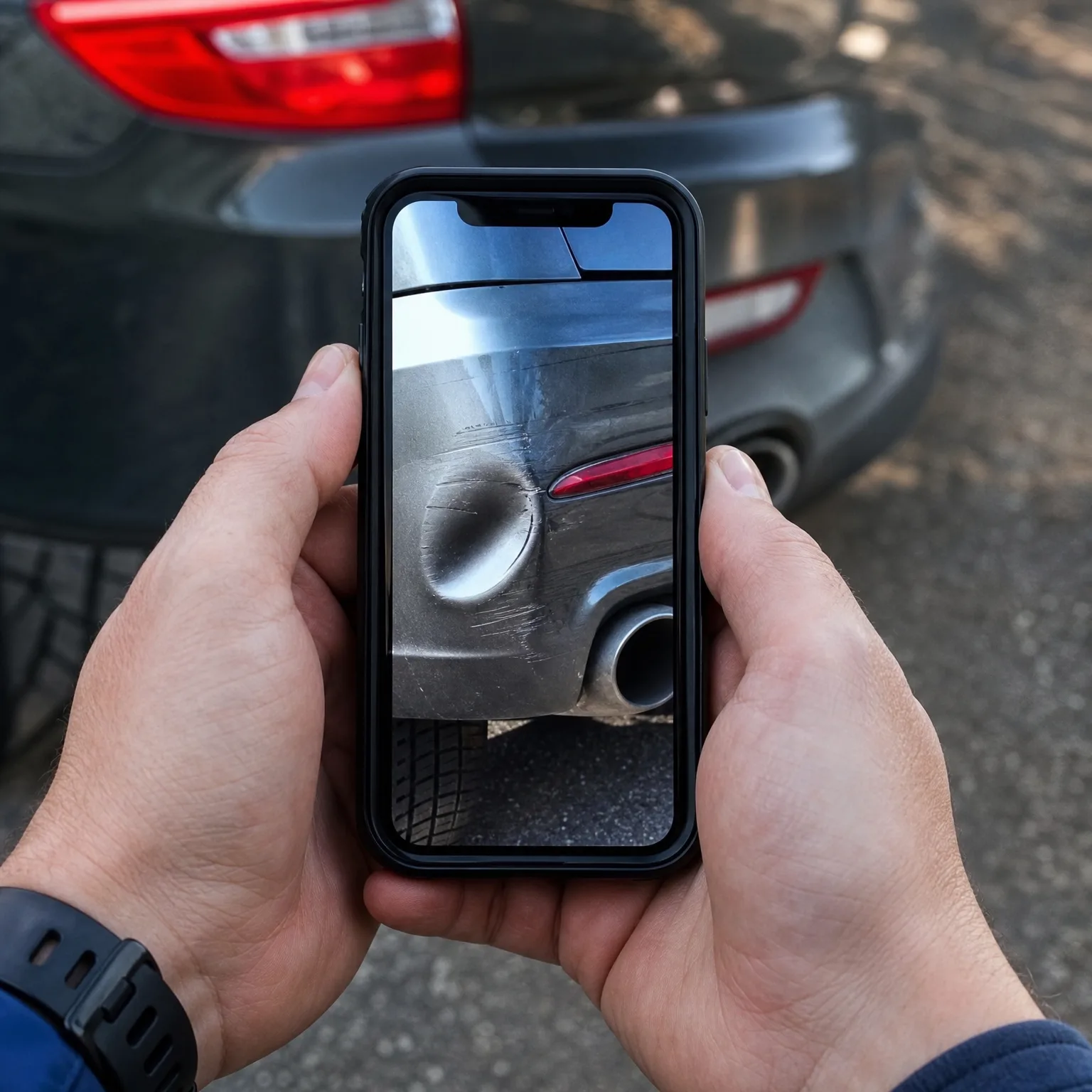
You come out of the grocery store and find a long dent in your rear door, paint scraped down to metal, no note, no witness. You didn't see it happen and the lot has no cameras pointed at that spot. You file a police report anyway, because the claim will ask for one, and you call your insurer the same day to start the process.
The adjuster asks for photos, the report number, and a repair estimate. Since there's no other driver to pursue, the claim runs through your own collision coverage, and you pay your deductible before the shop starts work. The repair gets done, your car looks normal again, and the only lasting effect is that this claim sits on your record for a while, which is the trade you made for getting the damage fixed instead of living with it.
Will a hit and run claim raise your rate even though it wasn't your fault?
Often yes, at least somewhat, because the claim still counts as a payout tied to your car, even with no at fault driver to bill. Insurers price based on how often you file, not just whose fault each incident was, so a claim like this can still nudge your rate at your next renewal.
How much it moves, if at all, depends on your insurer and your overall history. Some insurers forgive a first claim or weigh fault heavily and barely move the number. Others treat any paid claim the same way. Ask your insurer directly how this specific kind of claim is treated before you decide to file, especially if the damage is close to your deductible amount.

Now that you know collision coverage pays here, compare quotes to find the insurer that prices it best for you.
Filing the claim versus paying for the repair yourself
If you do
You file a police report and open a claim. Your insurer covers the repair cost above your deductible, your car gets fixed properly, and you're protected if the damage turns out worse than it looked, like hidden frame or suspension issues found once the shop opens things up.
If you don't
You pay out of pocket and skip the claim entirely. You avoid any chance of a rate increase, which matters most if the damage is minor or close to your deductible, but you're covering the full cost yourself and have no insurer involved if repairs turn out to cost more than expected.
What decides whether you're covered and what you'll pay
- Collision coverage required This type of damage falls under collision, not liability, since there's no other driver to bill. Check your policy now so you're not surprised later that you don't have it.
- Police report usually required Most insurers won't process this kind of claim without one. File a report right away, even if you think the driver won't be found.
- Your deductible applies You pay this amount before coverage kicks in, same as any collision claim. Compare it to the repair estimate before deciding whether filing is worth it.
- Uninsured property coverage Where available, this can sometimes apply instead of or alongside collision. Ask your insurer whether it exists in your state and how it changes your deductible.
- Claim history follows you Even no fault claims can affect future pricing and shopping around later. Ask how your insurer specifically treats this situation before you file.
The claim gets paid either way, so the real decision is whether filing beats paying yourself.