Does Homeowners Insurance Cover Car Damage From a Tree
Your car insurance pays for tree damage to your car, not your homeowners policy, as long as you carry comprehensive coverage.
What actually pays when a tree hits your car
- Car insurance, not home Comprehensive coverage on your auto policy pays for tree damage to your car. Homeowners insurance covers your house and belongings, not vehicles, even if the tree was yours.
- Comprehensive has to be active If you dropped comprehensive to save money, tree damage isn't covered at all. Check your declarations page now, before anything happens, so you know where you stand.
- Whose tree it was rarely matters Most insurers pay the claim regardless of who owned the tree. Fault matters more for liability between neighbors than for getting your own car fixed.
- A deductible applies You'll pay your comprehensive deductible before coverage kicks in. If repairs would cost close to that amount, filing may not be worth it.
- Garage parking lowers this risk A covered space means fewer tree claims over time, which can help your rate. Mention garage parking when you shop so insurers price it in.
What if the tree was my neighbor's and it fell on my car?
You still file with your own comprehensive coverage first. Your insurer pays for your car, handles the claim quickly, and then decides separately whether to pursue your neighbor's insurer to recover the cost.
This matters because proving negligence, like a tree your neighbor knew was dying and ignored, takes time, and you shouldn't wait on that process to get your car fixed. Your insurer has more leverage and experience chasing reimbursement than you do on your own.
If your insurer does recover costs from the neighbor's policy, you may get your deductible back too. That's not guaranteed, and it depends on how clear the fault is, but it's common enough that it's worth asking your adjuster about directly when you file.

Now you know which policy pays, so compare car insurance quotes to make sure your comprehensive coverage actually fits.

Whether to carry comprehensive coverage
If you do
A falling tree, hail, or a break-in gets covered after your deductible. You pay a bit more every period for that protection, but a damaged windshield or crushed roof doesn't turn into an out-of-pocket repair bill you weren't planning for.
If you don't
You save money on your policy each period, but any tree limb, flood, or vandalism damage is entirely on you. For an older car this might be a reasonable tradeoff, but for a newer car parked under trees, it's a real gap.
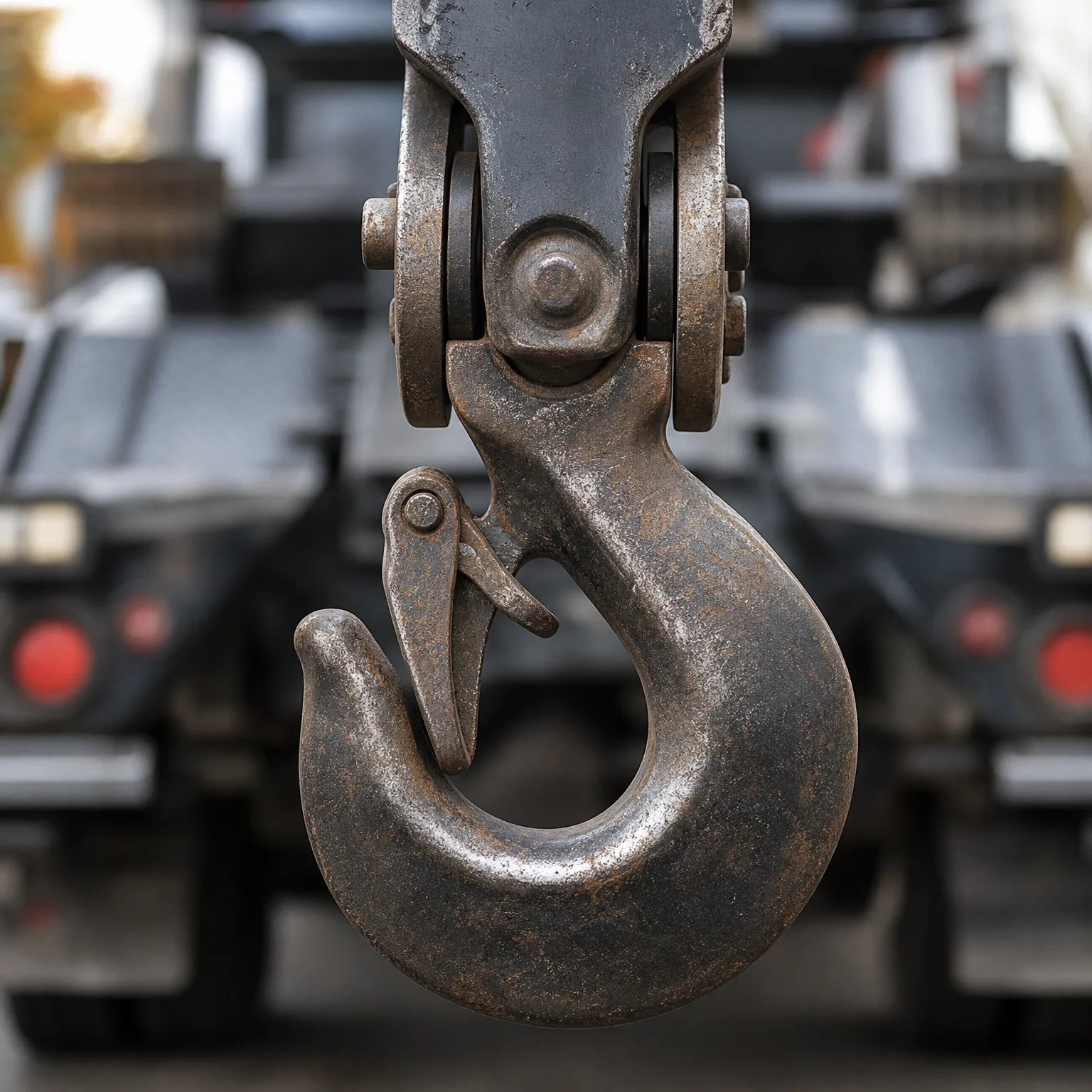
A storm drops a branch on a car parked in the driveway
A couple came home from a weekend trip to find a large branch across the hood and windshield of one of their cars, parked where it always sat in the driveway. The tree was in their own yard, old and already leaning before the storm. Their first instinct was to call their homeowners insurer since it happened on their property.
The homeowners insurer confirmed what's true everywhere: vehicle damage isn't something that policy covers, tree on their land or not. They called their auto insurer instead, filed under comprehensive coverage, and had an adjuster assess the damage within a few days. Because the repair cost was well above their deductible, filing made sense, and they had the windshield and hood repaired without touching their homeowners policy at all. The one thing they changed afterward was asking their auto insurer about garage parking, since one of their two cars could now fit in the garage and the other couldn't.
Your car's protection lives in your auto policy, not your home policy, no matter where the damage happens.