Does Hitting a Parked Car Count as an Accident
Yes, hitting a parked car is an accident, and it can affect your record even if no one was there to see it.
An accident is defined by the damage, not by who else is involved
Insurance treats an accident as any collision that causes damage, regardless of whether another car, a mailbox, or a parked vehicle was on the receiving end. The moment your car makes contact and causes harm, you have an insurable event. Whether you reported it or not doesn't change what happened, it only changes who knows about it.
What usually surprises new homeowners juggling a mortgage and a car payment is that this kind of accident is almost always your fault by default. There's no other driver to share blame with, so your insurer typically treats it as a chargeable accident, meaning it can affect your rate when you renew. The only coverage that pays for the other car's damage in this situation is your liability coverage, and the only coverage that pays for your own car is collision, if you carry it.
What varies is how your state and your specific insurer score this kind of accident. Some treat an at-fault accident with no injuries and lower damage differently than a multi-car crash. Some offer forgiveness for a first accident. You won't know which rules apply to you until you ask your insurer directly, since this isn't something you can assume based on what a friend's policy does.
The one exception is a true hit-and-run where you can't identify the other car's owner even after trying. That still counts as an accident, but it may be covered differently, sometimes under uninsured motorist property damage if your state and policy include it. Ask your insurer how that scenario is handled before you assume the usual rules apply.
Backing out of a grocery store spot and clipping a bumper
Say you're backing out of a parking spot and you clip the bumper of a parked car next to you. No one is around. You get out, check the damage, and it's a noticeable dent and some scraped paint, not catastrophic but not nothing either. You leave a note with your name and number, because that's the right thing to do and it also protects you legally in most states if you drove off without one.
The owner calls a few days later. You contact your insurer right away, because waiting doesn't help your case and some policies require prompt reporting. Your liability coverage pays for the other car's repair. Since your own car has a small scrape, you decide the repair cost doesn't justify a collision claim, so you pay for your own repair out of pocket. At renewal, you see a rate increase reflecting the at-fault accident, since it's the only one on your record. You ask your insurer about accident forgiveness for next time and learn whether that option exists for you, since it's not something you had considered before this happened.
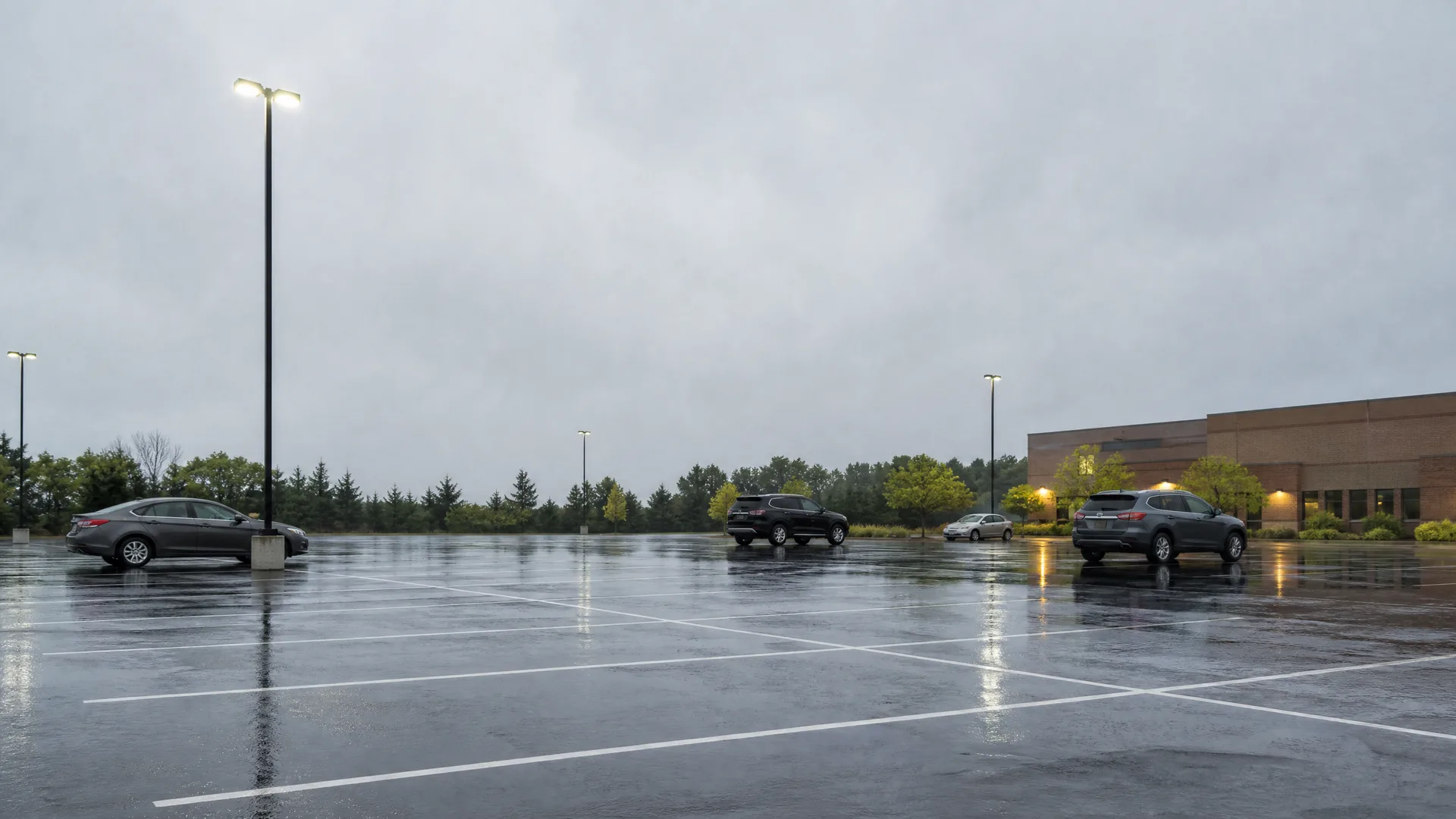
Compare quotes now that you know how an at-fault parking lot accident affects your coverage and your rate.
What to do once you know this counts as an accident
- Leave a note or report it Driving off without identifying yourself can create legal trouble beyond insurance. Leave your name and number, or notify the property or police if you can't find the owner.
- Check your collision coverage Collision pays for your own car's damage in an at-fault accident like this one. Confirm whether you have it and what your deductible is before deciding to file a claim.
- Expect a possible rate increase An at-fault accident, even a minor one, can raise your rate at renewal. Ask your insurer how long it typically stays on your record and whether it affects you differently now that you're bundling with a home policy.
- Ask about accident forgiveness Some insurers waive the rate impact for a first accident. Ask directly whether you qualify, since this isn't automatic and varies by insurer.
- Weigh small claims carefully If repair costs are close to your deductible, filing may not be worth it. Get a repair estimate first, then decide if a claim makes financial sense.
No other driver being involved doesn't mean no accident happened, just that it's the only name on it.
Will my rate go up if I pay for the damage myself without a claim?
Usually not, since insurers typically raise rates based on claims filed, not on accidents that never reach them. If you pay out of pocket and never report it, there's often nothing in your file to affect your rate. But if the other car's owner later files a claim against you, or if you later report it, it can still count. Check whether your state or insurer requires reporting accidents above a certain damage threshold regardless of whether you file a claim.
Does my home insurance bundle affect my car insurance rate after an accident?
Not directly, since each policy is usually priced on its own risk factors, but bundling can affect your overall discount. An at-fault accident raises your car insurance rate based on your driving record, not your home policy. However, if your bundled discount depends on keeping both policies with the same insurer, check whether an accident changes your eligibility for that discount specifically.
How long does an at-fault accident stay on my insurance record?
It depends on your state and your insurer, often ranging from a few years, but there's no universal rule. Some insurers weigh it less over time even before it disappears completely. Ask your insurer directly how long this particular accident will affect your pricing, since the answer differs from how long it stays on your official driving record with the state.