Does Hail Netting Work to Protect a Car
Hail netting works when it's thick, anchored well, and covers the whole car, but it's mitigation, not a guarantee against damage.
Why netting helps sometimes and fails other times
Hail netting works by absorbing and spreading the force of impact before it reaches the metal. A good net creates distance between the hailstone and the body panel, and that gap is what actually prevents a dent. Thin or loosely draped netting doesn't create enough of that gap, so stones can still punch through to the surface, especially with larger hail.
How well it performs also depends on how it's secured. If wind lifts the edges or the net shifts during a storm, you end up with bare spots exactly where you needed coverage most. Anchoring it tightly to the car, not just resting it on top, is what separates netting that works from netting that just looks like protection.
There are cases where even well installed netting won't be enough. Very large hail, long storms, or hail driven sideways by wind can get past any surface layer. Netting is built for the common case, moderate hail falling mostly straight down, not the rare severe event.
Insurers and manufacturers don't rate netting the same way everywhere, so what counts as acceptable protection for a claim or a discount can vary. Check with your insurer about whether using netting affects your coverage or claims process, since some treat it as a reasonable precaution and others don't factor it in at all.

The short version
Hail netting works when it fits snugly, has real thickness, and stays anchored through the storm. It reduces dents by creating space between the hailstone and the car, not by stopping impact entirely. If you're relying on it, check that it covers the whole car and stays secured, not just draped over it.

A driveway, a storm warning, and ten minutes to decide
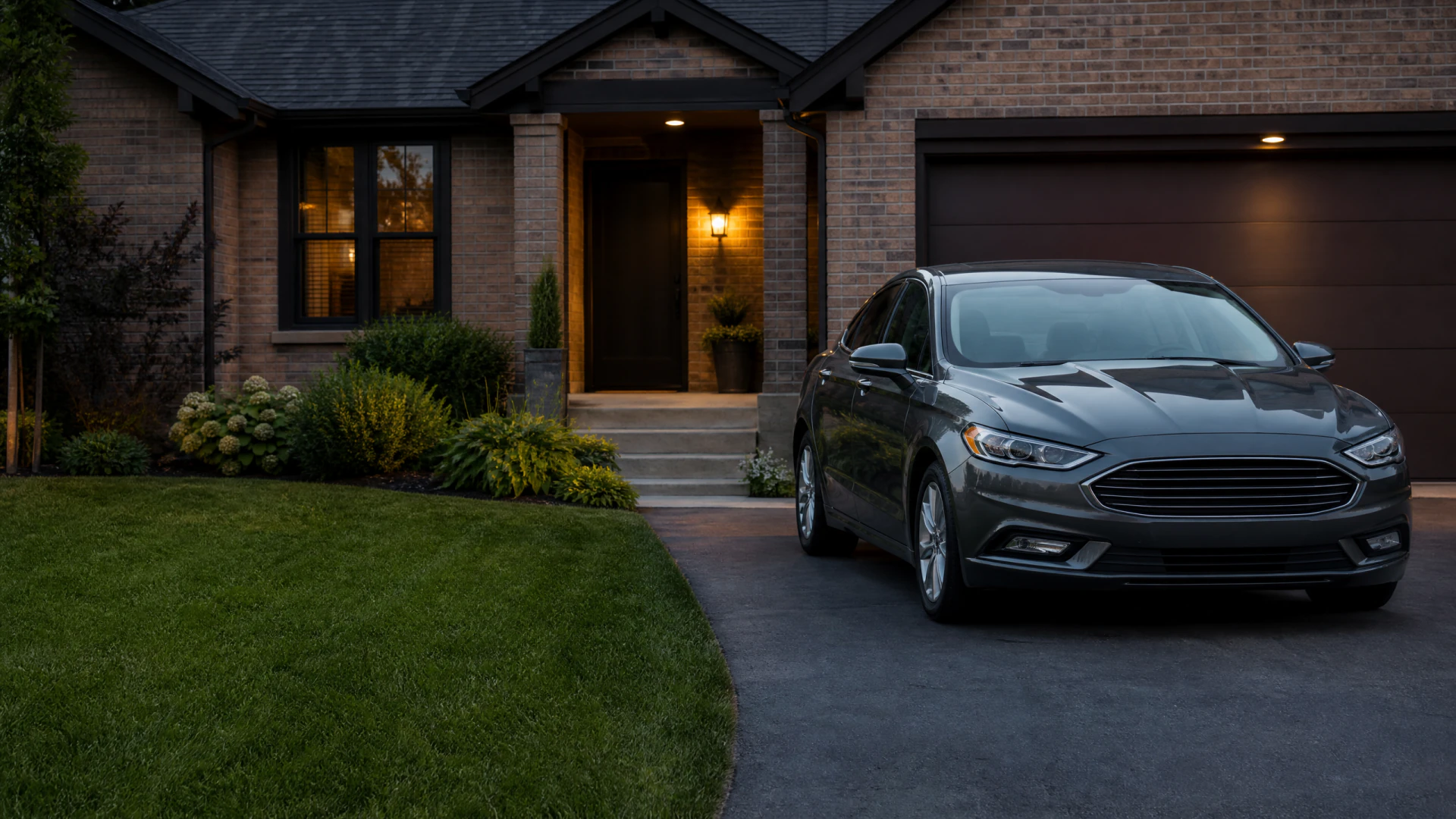
You get a severe weather alert an hour before a storm is expected, and your car is parked in the driveway with no garage available. You pull out a hail net you bought months ago and drape it over the hood, roof, and trunk, then realize the straps don't reach all the way under the car to anchor it. You use bungee cords through the wheel wells instead, pulling the net taut so wind can't lift it mid storm.
The hail turns out to be dime sized, driven slightly sideways by wind gusts. The net holds its shape because it's anchored, and the hood and roof come through with no new dents, though one corner near the bumper where the net had gone loose shows a small mark. You check with your insurer afterward just to understand how this affects any future claim, and learn they consider it a reasonable precaution but don't require proof it was used. The experience tells you the netting worked, but only because it stayed secured the entire time.
Once you know whether your car is protected enough, compare quotes to match your coverage to the risk you actually face.

Is hail netting worth it if I can park in a garage instead?
A garage is almost always better protection than netting, since it removes exposure entirely rather than reducing impact. If garage parking is reliably available during storm season, it's the stronger option and netting becomes a backup for the times you can't get under cover.
Netting earns its place when garage space isn't guaranteed, like with street parking, shared driveways, or travel. In those cases, having a net on hand means you're not left with zero protection when a storm hits unexpectedly. Think of netting as what you use when the better option isn't available, not as a replacement for it when it is.
Netting protects only what it covers and holds onto, so securing it matters more than the product itself.