Does Car Insurance Cover Hitting Your Garage Door
Yes, if you carry collision coverage, hitting your garage door is covered, minus your deductible.
What decides whether this claim pays out
- Collision coverage is required This only pays if you have collision coverage on the car that hit the door. Liability-only policies don't cover any damage to your own property, including your garage.
- Your deductible applies in full You pay out of pocket up to your deductible amount before coverage kicks in. If the damage costs less than your deductible, filing a claim won't get you anything.
- Home insurance won't help Homeowners insurance generally won't cover this because the damage was caused by a vehicle, which is a car insurance matter. Don't bother calling your home insurer first.
- Rates can rise after a payout A paid collision claim can affect your premium at renewal, even though the accident was on your own property. Weigh the repair cost against that possibility before you file.
- Check your policy wording Some policies define this kind of damage differently depending on the insurer. Read your declarations page or call your agent before you assume anything about your specific coverage.

The short version
If you have collision coverage, hitting your own garage door is covered after your deductible. Without collision coverage, you pay for the repair yourself. Before filing, compare the repair cost to your deductible and think about how a claim might affect your rate.
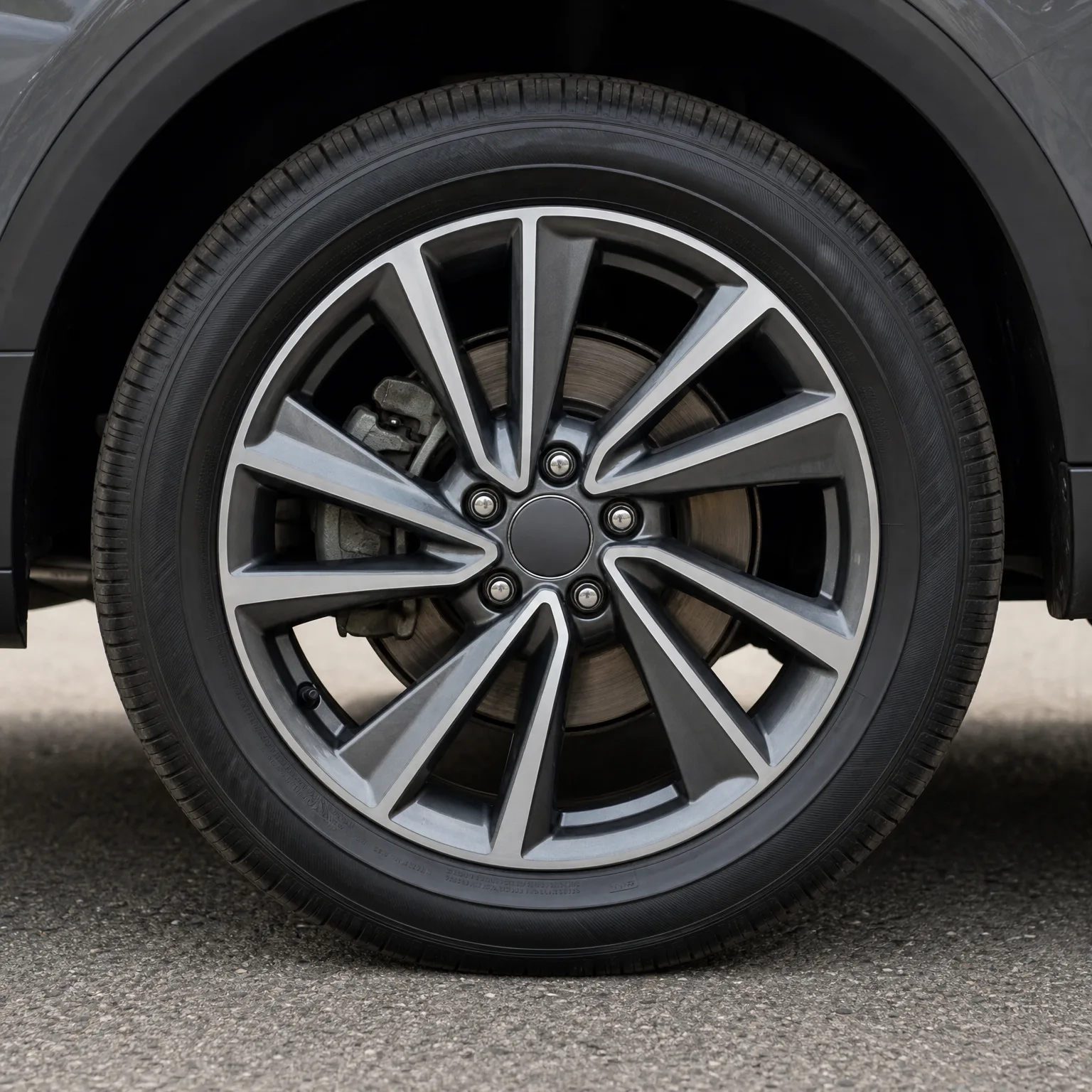
Backing out too fast on a rushed morning
You're running late, you throw the car in reverse before the garage door has fully opened, and the top corner of your bumper catches the bottom panel of the door. The door buckles, your bumper is scratched and dented, and now you're standing in the driveway deciding what to do about it.
You pull up your policy and see you added collision coverage when you financed the car, because the lender required it. You call your insurer, they confirm the garage door and the bumper repair both qualify, and they walk you through the deductible. The repair estimate comes in a bit above your deductible, so you decide to file. A few days later, an adjuster reviews the estimate, you pay your share, and the rest gets covered. The garage door and the bumper get fixed in the same week, and you make a mental note to wait for the door next time.
Now that you know what's covered, compare quotes to make sure your collision coverage and deductible actually fit you.

Whether to carry collision coverage at all
If you do
Accidents like this one get paid, minus your deductible, whether you hit a garage door, a pole, or another car. You're protected against the cost of your own mistakes behind the wheel, not just damage someone else causes. This costs more every month than liability-only coverage.
If you don't
Any damage you cause to your own car or property comes entirely out of your pocket. A scraped bumper or a dented garage door becomes a repair bill you handle yourself, with no claim to file. This saves you money upfront but leaves you exposed to ordinary accidents.
Should you even file a claim for something this small?
Not always. If the repair cost is close to or below your deductible, filing gets you little or nothing back, and you've reported a claim that can still show up when your insurer reviews your history at renewal. It's worth getting a repair estimate first before you call your insurer at all.
If the damage is clearly more than your deductible, filing usually makes sense, since that's exactly what the coverage is for. But if you've had other recent claims, or you're close to a renewal date, think about paying out of pocket instead to keep your record clean. There's no universal cutoff here, so weigh the repair cost, your deductible, and your claims history together before deciding.