Does Car Insurance Cover a Flooded Engine
A flooded engine is covered only if you carry comprehensive coverage, not just liability or collision.
Comprehensive is the only coverage built for water damage
Car insurance splits into categories based on what caused the damage, not how bad the damage is. Liability only pays for harm you cause to someone else. Collision pays when your car hits something or flips, a controlled kind of accident. Flooding fits neither of those, so it falls into comprehensive, the category that covers damage from events outside your control like weather, fire, falling objects and water.
If comprehensive is on your policy, a flooded engine is treated like any other covered loss. The insurer sends an adjuster or uses a shop to assess whether the engine can be repaired or whether the car is a total loss, since water damage often ruins more than it first appears to, including electrical systems and wiring that sit lower in the car than the engine itself.
If comprehensive isn't on your policy, the flood damage isn't covered at all, regardless of how the water got there or how new the car is. This is where people get caught off guard after a move, because comprehensive is often dropped on older cars to save money, or never added if the car was bought used without a loan requiring it.
There are edge cases worth checking. Some policies treat flood differently if the water came from a specific named event like a storm versus everyday rain pooling in a low spot, so read your declarations page or ask your insurer directly. Also check whether your policy requires the car to be parked somewhere specific, like inside a garage, during severe weather, since a few policies tie flood coverage to reasonable precautions.
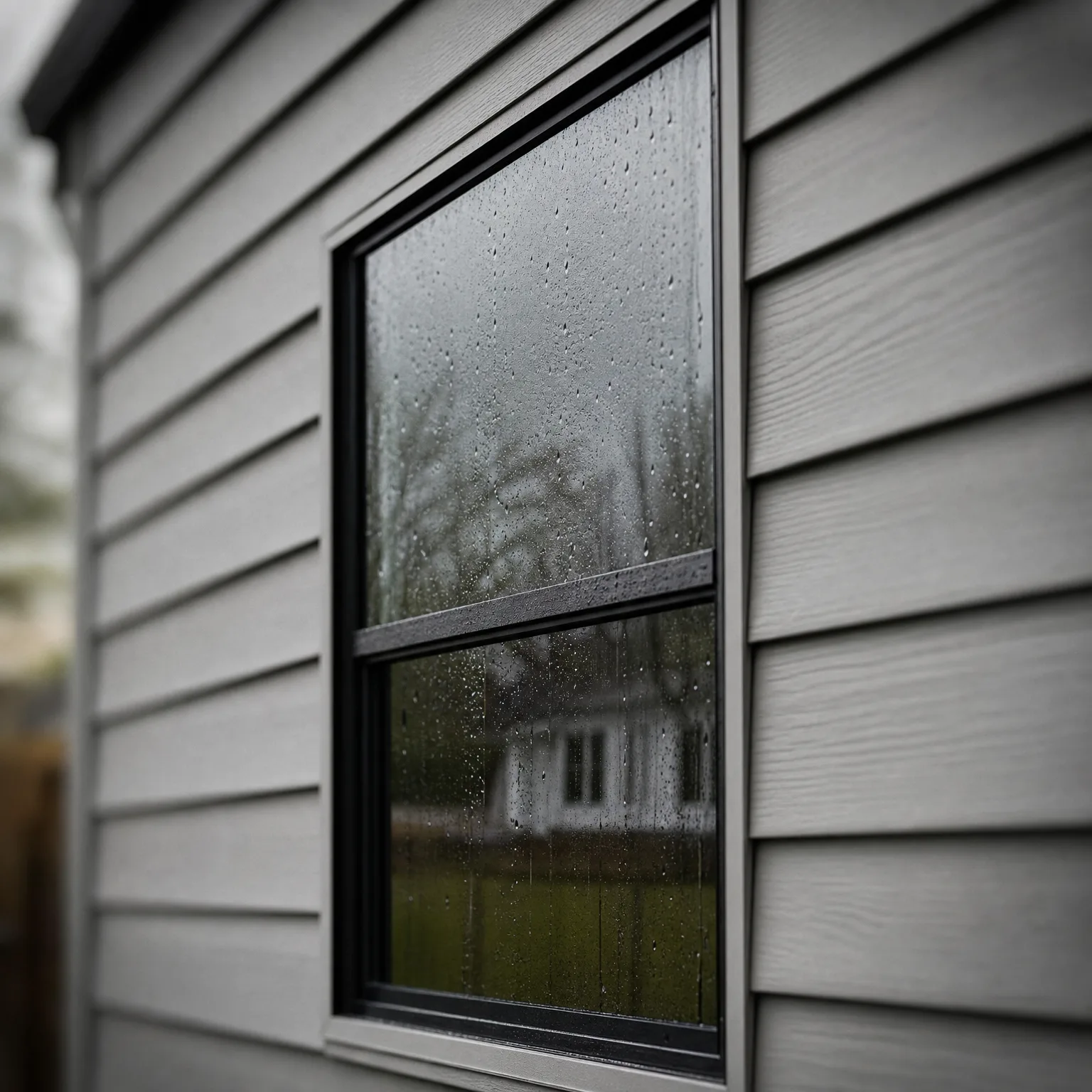
A flooded engine after an unexpected storm
Say you park on the street overnight because your new place doesn't have garage space yet, and a storm sends water higher than usual, right into the engine bay. You call a tow truck in the morning and the shop tells you the engine won't start and may be damaged beyond repair. Your first move is to check your policy for comprehensive coverage before you authorize any repair work, since paying out of pocket first can complicate a claim.
You find comprehensive listed on your policy, so you file a claim and the insurer sends someone to inspect the car. They determine the engine is a total loss because water got into the cylinders, and they also flag corrosion risk in the wiring. The payout is based on the car's value before the flood, minus your deductible, and it comes through faster than you expected because flood damage is usually straightforward to document with tow records and shop estimates. The experience convinces you to keep comprehensive going forward, especially since street parking is now part of your routine.

The coverage that saves you here isn't the one most people think about until they need it.
Now that you know what covers flood damage, compare quotes with the right comprehensive coverage in mind.
Will my rate go up if I file a flood damage claim?
It can, but not always, and not as sharply as an at-fault accident claim usually does. Comprehensive claims are generally viewed as less predictive of future risk since you didn't cause the flood, so insurers often treat them more gently than collision claims.
That said, a pattern of claims, even comprehensive ones, can still affect your rate at renewal, and the exact impact depends on your insurer's rules, which vary. Some insurers offer accident forgiveness style protection that extends to comprehensive claims too, so it's worth asking before you file whether this particular claim would count against you, especially if the repair cost is close to your deductible anyway.

Does comprehensive cover a flooded car if I never turned it on?
Yes, comprehensive doesn't require the engine to have been running when the water got in. The damage is the damage, whether it happened while parked, driving through standing water, or sitting in a flooded garage. What matters is documenting that the water caused the damage, so keep photos and avoid starting the engine yourself, since doing so can worsen damage and complicate the claim.
Should I add comprehensive coverage now that I live somewhere flood prone?
If your new area floods more than where you lived before, it's worth adding comprehensive if you dropped it. Check your state's typical flood patterns and ask your insurer whether your specific zip code affects the price, since comprehensive pricing often reflects local risk more than liability does.
What should I do right after my car floods before calling insurance?
Don't start the engine, take photos of the water level and damage, and arrange a tow instead of driving it. Starting a flooded engine can cause more damage and may affect how the claim is evaluated. Call your insurer once the car is somewhere safe, and keep any tow or repair estimates for the claim.