Does Car Insurance Change Based on Location
Yes, your address is one of the biggest factors in your rate, because it shapes your real risk of claims.

What your new address actually changes
- Your rate itself Insurers price by zip code based on local claim patterns like theft, accidents and weather. Update your address right away so your rate reflects where you actually live.
- Required coverage minimums States set their own minimum coverage rules, and some require extra coverage types others don't. Check your new state's requirements so you're not under or over insured.
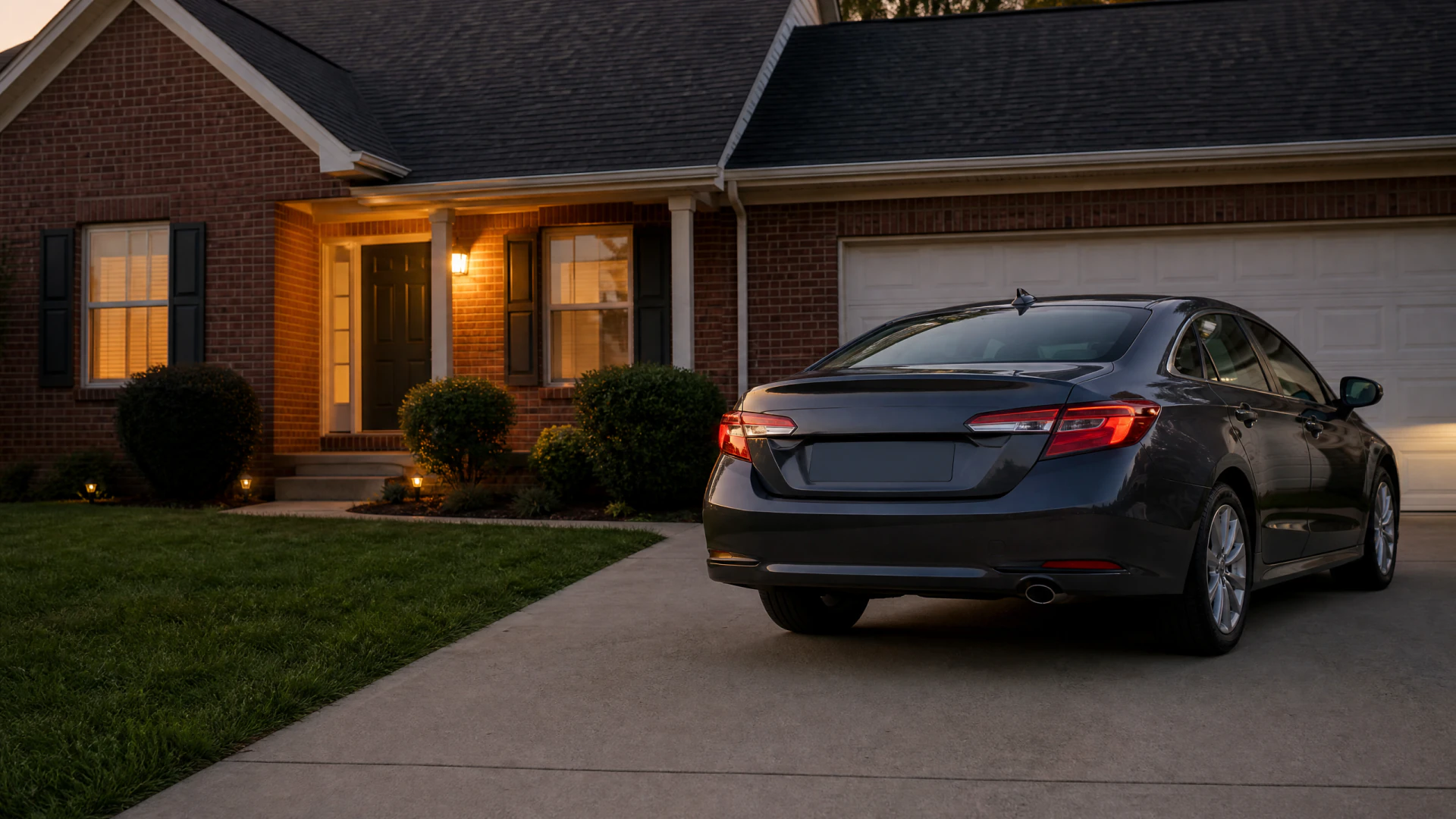
- Where you park matters A garage or driveway usually counts as safer than street parking in the eyes of an insurer. Tell your insurer where the car sleeps at night since it can lower your rate.
- Your commute and mileage A new commute means new miles driven and new roads, which insurers factor into risk. Update your estimated annual mileage so your quote matches your real driving.
- Bundling with your home policy Combining home and auto with the same insurer often unlocks a discount on both. Ask for a bundled quote, but compare it against separate policies before deciding.

A couple moves across town and relooks at everything
A couple bought their first house and moved from an apartment with assigned street parking to a house with an attached garage. Their commute got longer, but they were driving on quieter suburban roads instead of through downtown traffic. They called their insurer to update the address, mentioned the garage, and asked what their new commute would do to the rate.
The insurer recalculated using the new zip code, the garage parking, and the updated mileage. The garage and the calmer roads worked in their favor, even though the state they moved within had slightly different minimum coverage rules that required one more coverage type than before. They also asked for a bundled quote with their new homeowners policy and compared it side by side with keeping the policies separate. In the end they switched insurers entirely, because the bundled price elsewhere beat what their current insurer could offer, and they came away with a policy that actually matched their new home and driving habits.
The rate you're paying was priced for your old life, not your new one, until you update it.
Once you know what your new address and driveway should change, compare quotes to see what that's actually worth.
Why location moves the price so much
Insurance is priced on risk, and risk is local. Where you live determines how likely you are to file a claim, whether that's from theft, vandalism, weather damage, or simply the density of traffic around you. Insurers track claims data by area over time, so two drivers with identical records and identical cars can get different rates if they live in different places.
This is also why coverage requirements themselves differ by state. Some states require more liability coverage than others, and some require additional coverage types that aren't universal. When you move across a state line, it isn't just your rate that can change, it's what you're legally required to carry. Check your new state's minimums directly rather than assuming your old policy already complies.
Parking and commute matter because they're proxies for exposure. A car parked in a garage overnight is less exposed to weather, theft, and passing traffic than one parked on the street. A longer commute on quiet roads can carry less risk than a short commute through heavy intersections, even though it covers more distance. Insurers weigh these specifics, not just the broad fact that you moved.
Bundling works differently. It isn't about risk at all, it's a pricing incentive insurers use to keep more of your business under one roof. That's why it's worth asking about, but it won't always beat the best separate rates you could find elsewhere, which is why comparing both matters more than assuming the bundle wins automatically.

Will my rate go up or down after moving?
It depends entirely on the specifics of where you're going, not just the fact that you moved. A move from a dense city to a quieter suburb with a garage often lowers your rate, while a move into an area with higher claim rates or no off-street parking can raise it, even if the new place feels safer to you personally.
The only way to know is to get your address updated and request a fresh quote, because guessing based on how a neighborhood feels isn't reliable. Insurers are working from claims data you don't have access to, so the honest answer is to let the new quote tell you, then compare it against other insurers before you accept it as final.