Does Canceling Car Insurance Hurt Credit
No, canceling a car insurance policy does not affect your credit score, since insurers don't report cancellations to credit bureaus.
Your credit score tracks debt, not insurance choices
Credit scores are built from how you handle borrowed money, things like credit cards, loans and payment history. Car insurance is not a loan, so canceling a policy, switching insurers or going without coverage for a while never shows up on a credit report. The credit bureaus simply don't receive that information from insurance companies.
What can hurt you is the money side of canceling, not the cancellation itself. If you cancel mid-term and owe a final balance, and that balance goes unpaid long enough, the insurer can send it to collections. A collections account does hit your credit report and can pull your score down. That's the actual risk, and it's avoidable.
There's a separate issue that feels similar but isn't credit at all. Insurers use something called an insurance score in some states, which can factor in your credit history when they calculate your premium. That score affects what you pay for coverage, not your actual credit score. Canceling a policy doesn't change that insurance score either, but a lapse in coverage can make insurers see you as higher risk the next time you apply, which shows up as a higher quote, not a credit ding.
So the two things to keep separate are your credit score, which cancellation doesn't touch, and your future insurance costs, which a lapse or an unpaid balance absolutely can touch. Handle the final bill and the timing of your new policy, and credit is a non-issue.
What actually matters when you cancel
- Settle the final bill If you cancel before the term ends, you may owe a prorated amount. Pay it promptly so it never reaches collections and never touches your credit report.
- Avoid a coverage gap A lapse between canceling old coverage and starting new coverage can raise future premiums. Line up your new policy's start date before you cancel the old one.
- Check for a refund Canceling mid-term often means money owed back to you, not by you. Ask the insurer directly rather than assuming you'll automatically receive it.
- Know it's not a loan Insurance isn't reported to credit bureaus the way credit cards or loans are. Canceling, switching or even having a brief lapse won't appear on your credit report.
- Credit vs insurance score Insurers may use credit-based insurance scores to set your rate in some states. That's about pricing, not your credit report, so check your state's rules if unsure.
Switching insurers right after buying a home
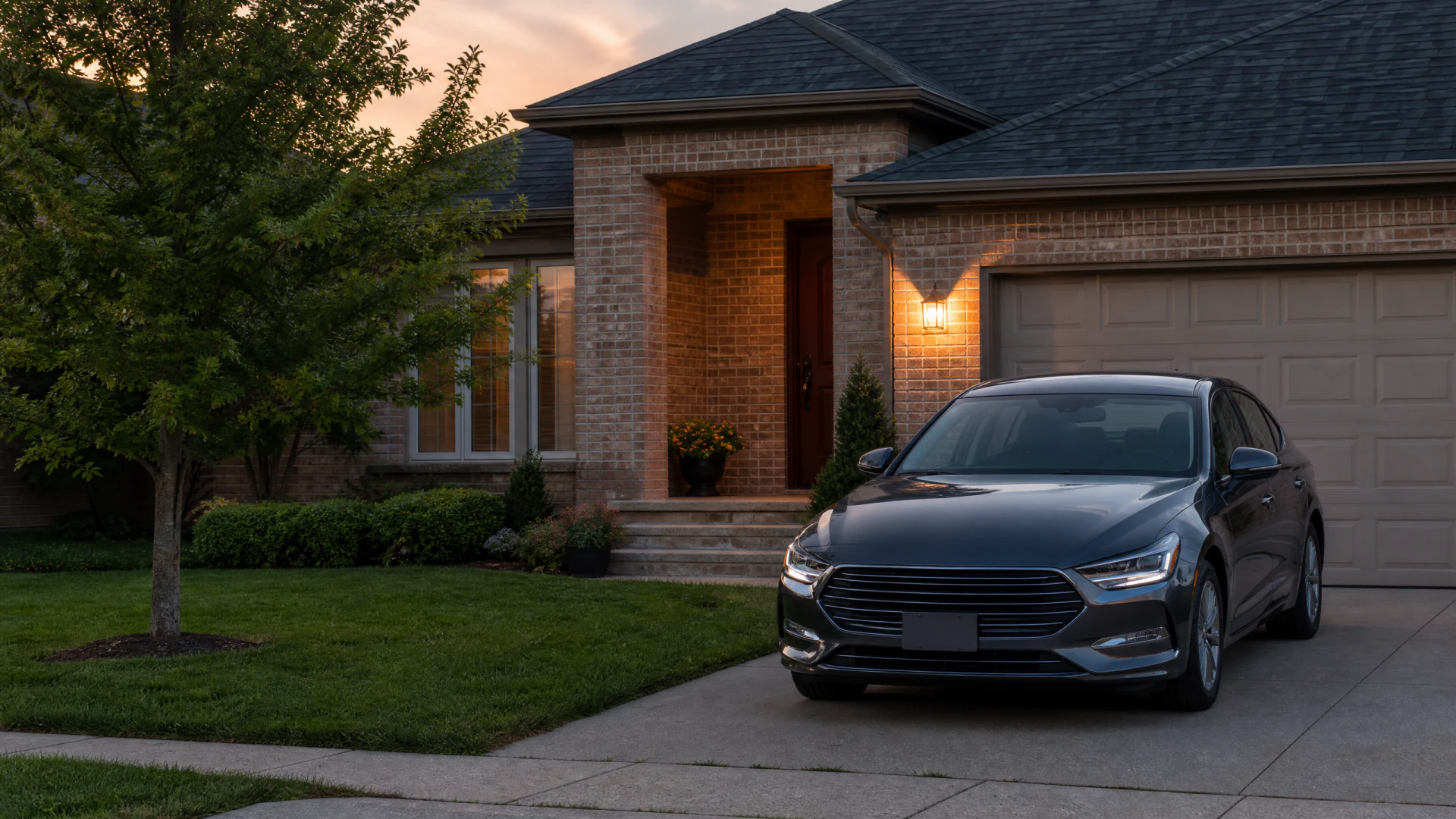
A newly married couple bundled their home and auto insurance with a new company a few weeks after closing on their first house. They canceled their old auto policy the same day the new one started, so there was no gap in coverage. The old insurer sent a final bill for a few days of overlap, which they paid within the week.
Because they paid it right away and never let a balance sit, nothing was reported anywhere and their credit score never moved. The only real effect of switching was on their premium, which dropped slightly because of the bundle discount and the new garage parking. A few months later they pulled their credit report out of curiosity and found no trace of the old policy at all, confirming that the whole process had been a financial decision, not a credit one.
Canceling won't touch your credit, so compare quotes freely and switch to whatever saves you money.

Canceling your old policy before the new one starts
If you do
If you cancel before your new policy begins, you create a coverage gap. Insurers see that gap when you apply next time and may charge you more, treating you as higher risk. Your credit score stays untouched, but your premium likely won't.
If you don't
If you keep the old policy active until the new one starts, there's no gap and no red flag for future insurers. You might pay briefly for overlapping coverage, but it protects your driving record from looking risky and keeps your rates lower long term.
Will a lapse in coverage show up as a credit problem?
No, a coverage lapse is not a credit problem. It never appears on a credit report and never factors into your credit score, no matter how long the gap lasts or how it happened.
What a lapse does affect is how insurers view you when you apply for a new policy. Many ask directly whether you've had continuous coverage, and a gap can push your premium higher because insurers treat it as a sign of risk. That's an insurance pricing issue, playing out entirely within the insurance world and never touching your actual credit history. If you're worried about cost, the fix is avoiding gaps when you switch, not worrying about your credit score.