Do I Need to Tell My Car Insurance if I Move House
Yes, you're required to tell your car insurance company when you move, and doing it quickly protects both your coverage and your wallet.
Your address is a core part of how your risk gets priced
Car insurance pricing starts with where the car sleeps at night. Your zip code tells an insurer about local accident rates, theft rates, weather, and even how expensive repairs and medical care tend to be in that area. When you move, all of that changes, even if you're only a few towns over. Your policy was built on your old address, so it's no longer an accurate picture of your risk.
This is also a legal and contractual matter, not just a pricing one. Your policy is an agreement based on the information you gave at signup, and your address is one of the central facts in that agreement. Most insurers require you to report address changes within a set window, and that window varies by company and sometimes by state, so check your policy documents or your insurer's site for the exact timeframe.
What happens to your rate depends on the specifics. Moving somewhere with less traffic, lower theft rates, or a garage instead of street parking can lower your premium. Moving to a denser area or somewhere with higher claims history can raise it. Neither outcome is a reason to delay telling them. The insurer is going to find out eventually, whether through a claim, a renewal check, or a routine data match, and catching it themselves looks worse for you than reporting it yourself.
There are edge cases. If you're moving temporarily, like a short work assignment, ask your insurer how they want that handled, since some treat temporary and permanent address changes differently. If you're moving to a different state, that's a bigger shift, since coverage requirements and minimums differ by state, and your policy may need to be rewritten entirely rather than just updated.
A couple who waited three weeks to update their new address
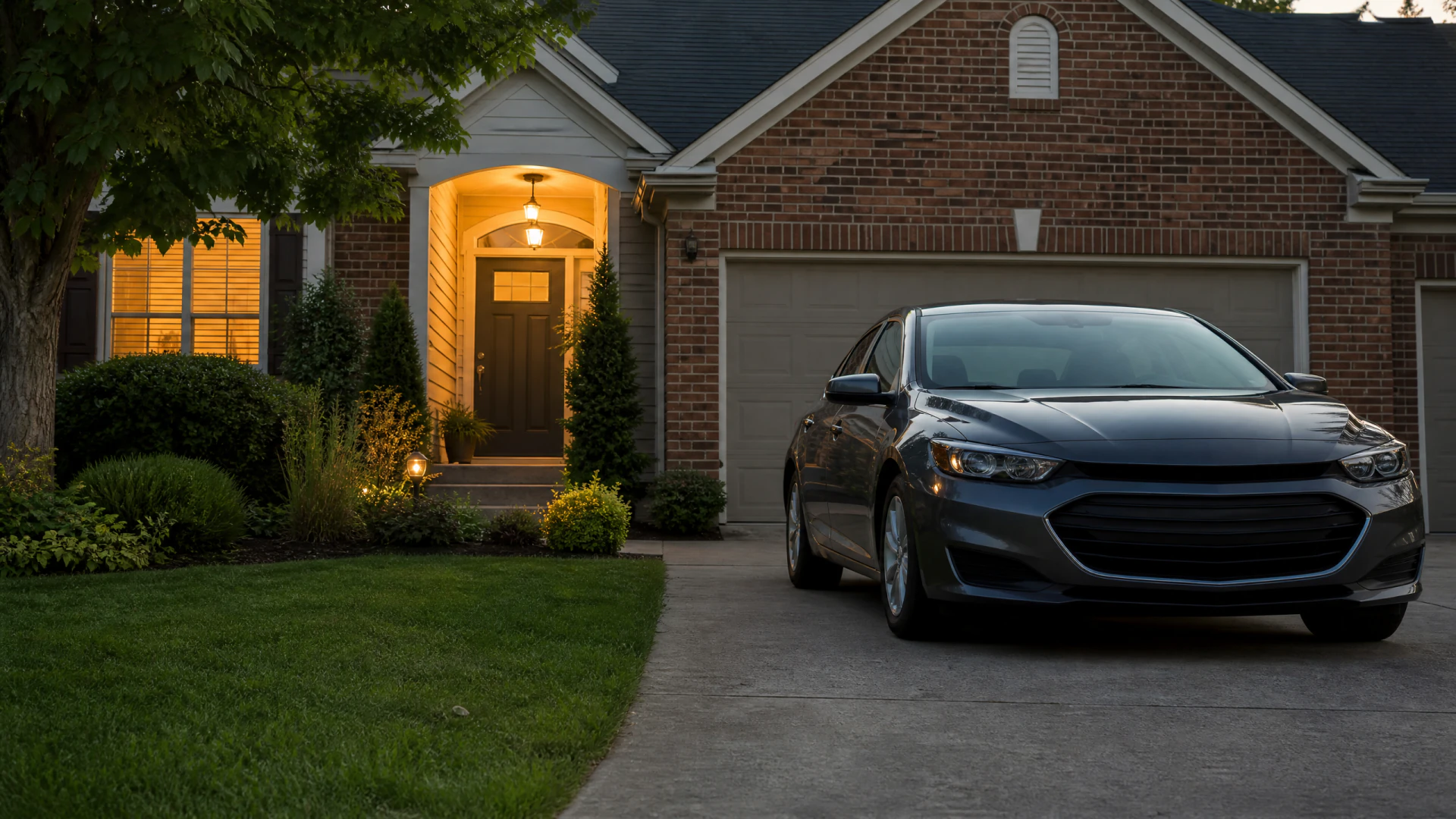
A couple bought a house about twenty minutes outside the city, a quieter area with a two-car garage where they'd previously parked on the street. They were buried in moving logistics, lender paperwork, and setting up the homeowners policy their lender required, so updating the car insurance address slipped down the list. They figured it could wait until renewal.
Three weeks in, one of them was in a minor fender bender near the new house. The claim went through fine, but the adjuster asked why the address on file didn't match where the car was actually kept, and it became a slower, more scrutinized process than it needed to be. They called their insurer right after, updated the address, and found their rate actually dropped slightly thanks to the garage and the lower-traffic area. They also asked about combining the policies and got a small discount for that. The lesson they took wasn't about the money, it was about how much simpler the claim would have gone if the address had already matched.
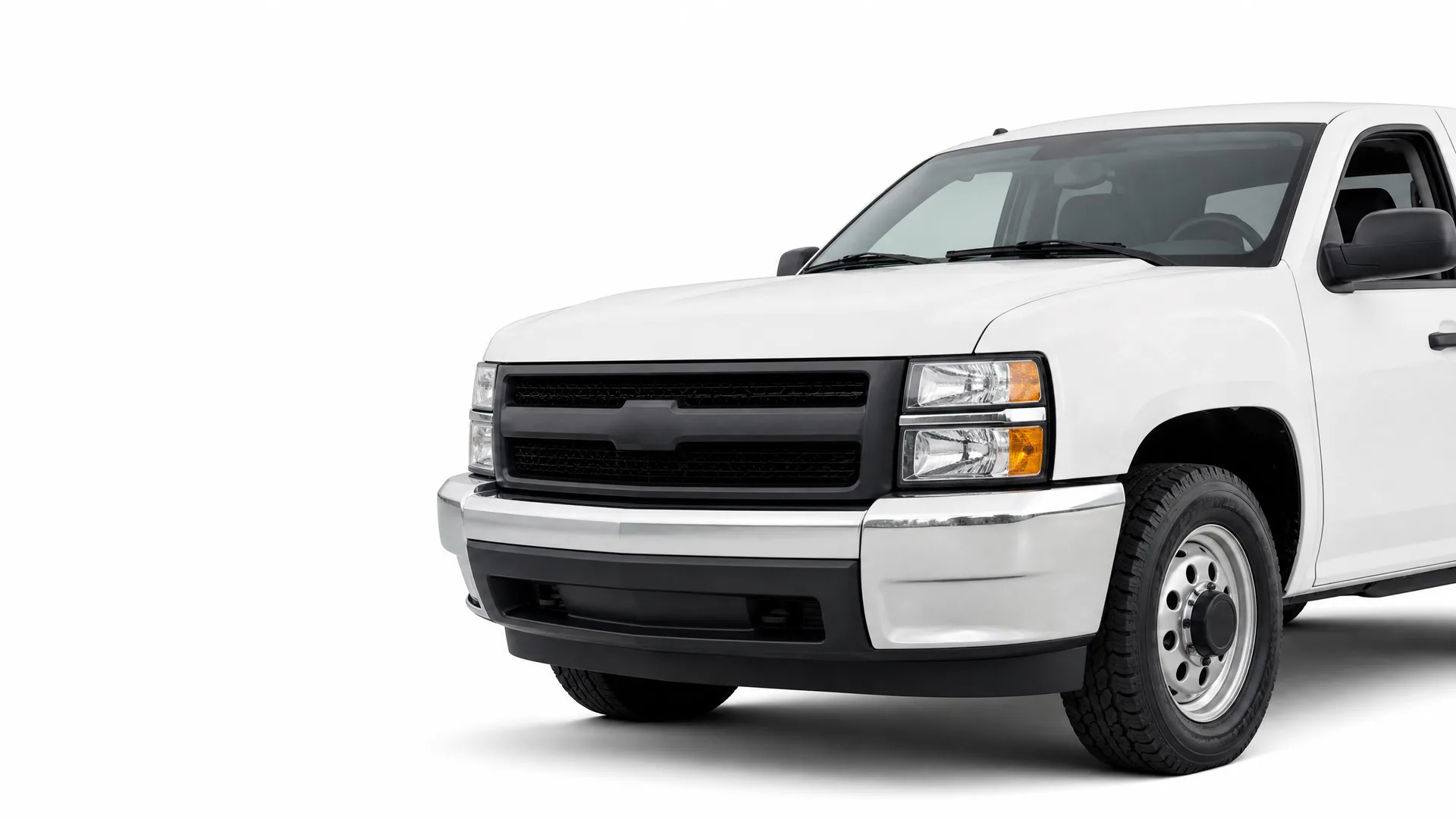
Your insurer prices risk off your address, so an outdated one means paying for a place you no longer live.
Once your address matches where you actually live, compare quotes to see if you're still getting the right price.

Updating your address now versus waiting until renewal
If you do
You give the insurer your real risk picture right away. Your rate adjusts to reflect your new area, garage, or commute, and if you ever file a claim, there's no mismatch between your address on file and where the incident happened. It's a five-minute call or online update, and it's done.
If you don't
Your policy still technically covers you, but you're carrying a mismatch between what you reported and where you actually live. If you file a claim, the insurer may investigate the discrepancy, slowing things down, or in rare cases question the claim. You could be overpaying or underpaying without knowing it until renewal.
Will my car insurance go up or down if I move house?
It depends entirely on where you're moving to and from, so there's no universal answer. Insurers weigh local accident rates, theft rates, and even weather patterns for the new area. A move to a quieter neighborhood with off-street parking often lowers your rate, while a move to a denser area can raise it. The only way to know for sure is to tell your insurer the new address and ask them to recalculate, or get a fresh quote once you've settled in.
Do I need a new car insurance policy if I move to a different state?
Often yes, because coverage minimums and rules vary by state, so your current policy may not meet the new state's requirements. Some insurers operate across state lines and can simply transfer and adjust your policy, while others don't offer coverage in every state, meaning you'd need a new provider entirely. Check with your current insurer first to see if they cover your new state, and compare that against a few other quotes before deciding.
What happens if I don't update my address and get in an accident?
Your claim will likely still be processed, but the mismatch between your reported address and where you actually live can slow things down or trigger extra scrutiny. In some cases, if the insurer finds the gap was significant or seems intentional, it can affect how the claim is handled. The safest approach is always to update your address as soon as you move, so this situation never comes up in the first place.