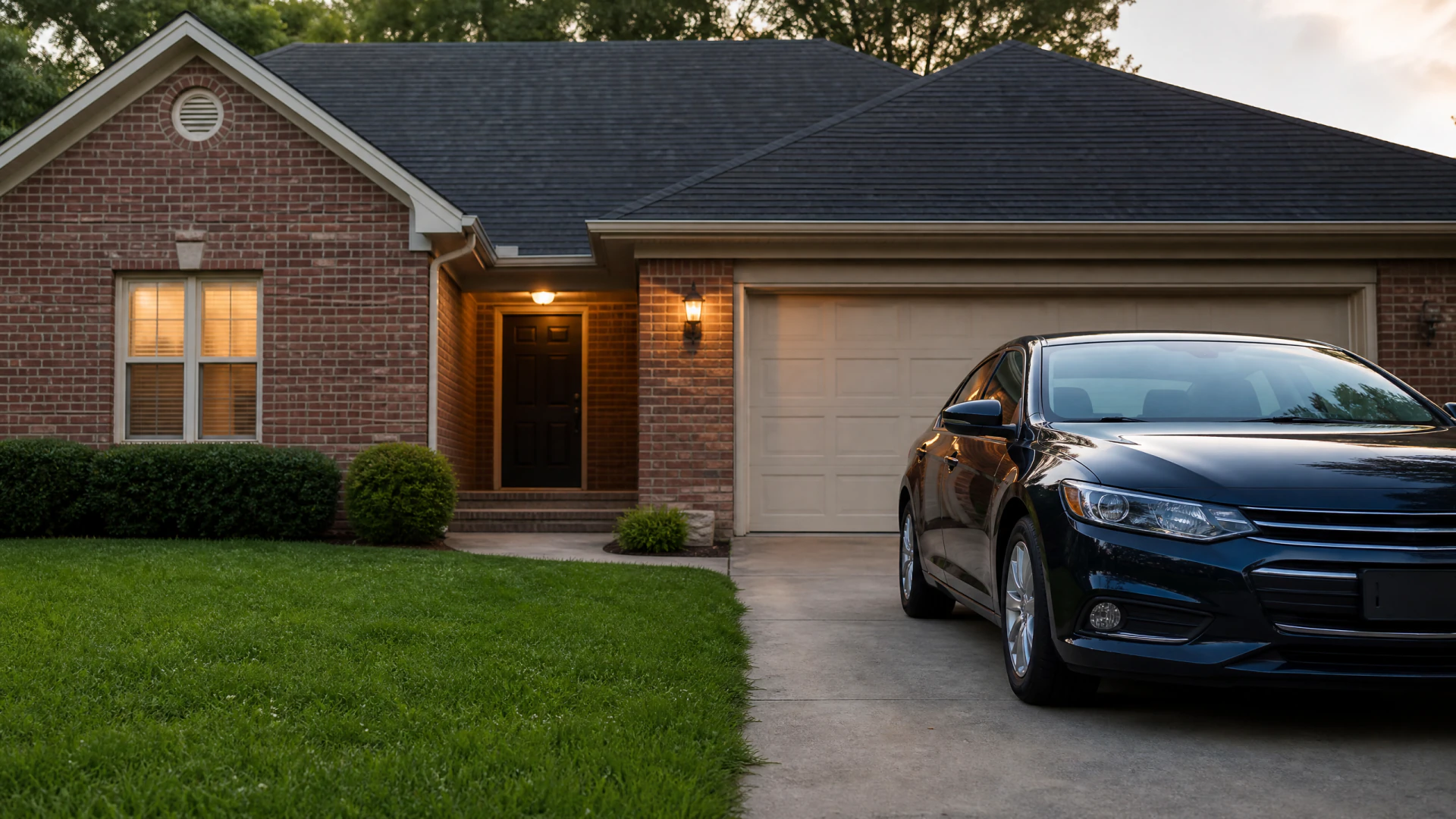
Do I Have to Pay a Deductible if My Car Is Vandalized
If you carry comprehensive coverage, it pays for vandalism damage, but you pay your deductible amount before it kicks in.

A Keyed Car in a New Driveway
One of you wakes up to deep scratches down both doors, the kind of damage that happened overnight in the new driveway, probably a neighborhood kid or a dispute nobody saw coming. The car is drivable, but the paint job will cost real money to fix. You pull up the policy to check what's covered.
Comprehensive coverage is what applies here, since vandalism counts as damage from something other than a collision. You call to get a repair estimate, then compare it against your deductible amount, which you'd set when you first bought the policy years ago. The estimate comes in well above the deductible, so you file the claim, pay the deductible directly to the shop, and the insurer covers the rest. The repair takes a few days, and the only lasting change is a slightly closer look at your rates at your next renewal.
Will Filing a Vandalism Claim Raise My Rates?
It can, but not the way an at-fault accident does. Comprehensive claims, which include vandalism, theft, and weather damage, are usually treated as not your fault. That means they often carry a smaller rate impact than a collision claim where you caused the damage.
But smaller isn't the same as none. Some insurers track how many comprehensive claims you file over time, and filing often enough can still nudge your rate at renewal, especially if it happens more than once in your new neighborhood. This varies by insurer, so ask directly how comprehensive claims are weighed before you file, particularly if the damage is close to your deductible amount anyway.

Compare quotes now to find a comprehensive deductible that fits your new address and budget.

Should You File the Vandalism Claim
If you do
You pay your deductible, then the insurer covers the rest of the repair. The damage gets fixed properly and quickly, and the claim gets logged against your policy. It may be noted at your next renewal, though comprehensive claims typically carry less weight than at-fault accidents.
If you don't
You pay the full repair cost yourself, or you leave the damage as is. Nothing gets logged against your policy, so your claims history stays clean. If the damage is close to your deductible amount, this often ends up cheaper in the long run anyway.

What Actually Determines Your Deductible Payout
- Comprehensive coverage required Vandalism falls under comprehensive, not collision, so check that you actually carry it. Some older policies on paid-off cars drop comprehensive entirely to save money.
- Deductible amount you chose You picked this number when you set up the policy, and it applies no matter who vandalized the car. Look it up now so you're not guessing after the damage happens.
- Repair cost versus deductible If repairs cost less than your deductible, filing a claim gets you nothing and still goes on record. Get an estimate before deciding whether to file.
- New zip code, new risk Moving can change how often this happens and how your insurer prices comprehensive coverage going forward. Ask whether your new address changes your comprehensive premium or deductible options.
- Police report sometimes required Some insurers require a police report before paying a vandalism claim. Check this before you file so you're not caught without one.
Why the Deductible Still Applies
Insurance is built around shared risk, and the deductible is the part of that risk you agreed to carry yourself. When you chose your comprehensive deductible, you were setting the line where your responsibility ends and the insurer's begins. Vandalism doesn't change that line just because you didn't cause it or see it coming.
The deductible exists partly to keep small claims out of the system. If insurers paid out in full for every scratch or broken mirror, premiums for everyone would rise to cover the administrative cost of processing all those tiny claims. Your deductible is the filter that keeps the coverage focused on damage big enough to matter financially.
This is true across insurers and states, but what varies is how the deductible interacts with other coverage. Some policies let you set a different deductible for comprehensive than for collision, which matters a lot for vandalism specifically since it only falls under comprehensive. If you share one deductible across both, you're not getting the flexibility that a separate comprehensive deductible would give you, especially somewhere new where the risk profile just changed.
The exception worth knowing is glass damage, which some states or insurers treat differently, sometimes with no deductible at all or a separate lower one. If vandalism involved broken windows, check your policy specifically for how glass is handled before assuming your standard deductible applies.