Do Cars Last Longer if Parked in the Garage
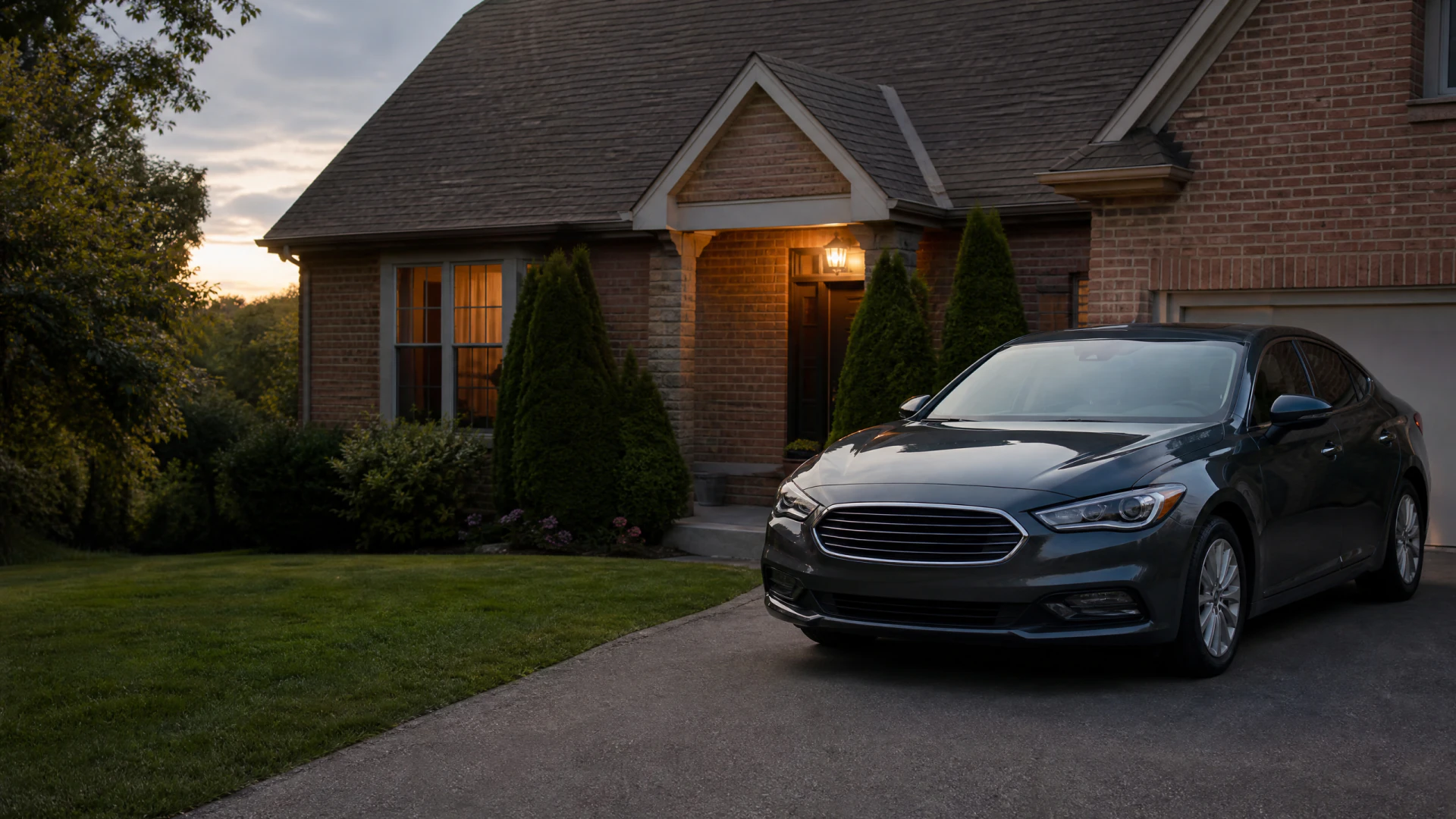
Yes, a garaged car ages slower and often costs less to insure, because it's shielded from weather and the risks of street parking.

What changes when a car sleeps indoors
- Paint and body hold up Sun, rain and temperature swings break down paint and rubber seals over time. A garage slows that, so the car looks newer longer and rust shows up later, if at all.
- Theft and vandalism risk drops A car behind a closed door is a harder target than one parked at the curb. Tell your insurer where the car is kept, since this can lower your comprehensive cost.
- Weather damage becomes rare Hail, falling branches and flooding mostly hit cars parked outside. If you're choosing between a garage spot and a driveway, the garage removes this risk almost entirely.
- Battery and tires last longer Extreme heat and cold wear down batteries and tire rubber faster. A garage keeps temperatures steadier, which means fewer surprise failures and fewer replacements.
- Your address still matters most Where you live drives your rate more than where you park within that address. A garage helps at the margins, but moving to a safer zip code changes more.
Is it worth renting a garage spot just for the insurance savings?
Usually not by itself. The discount for garaging a car is real but modest, and it's meant to reflect lower theft and weather risk, not to offset the cost of a parking spot you wouldn't otherwise need.
It makes sense when the garage is already part of your housing, like the one that came with the home you just bought. In that case, telling your insurer is close to free money since you're already paying for the space. But if you'd have to rent a spot specifically to get the discount, run the math first. Compare what the spot costs each month against what you'd actually save, and only then decide. For most people the answer only makes sense when the garage was coming anyway.
Where a car sleeps affects its lifespan less than how it's driven, but it still affects what you pay.
Once you know how your garage affects your coverage, compare quotes to see what that's worth in your new zip code.

Telling your insurer you have a garage
If you do
You report the garage spot, and your insurer adjusts your comprehensive rate to reflect lower theft and weather risk. The change is usually small but it adds up over the life of the policy, and it costs you nothing but a phone call or a few minutes online.
If you don't
Your car still benefits physically from being garaged, but your policy keeps pricing it as if it sits outside. You pay for protection you're not using, and if you ever file a theft claim, an unreported garage can raise questions about why your rate didn't reflect it.

A couple finds out their new garage wasn't on file
A couple bought a house with an attached garage and parked both cars inside every night without thinking twice about it. Months later, while reviewing their policy to bundle it with their new homeowners coverage, they noticed the auto policy still listed their old apartment address, the one with a shared outdoor lot.
They called their insurer, updated the address, and mentioned that both cars were now garaged overnight. The agent adjusted their comprehensive coverage to reflect the lower theft risk and asked a few questions about the neighborhood and commute distance, since those had changed too. The updated policy cost less than what they'd been paying, even though they'd added a second update for bundling. The lesson for them wasn't really about the garage itself. It was that nobody had told them an address change needed to be reported right away, and they'd been overpaying for coverage that didn't match where the cars actually lived.
Why shelter changes both the car and the price
A car is built to handle weather, but constant exposure still shortens the life of its surfaces and seals. UV light breaks down paint and plastic trim. Moisture works into seams and promotes rust. Temperature swings stress rubber components like hoses, belts and tires. None of this happens overnight, but over years it adds up, and a garaged car typically shows less wear at the same mileage than one left outside.
Insurers price risk, not just damage that already happened. A car kept in a garage is statistically less likely to be stolen, vandalized or damaged by hail, falling debris or flooding. That lower likelihood of a claim is why garaging can lower your comprehensive premium specifically, the part of your policy that covers non-collision events. It usually has little effect on liability or collision coverage, since those depend on how you drive, not where you park.
This is also why garaging matters more in some places than others. A hailstorm-prone region or a city with high theft rates will often give a bigger discount for garaging than a quiet suburb with mild weather and low crime. Your insurer sets these adjustments based on patterns in your specific area, so the value of a garage spot really does depend on where you live now, not just whether you have one.
The exception is a garage that isn't climate controlled and traps heat or moisture worse than the outdoors would. That's rare, but it can happen with poor ventilation. In ordinary conditions, though, shelter helps the car and helps the price, and reporting it accurately is the only way to make sure your policy reflects that.