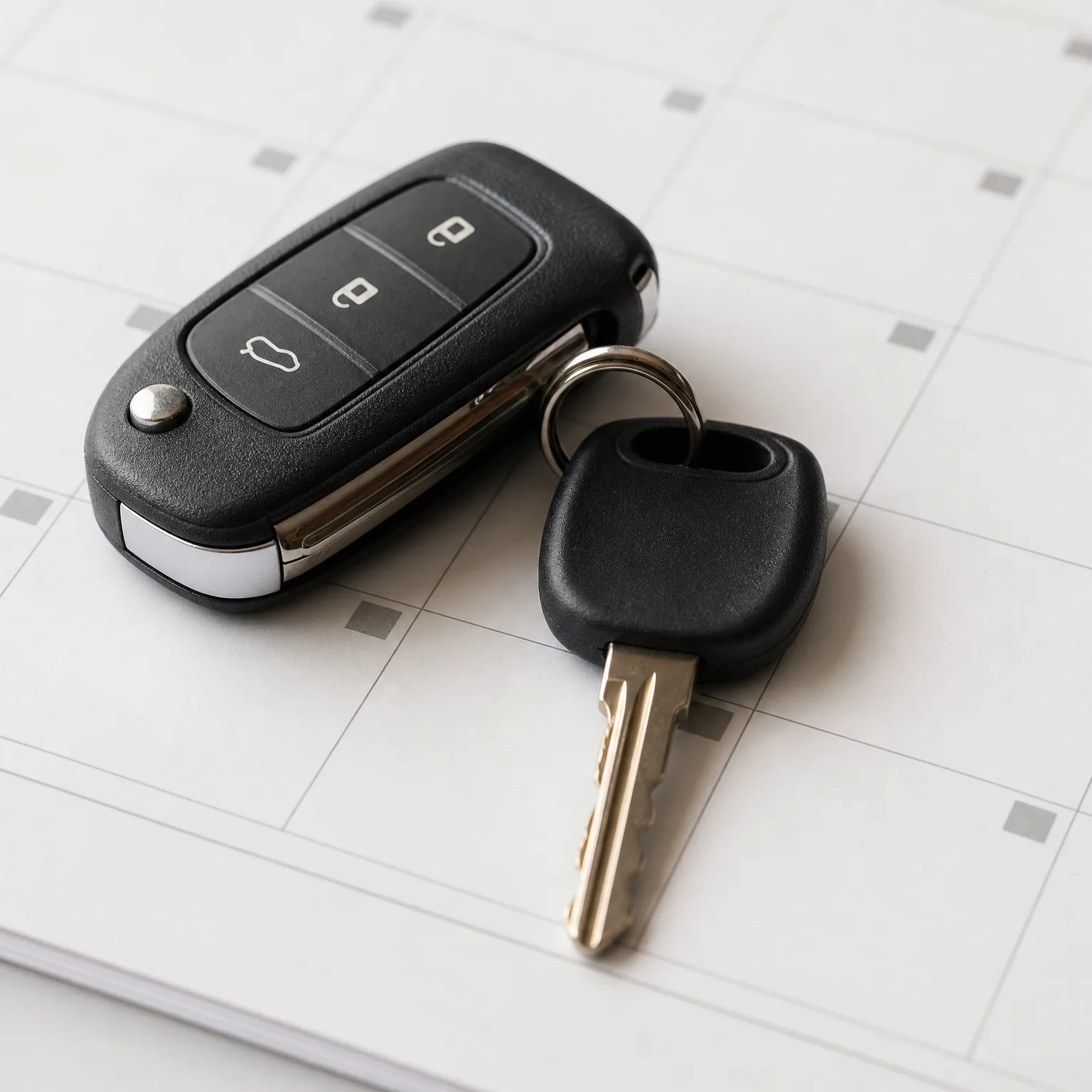
Do Car Thieves Usually Come Back
Most car thieves don't come back, but whatever let them in the first time can easily bring a different thief around.
Thieves move on, but the weak spot they found doesn't fix itself
A car theft is usually a crime of opportunity, not a grudge. The person who took your car wanted a car, not your car specifically, unless it held something valuable or was a model commonly stripped for parts. Once it's gone or recovered, that individual has no real reason to return. They got what they came for or they didn't, and either way the risk from that specific person drops fast.
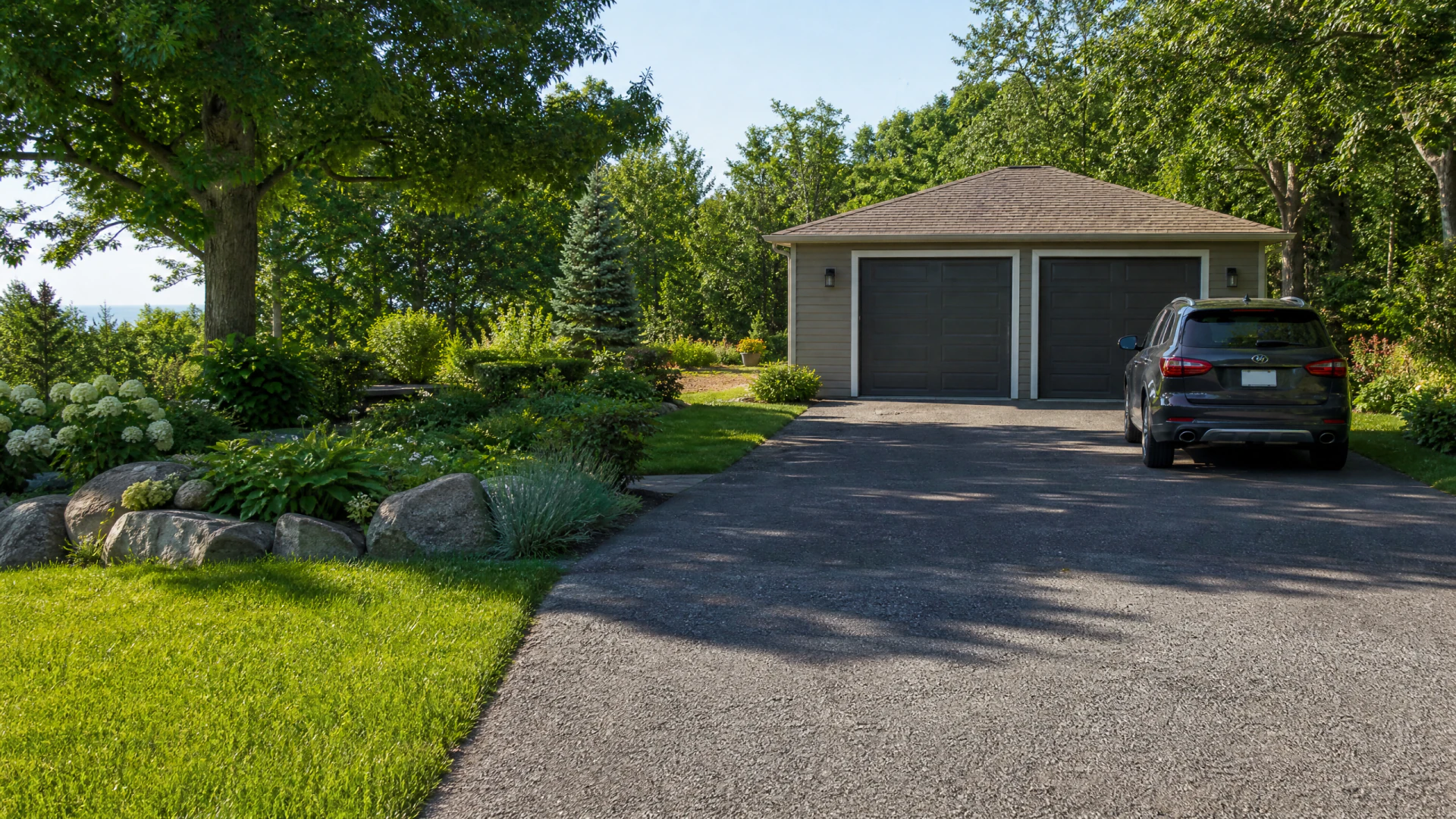
What doesn't change on its own is whatever made your car an easy target. If it was parked on a dim street, left unlocked, or sitting in a driveway with no camera or motion light, that same setup can attract a second, unrelated theft. Thieves scout by opportunity, so a spot that worked once can work again for someone else entirely. This is why people sometimes feel like they were targeted twice when really they were just vulnerable twice.
There are cases where the same car does get revisited. If the thief left something behind, if the car was used in another crime, or if parts were only partially stripped, someone may come back to finish the job or retrieve evidence. Police sometimes advise against repairing or driving a recovered car right away for exactly this reason, so ask if that applies to you.
State and local patterns matter too. Some neighborhoods see repeat theft activity tied to specific vehicle models or parts in demand, not to your address. Check with local police on recent patterns before assuming your case is random or targeted.
Should you change parking spots after your car was stolen?
Yes, if the spot itself was the vulnerability. If your car was taken from a dark street, an unmonitored lot, or anywhere with no visibility, moving to a well lit, visible, or secured spot removes the exact conditions that invited the theft in the first place.
If the car was taken from a locked garage or a monitored area, the parking spot likely wasn't the problem, and changing it won't add much protection. In that case look instead at how the thief got in, whether through a stolen key, a towed vehicle, or a break in to your home. Ask local police what they're seeing in your area, since theft patterns tied to specific models or neighborhoods vary and they'll know what's common right now.

Whether you report every detail to the police
If you do
A full report with time, location, and any damage gives police something to match against other thefts nearby. It also gives your insurer the documentation they need to process a claim without delay, and it creates a record if the car turns up later or gets tied to another crime.
If you don't
A thin report makes it harder for police to connect your case to a pattern, and harder for your insurer to move quickly. If the car is recovered later, you may have fewer facts on record to explain damage, missing items, or why you're hesitant to drive it again right away.
Now that you know what actually brings a thief back, compare quotes to match your coverage to the risk where you park.
Is it safe to drive my car after it's recovered from theft?
Usually yes, but only after it's been inspected. Thieves sometimes damage ignition systems, brakes, or electronics, and some of that damage isn't obvious from the outside. Have a mechanic check it before you drive it regularly, and ask police if they want to examine it first, especially if it was used in another crime. If parts were swapped or removed, get written documentation for your insurer. Once it's cleared mechanically and documented, there's no special risk tied to driving the same car again.
Do stolen cars get targeted again because of their alarm or tracking system?
Not usually, because thieves rarely know in advance what system a specific car has. They target vehicles by visibility, parking location, or ease of entry, not by guessing at anti theft technology. If your car has a tracking system that helped recover it, that's a reason to keep it, not a reason to think thieves will specifically avoid or target that car again. The bigger factor is still where and how the car is parked going forward.
Will my insurance rates go up after filing a theft claim?
It depends on your insurer and your state, so check your policy and ask directly. Some insurers treat theft as a no fault event since you didn't cause it, while others factor it into pricing regardless of fault. State rules on this vary too. Ask your insurer specifically how a theft claim affects renewal pricing before you assume either way, since the answer differs enough that guessing isn't reliable.

The thief is gone, but the opportunity that let them in is still there until you change it.