
Car Insurance Quotes Online Without Personal Information
You can get a rough quote with minimal information, but an accurate number eventually needs your name, address and driving history.

A new homeowner comparing quotes without a flood of calls
After closing on the house, you wanted a ballpark on car insurance before deciding whether to switch your current policy or bundle it with the new homeowners plan. You didn't want five agents calling the same afternoon, so you started with quote tools that only asked for your zip code, vehicle and age range. That gave you a range to compare insurers, but every number carried a note saying your final price would depend on your driving record and full address.
You picked the two lowest ranges and went further with each, this time entering your name and license information because that's what it took to see a real number tied to your new address and garage. One of them came back noticeably lower once they factored in the garage, since covered parking often brings the price down. You ended up switching, not because the first estimate was wrong, but because it was only ever meant to get you close, and the final quote confirmed it was worth the switch.
Why do insurers need my personal information to finish a quote?
Because the price depends on who's actually driving and where the car sits overnight. Your driving record, the exact address, and details about the vehicle all change the risk the insurer is pricing, and none of that can be estimated from a zip code alone.
This is also regulated in most states. Insurers have to price based on real, verifiable information, not averages, so the quote you accept has to be tied to your actual record. That's why early anonymous quotes are always labeled as estimates. The moment you want a number you can actually buy, you're giving enough information for the insurer to legally stand behind that price.
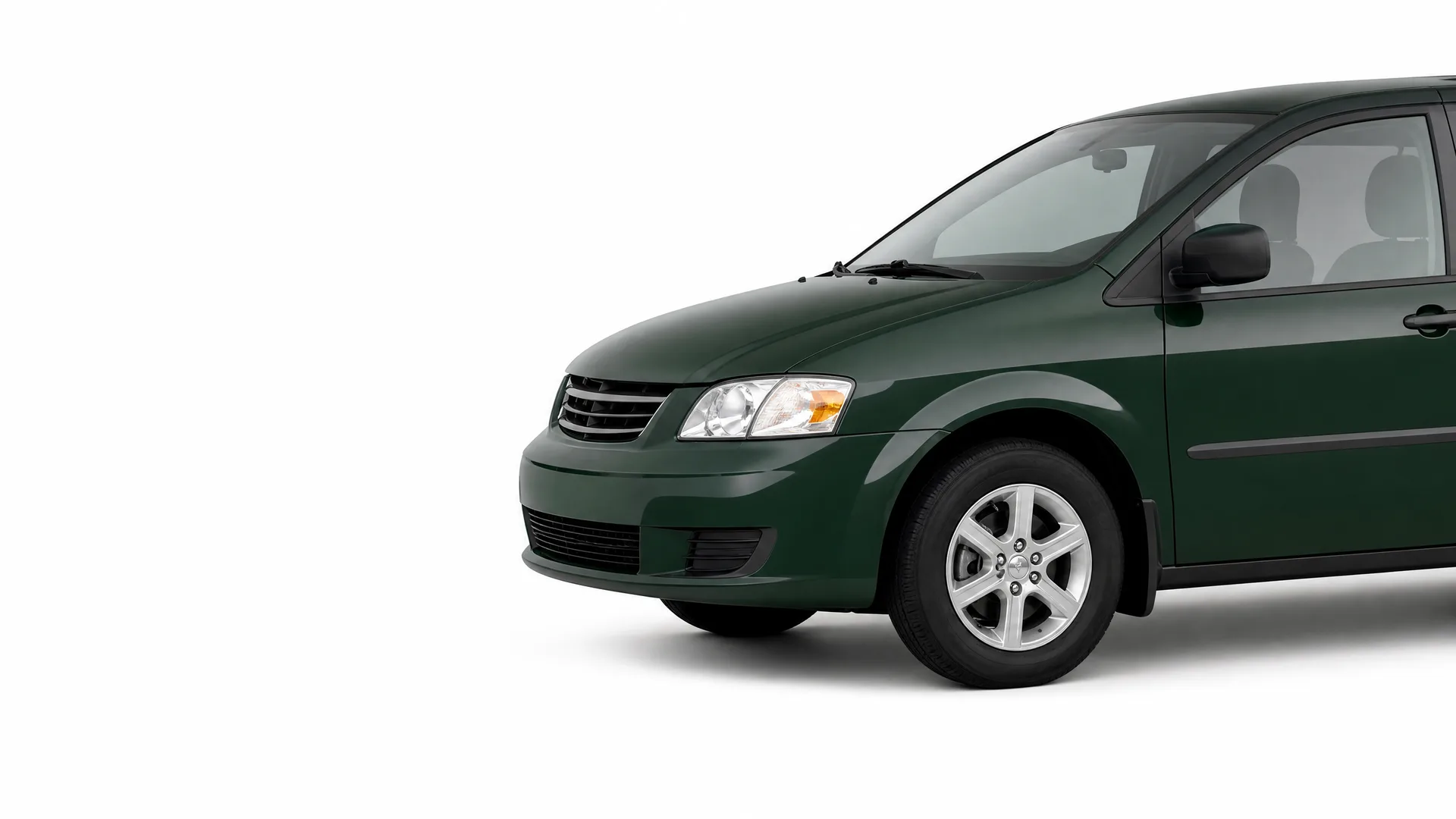
Anonymous quotes are for narrowing down options, not for finding your real price.
Use anonymous quotes to shortlist insurers, then finish with real details to find which one is cheapest.

Anonymous quote tools versus going straight to full quotes
If you do
You get a fast, low-pressure way to compare several insurers side by side using just your zip code, vehicle and rough driving history. No calls, no spam, no commitment. You'll narrow down two or three worth pursuing, but every number stays an estimate until you add your name and address.
If you don't
You skip straight to full quotes, which means more accurate numbers right away but also more contact information shared upfront. Expect follow-up calls or emails from each insurer. It's faster if you already know who you want to compare, slower if you're still deciding where to even start.
Why full quotes always need to know who you are
Car insurance prices are built from your actual risk, not a general estimate. Your driving record, where you live down to the exact address, and sometimes your credit-based insurance score all factor into the final price. An anonymous tool can approximate this using averages for your area and age group, but it can't see your specific history, so it can only ever get you close.
State rules also shape how much insurers can quote without identifying you. Some states require insurers to disclose exactly which factors they use in pricing, and some restrict certain factors entirely, like credit history. This means two anonymous quote tools in different states might ask for different information, or give you a range instead of a number, depending on what that state allows upfront.
There's also a practical reason insurers want your information early. Once you accept a quote, they want to bind the policy quickly, and that requires the same identifying details regardless of when you provide them. Collecting it during the quote process just moves the paperwork earlier rather than adding an extra step later.
The tradeoff works out differently depending on how settled you are in your decision. If you're just starting to shop and don't know which insurers to even consider, anonymous tools save you from juggling calls while you're still exploring. If you already know you're comparing two specific companies, skipping straight to full quotes gets you a real answer faster, since you were going to share that information eventually anyway.