Can You Insure a Car With a Missing VIN?
Usually not without extra steps, since insurers need a verified VIN before they'll write a policy.
Free to compare
Insurers need the VIN to know what they're covering
A VIN is how an insurer confirms what the car actually is, its make, model, year, and trim, and ties that to the value and risk they're pricing. Without it, they can't rate the car accurately or confirm it's not stolen, rebuilt, or salvaged under a different identity. That's why a missing or illegible VIN usually stops a policy before it starts.
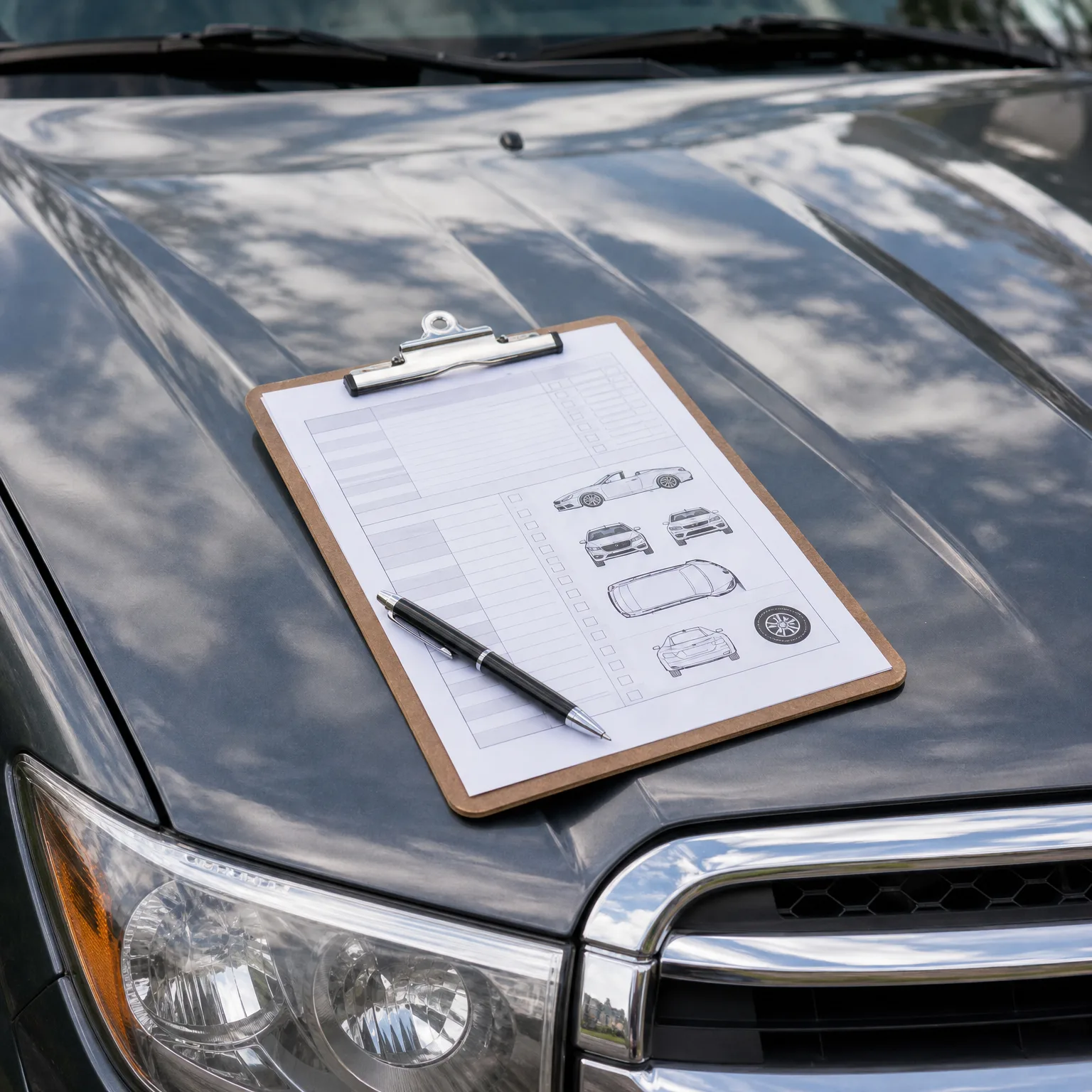
The fix almost always runs through the state motor vehicle agency, not the insurer. If the VIN plate is missing, damaged, or was never assigned, most states have a process to inspect the car and issue a replacement or confirmed VIN. Insurers generally won't move forward until that's done, because they're relying on the state's verification, not doing their own.
How strict this is can depend on the insurer and the state. Some will quote a policy conditionally while the VIN issue is being resolved, especially if the car is otherwise well documented with a title or prior registration. Others won't issue anything at all until the VIN is confirmed. If the car is a kit car, homebuilt, or very old, the rules can differ further, since some of these vehicles were never issued a standard VIN to begin with.
The one thing that doesn't vary is the order of operations. Get the VIN situation resolved with the state first, then approach insurers. Trying to insure first and sort out the VIN later tends to waste time, because most insurers will just send you back to that step anyway.
The short version
You generally can't insure a car without a verified VIN, because insurers rely on it to confirm the vehicle and price the risk. The fix is a state inspection or VIN replacement process, done before you shop for coverage. Resolve the VIN first, then get quotes.
What if the state can't assign a new VIN at all?
This happens occasionally with homebuilt cars, kit cars, or vehicles with such extensive damage or alteration that the state can't confirm the vehicle's history. In that case, some states will issue a special assigned number specifically for registration and insurance purposes, separate from a manufacturer VIN.
If that happens, bring the assigned number to insurers directly, since not every insurer is set up to write a policy against it. Specialty insurers who work with kit cars, homebuilt vehicles, or classic cars are usually more familiar with this situation than general insurers. Ask the state agency what documentation accompanies the assigned number, since you'll likely need to show it to whoever ends up insuring the car.
Once your VIN is verified, compare quotes so you're not stuck with the first insurer willing to write the policy.

Resolve the VIN before you shop for coverage
If you do
You get a verified or state-assigned VIN on record, which means any insurer can rate the car normally. You can compare multiple quotes instead of settling for whichever company happens to accept an unverified car. Registration, titling, and insurance all move forward together without delays.
If you don't
Most insurers will decline to quote until the VIN issue is fixed, so you'll likely hit the same wall each time. Even a conditional policy may come with restrictions or get cancelled once the insurer can't confirm the vehicle. You'll probably end up doing the state process anyway, just later and under more pressure.
What to sort out before you call an insurer
- Confirm why the VIN is missing A worn plate, a removed plate, and a car that never had one are different problems with different fixes. Check the title, prior registration, or state records to understand which situation you're in.
- Start with the state first Most states handle VIN verification or replacement through their motor vehicle agency, often with a physical inspection. Call them first, since insurers typically wait on this step before quoting.
- Keep all the paperwork Inspection reports, replacement VIN certificates, and old titles all help establish the car's identity. Insurers and future buyers may ask for this paperwork later.
- Ask about conditional quotes A few insurers will quote while verification is in progress, especially with strong supporting paperwork. Ask directly rather than assuming it's not possible.
- Check rules for kit cars Some vehicles were never issued a standard VIN, which changes the process entirely. A specialty insurer familiar with these vehicles can save you time.