Can You Hit Someones Car if They Are Blocking Your Driveway
No, you can't hit a car blocking your driveway, and doing it will cost you more than the inconvenience ever would.
What really happens if you ram the blocking car
- You're liable, not them Being blocked is frustrating but it isn't an emergency that excuses damaging someone else's property. You become the at-fault party the moment you make contact.
- Insurers can still deny it Your policy might cover the damage initially, but insurers often deny claims once they determine the collision was intentional. Expect pointed questions from the adjuster about how it happened.
- Your rates move either way A paid claim where you're at fault raises what you're charged going forward. An intentional act that gets denied can end your coverage entirely, which is worse.
- There can be criminal exposure Deliberately hitting a car can count as property damage or worse depending on where you live. Call your local non-emergency police line instead of your bumper.
- Towing is the real fix Most places let you have a car towed off your own driveway through police or a towing company. Check your local rules so you know the steps before it happens again.
Will my insurance cover damage if I hit a car blocking my driveway?
It depends on how the claim is described. If you report it as an accident, your liability coverage may pay for the other car's damage, but your own insurer can later investigate and deny the claim once they determine it was intentional. Insurers specifically exclude intentional acts from coverage, and adjusters look for signs like a straight-line impact, witness statements, or a prior dispute with the other driver.
If the claim is denied, you're personally on the hook for the other car's repair costs and your own vehicle's damage. You could also face a liability lawsuit from the other owner separate from any insurance payout. The safer assumption is that intentionally hitting a car is not a covered event, and you should treat it that way before you act, not after.
Knowing how this kind of claim actually plays out, compare quotes to see where you'd stand if it happened to you.

Hit the car or call for a tow, the two paths look very different
If you do
You damage both vehicles and report it. Your insurer may pay the other driver's claim initially, then investigate and find it was intentional. The claim gets denied, you're billed directly for both cars, your coverage is at risk, and the other driver can still pursue you separately for damages.
If you don't
You call local non-emergency police or a towing company instead. The blocking car gets removed through a legal process, you get your driveway back, and no claim, no denial, and no cancellation risk follows you. It takes longer than ramming the bumper, but nothing about your insurance or your record changes.
A blocked driveway after a holiday gathering
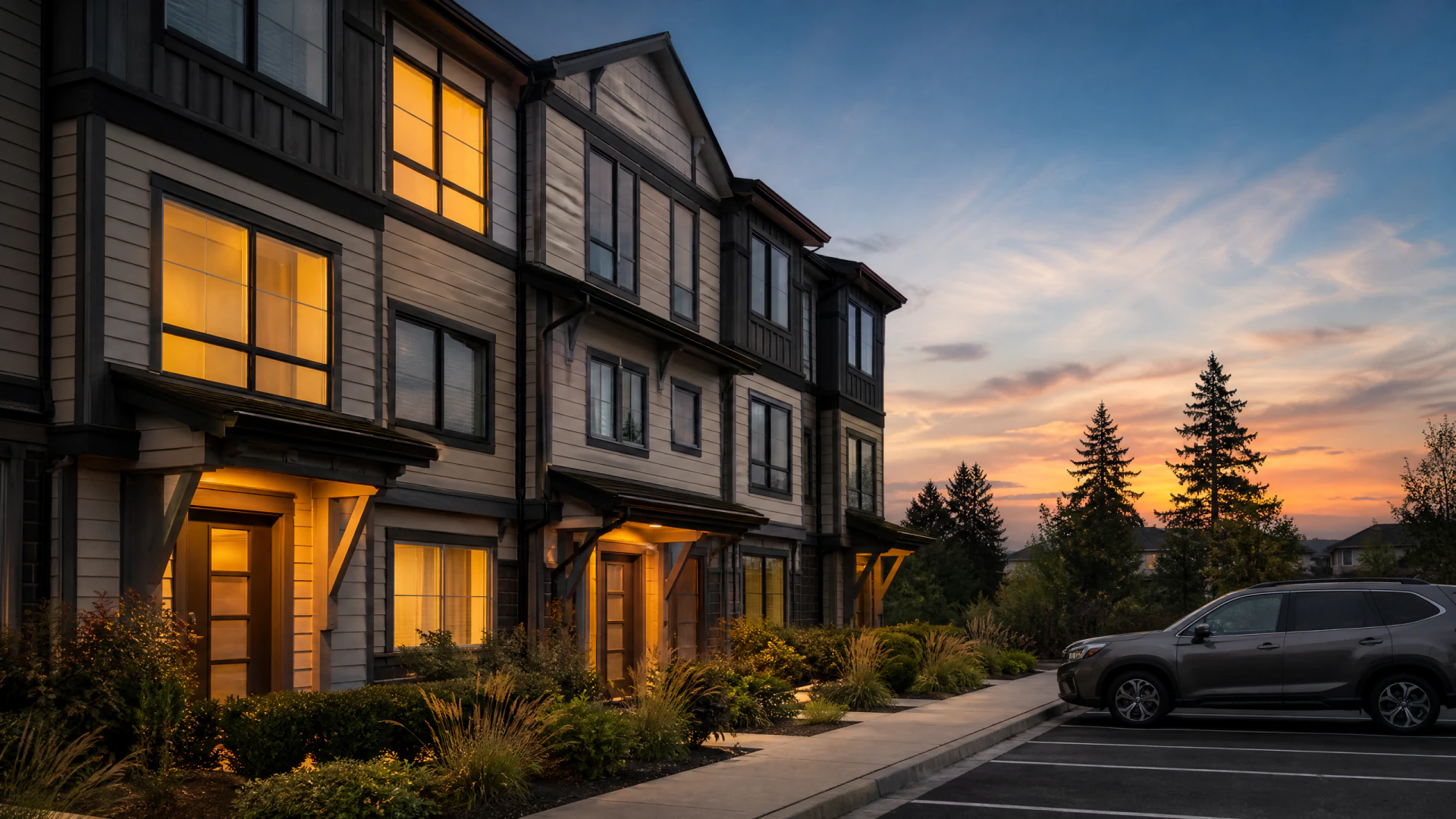
You come home from work to find an unfamiliar car parked across the end of your driveway, left by a guest at a neighbor's party who misjudged the property line. You're blocked in for what could be hours, you have somewhere to be, and the owner isn't answering the door anyone can find. The instinct to just nudge the car out of the way is strong, especially if you're already running late and no one seems to be taking responsibility.
Instead you take photos of the car's position and your blocked driveway, then call your local police non-emergency line to ask about having it towed from your own property. They walk you through the steps, which in many places means you can authorize a tow without needing the owner present. Within an hour a tow truck arrives, the car is moved, and you're back in your routine with no damage, no claim, and no argument with a neighbor you'll see again next week. The paperwork trail from the tow also means if the car's owner disputes anything later, you have a clear record of what happened and why.
The feeling that you're in the right doesn't change who your insurer and the law hold responsible.