Can You Have a Named Driver at a Different Address
Yes, a named driver can live elsewhere, but you must tell the insurer the real address or the policy can be challenged later.
A partner who still has a place across town
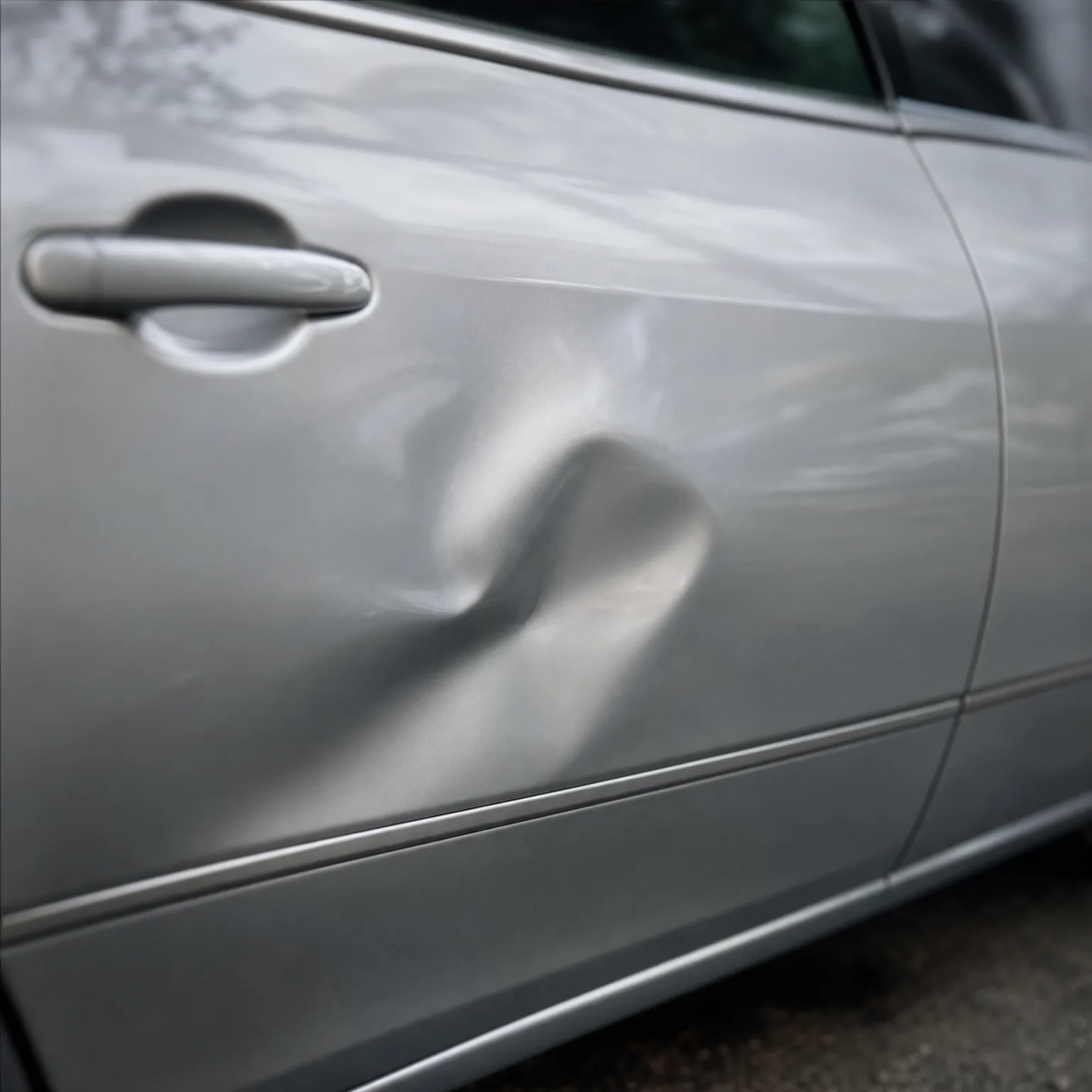
Say one of you just bought the house, but the other hasn't sold their old apartment yet and still spends some nights there. The car lives at the new address, and the person who drives it most often lives there too, but their name on the license shows the old place for now. They called the insurer and explained both addresses, which address the car is actually kept at overnight, and who the main driver is going forward.
The insurer recorded the second address as the named driver's correspondence address while keeping the car's main address as the new home. Nothing about the premium changed much, because the car itself hadn't moved and the primary driver hadn't changed. The lesson for them wasn't about saving money, it was about avoiding a mismatch between what the license shows and what the insurer has on file, which could have caused problems if they'd ever needed to make a claim.
Does a named driver's address affect the price of the policy?
Sometimes, but usually less than you'd expect. Insurers price a policy mainly around where the car is kept and who drives it most, so a named driver's separate address matters less than the main policyholder's address or the car's address.
What can shift the price is if the named driver's address suggests they're the one actually using the car day to day, or if their area has a different risk profile than yours. If the insurer decides the named driver is really the main user based on patterns like commute distance or how often they're listed as a driver, they might reprice around that address instead. Check with your insurer how they define the primary address for pricing, since this is one of the details that varies by company.

Telling the insurer about the second address
If you do
You give the named driver's real address, and the insurer records it correctly alongside the car's address at your home. If anything happens, a claim or an accident, the details on file match reality, so there's nothing to question and nothing that slows down the process.
If you don't
You leave the old address on file or guess at something close enough. If a claim comes up and the insurer finds the named driver actually lives somewhere else, they can investigate the mismatch, delay the payout, or in some cases deny the claim entirely for misrepresentation.
Now that you know how to list a named driver's real address, compare quotes to see how it affects your rate.

What to sort out before you call the insurer
- Where the car sleeps The car's primary address is usually your new home, since that's where it's parked overnight. This matters more to pricing than the named driver's address does.
- Who drives it most If the named driver uses the car more than you do, the insurer may want their address and habits weighted more heavily. Be honest about who the main driver actually is.
- Correspondence vs rating address Some insurers separate where mail goes from the address used to calculate risk. Ask which one applies to the named driver so you know what's being recorded and why.
- Proof if asked Insurers sometimes ask for documents confirming an address, especially if it differs from the main policyholder's. Keep something simple on hand like a utility bill or lease.
- Update as things settle If the named driver eventually moves in with you, update the policy then. Don't leave an old address on file once it's no longer accurate.
Why the address rules work this way
Insurers build a policy around risk, and risk is tied to where a car is parked, how far it travels, and who's behind the wheel most often. A named driver doesn't have to live at the same address as the policyholder because the insurer is really asking two separate questions, where does the car live, and who is likely to be driving it. Those two answers don't have to come from the same roof.
What the insurer cares about is accuracy, not uniformity. They want the address that reflects where the named driver sleeps most nights, not a convenient match to your own address. If that address is wrong, the insurer's risk model is wrong too, and that's the thing that causes trouble, not the simple fact that two people on one policy live in two places.
This is also why insurers sometimes ask follow-up questions when a named driver's address is far from the car's address. If someone lives across the country and only visits a few times a year, that's a different situation than a partner who's mid-move and still has a foot in both places. The insurer is trying to figure out how much that person actually uses the car, since that's what drives the real risk.
Where this plays out differently is by company and by state, since some insurers weigh named driver addresses more heavily in pricing than others, and some state rules affect what has to be disclosed. Check with your insurer directly on how they handle a named driver's address, since this is exactly the kind of detail that isn't standard everywhere.

The car's address matters most, not the driver's, so give accurate addresses instead of matching ones.