Can I Take the Tires Off My Totaled Car
Usually not without cutting your payout, since the car and its parts belong to the insurer once you accept the total loss settlement.
The car stops being fully yours once you accept the payout
When an insurer declares your car a total loss and pays you for it, they're buying the car from you, tires included. The settlement is based on the car's value in its current condition, which assumes it has whatever tires, wheels, and parts it had when it was damaged. If you remove parts before the insurer takes possession, you've changed the condition of something you already agreed to sell them.
Most insurers inspect the vehicle or at least document its condition before finalizing the payout. If tires or other parts are missing, they can reduce what they pay you by the value of those parts, or ask you to put them back before the deal closes. This isn't universal punishment, it's just them paying for what they're actually getting.
There are situations where this works differently. If you owned aftermarket tires or wheels you installed yourself, separate from what came with the car, some insurers will let you swap back to stock parts or deduct only the aftermarket value, not the full tire value. Some policies and some states also have specific rules about who owns a totaled vehicle and when ownership transfers, so the exact moment you lose the right to touch the car can vary.
The safer path is always to ask before you touch anything. Call your adjuster, explain what you want to remove and why, and get the answer in writing if you can. If they say yes, get it confirmed before you act. If they say no, leave the car alone until the settlement is final and the car is no longer yours to modify.
What if the tires are mine, not the insurer's?
If you personally bought and installed aftermarket tires or wheels that aren't the ones the car came with, you have a stronger case for removing them or being compensated separately. Many insurers will let you swap in your old stock tires before handoff, or they'll pay you the value of the aftermarket parts directly instead of folding them into the total loss payout.
The key is proving you own them separately from the car, with a receipt, install date, or photos from before the accident. Without that proof, the insurer may just treat everything on the car as part of the vehicle they're settling. Ask your adjuster directly how they handle aftermarket parts, since policies and state rules on this differ enough that you shouldn't assume either way.
Once you accept a total loss payout, the car and its parts belong to the insurer, not you.
Once you know how a total loss settlement works, compare quotes so your next policy fits how you actually use your car.

Whether you ask the insurer before touching anything
If you do
You find out exactly what's allowed, avoid a reduced payout, and possibly get permission to swap back personal wheels or tires. The adjuster confirms the car's condition matches what they're paying for, so there's no dispute later and the claim closes faster.
If you don't
You risk the insurer lowering your payout to account for missing parts, or delaying the claim while they investigate. If the car already went to salvage, you may have no way to get the tires back, and you've turned a simple settlement into a dispute.
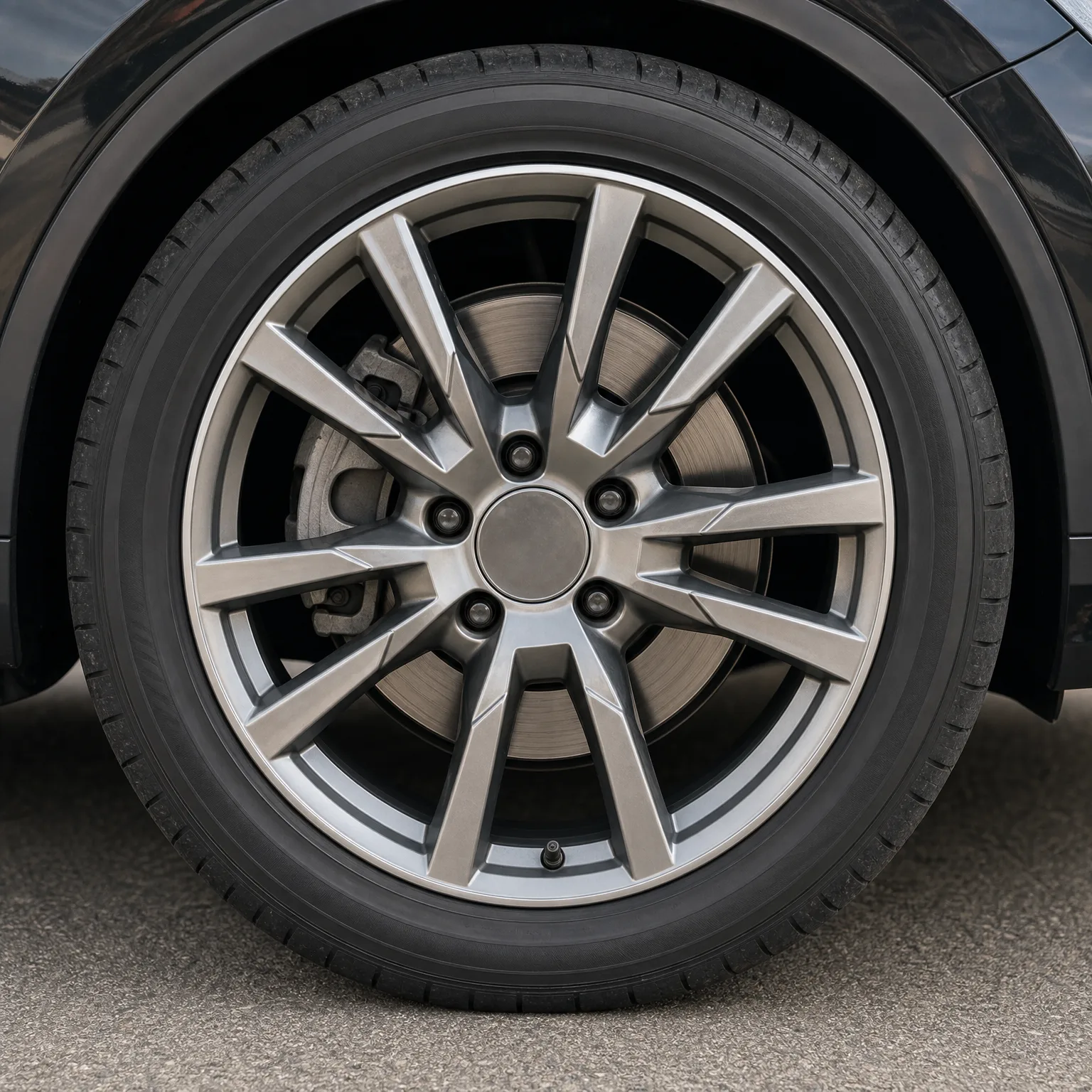
A driver with aftermarket wheels wants them back
A driver's car was totaled in a flood, and before the tow truck came, they thought about pulling off the expensive aftermarket wheels they'd installed the year before. Instead of touching anything, they called the adjuster first and explained the wheels weren't original equipment, with a receipt to prove it.
The adjuster confirmed the settlement was based on the car's value with stock wheels, since that's what the valuation guide assumed, and agreed the driver could swap the aftermarket wheels for a spare set of stock ones before the car was picked up. The driver kept their wheels, the insurer got a car matching the valuation, and the payout went through without any argument over missing parts.
Can I keep my totaled car instead of letting the insurer take it?
Yes, this is usually called a salvage retention or owner-retained total loss, and most insurers allow it. They'll deduct the salvage value, what the car would sell for at auction in damaged condition, from your payout, and you keep the car with a salvage title. You'll need to check your state's rules on retitling and whether the car can be legally driven again, since salvage title rules vary significantly by state and some require inspections before the car is road legal again.
Does the insurer own my car the moment they declare it a total loss?
Not instantly, ownership typically transfers once you accept the settlement offer and sign over the title. Before that point, the car is usually still legally yours, though insurers may ask you to stop driving it or making changes once they've declared it a loss. Check with your adjuster about the exact point of transfer, since this timing can depend on your state's title laws and your specific policy terms.
What happens to my personal belongings left in a totaled car?
You're entitled to retrieve your personal belongings before the insurer takes the car, and this is separate from parts attached to the vehicle itself. Things like clothing, electronics, or items in the trunk aren't part of the car's value and won't affect your payout. Ask the insurer or tow yard when and how you can access the car to collect these items, since timing can be tight if the car is moved to a salvage yard quickly.