Can I Add Business Insurance to My Existing Car Insurance
Sometimes yes, with an endorsement added to your current policy, but regular business use often needs a separate commercial policy instead.
Personal policies are built around personal driving, not work
A standard car insurance policy assumes you drive for ordinary reasons, errands, commuting, visiting people. The moment you start using the car to make money, the insurer is taking on a different kind of risk. People who drive for work tend to be on the road more, often in unfamiliar areas, sometimes carrying tools, goods or passengers that change how a crash plays out. That's why insurers treat business use as its own category rather than folding it quietly into what you already have.
For light, occasional use, many insurers let you add a business use endorsement to your existing policy. This usually covers things like occasionally driving to a client's office, carrying supplies for a side job, or using the car for a second income source that doesn't involve much driving. The endorsement changes your rating and sometimes your premium, but the policy structure stays the same.
Once the use becomes regular or central to how you earn money, insurers usually want you to move to a commercial auto policy instead. This applies to things like regular deliveries, transporting other people for pay, or using the vehicle primarily for a business rather than occasionally for one. A personal policy with a business endorsement isn't built to absorb that volume or type of risk, and claims tied to that kind of use can be denied if the insurer decides the activity exceeded what the endorsement covered.
What counts as light versus regular use, and whether an endorsement is even offered, varies by insurer and by state. Some states have specific rules about what can be added to a personal policy versus what must be written commercially. The only way to know where your situation falls is to describe your actual driving, how often, how far, and for what purpose, and let the insurer tell you which route applies.
A new side business driving for deliveries a few hours a week
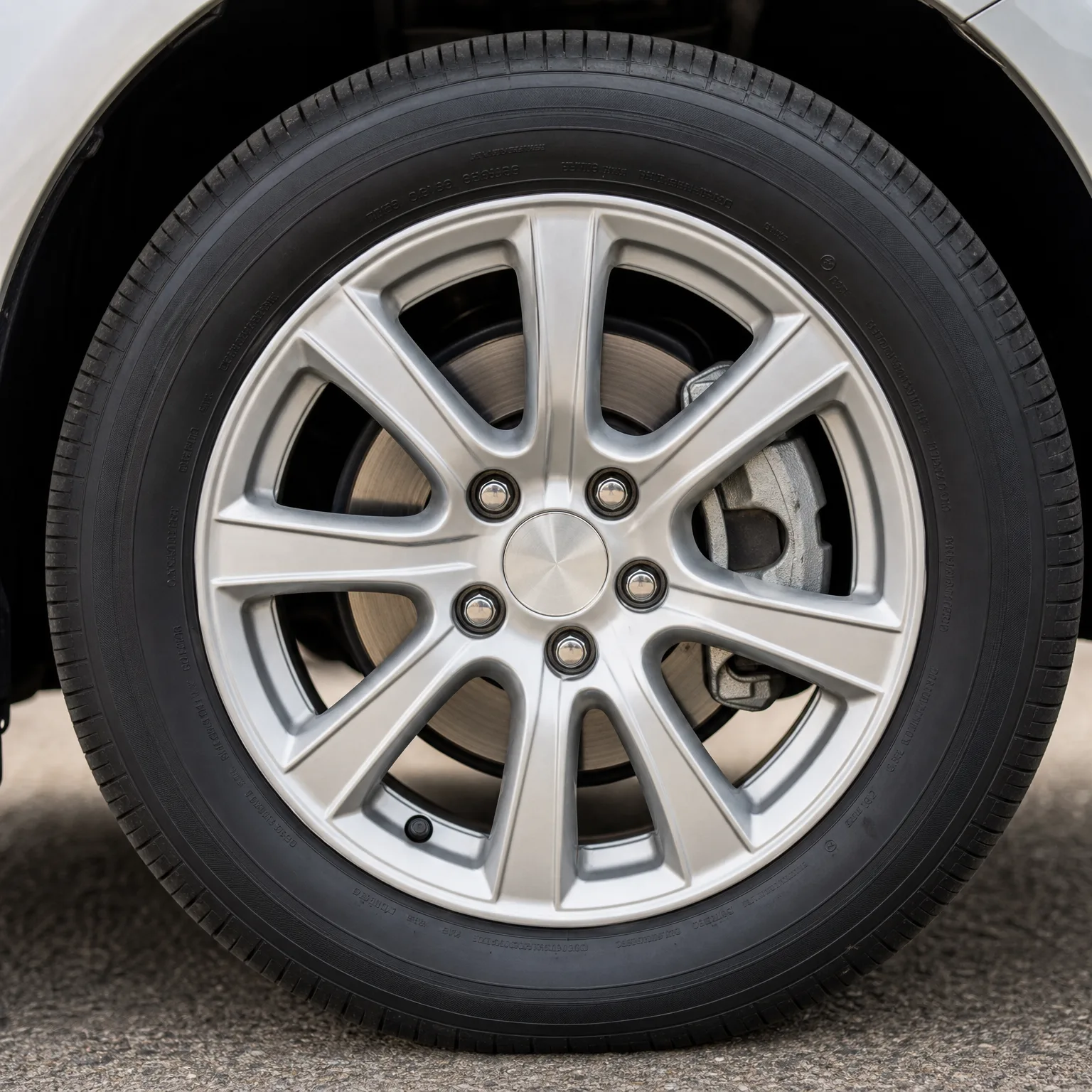
Someone who just bought a home takes on a part time delivery gig to help with the new mortgage, driving their own car a few evenings a week. They call their insurer assuming they can just mention it and keep their existing policy as is. The insurer asks how many hours a week, how many miles, and whether this is occasional or ongoing income.
Because the driving is regular and tied to earning money as the main purpose of those trips, the insurer explains that an endorsement isn't enough and a separate commercial or rideshare-style policy is needed for those hours. The couple ends up keeping their personal policy for all other driving and adding a separate policy that covers just the delivery work. It costs more than doing nothing, but it means a crash during a delivery run is actually covered instead of risking a denied claim right when they can least afford one.
The real risk isn't forgetting to mention work use, it's assuming your current policy already covers it.
Once you know whether you need an endorsement or a separate commercial policy, compare quotes for exactly that coverage.
What happens if I don't tell my insurer about business use?
If you don't disclose it and you're in a crash while driving for work, the insurer can investigate and deny the claim once they find out the trip was business related. This isn't a minor paperwork issue, it can mean you pay for the damage, the other driver's costs, and any medical bills entirely out of pocket.
Insurers find out through claims investigations, through patterns in mileage or through the other driver's account of why you were on the road. It's not worth the risk for the cost of being upfront. Telling your insurer what you're actually doing with the car is what lets them tell you honestly whether you're covered, and it's the only way to know before something happens instead of after.
Does a business endorsement cost a lot more than my current premium?
It depends on how much driving you're adding and what you're using the car for, so there's no single answer. Insurers price it based on added mileage, purpose and risk, not a flat fee. Ask for a quote with and without the endorsement so you can see the actual difference for your situation before deciding whether to add it.
Can I use a personal car for a home based business without extra insurance?
It depends on whether the car itself is used for business driving, not just whether you run a business from home. If you only use the car for your own errands and never drive it for client visits, deliveries or business errands, your personal policy likely still applies. The moment the car is used to generate income through driving, that changes, so describe your actual use to your insurer.
Will adding business use affect my home and auto bundle discount?
It can, because moving part of your coverage to a commercial policy may separate it from the bundle you have now. Ask your insurer directly how a business endorsement or a separate commercial policy affects any existing bundled discount. Some insurers keep the personal auto and home bundle intact even if you add a separate commercial policy elsewhere, others don't.