Can a Personal Vehicle Be Used for Business
Yes, you can use your personal car for business, but your policy decides where that coverage actually stops.
Your policy was written around how you said you'd drive
Insurers price a policy based on expected use, and personal policies assume commuting and errands, not business driving. The moment you use the car to make money, whether that's deliveries, client visits, hauling tools, or driving for a app-based service, you've stepped outside what the policy was built for. Some personal policies quietly exclude business use altogether. Others allow occasional use but draw a line at regular or central use.
Where that line sits depends on your insurer and sometimes your state, so you can't assume your situation is covered just because it feels minor. A once-a-month supply run reads differently to an insurer than a daily delivery route, and the difference matters because it determines whether a claim gets paid at all. This isn't about punishing you for working. It's about the policy matching the actual risk, since business use usually means more miles, more stops, and more exposure to accidents.
The fix isn't always a brand new policy. Many insurers offer an endorsement that extends your personal coverage to include certain business uses, which can be enough if your work is occasional or low-mileage. Other situations, especially regular client transport, deliveries for pay, or driving that's central to how you earn income, usually need a commercial policy instead, because the liability limits and coverage structure are built differently.
The cases that go wrong are predictable. Someone uses their car for a side gig, assumes their personal policy covers it because it always has, and files a claim only to find out the business use voided it. Calling your insurer before this happens costs you a few minutes. Finding out after a claim costs you everything the claim would have paid.
The short version
Yes, you can use a personal vehicle for business, but your personal policy may not cover accidents that happen while you're doing it. Business use changes the risk the insurer priced for, so coverage can be limited or excluded. Call your insurer, describe exactly how you use the car, and ask whether you need an endorsement or a commercial policy.
What counts as business use versus just driving to work?
Commuting to a regular job is personal use, even though it's for work, because the driving itself isn't how you make money. Business use means the driving is part of how income happens. Think delivering goods, transporting clients or passengers for pay, driving between job sites for work, or using the car to carry tools and equipment regularly for a trade.
The test insurers use isn't how often you drive, it's why you're driving. A real estate agent showing houses, a contractor hauling supplies daily, or anyone driving for a delivery or rideshare platform is using the vehicle as a business tool, not just getting somewhere. If you're unsure, describe your actual routine to your insurer in plain terms and let them tell you which category it falls into, since the label matters less than the honest description.
Now that you know whether your driving counts as business use, compare quotes that include the right coverage for it.

A contractor who started hauling tools for side jobs
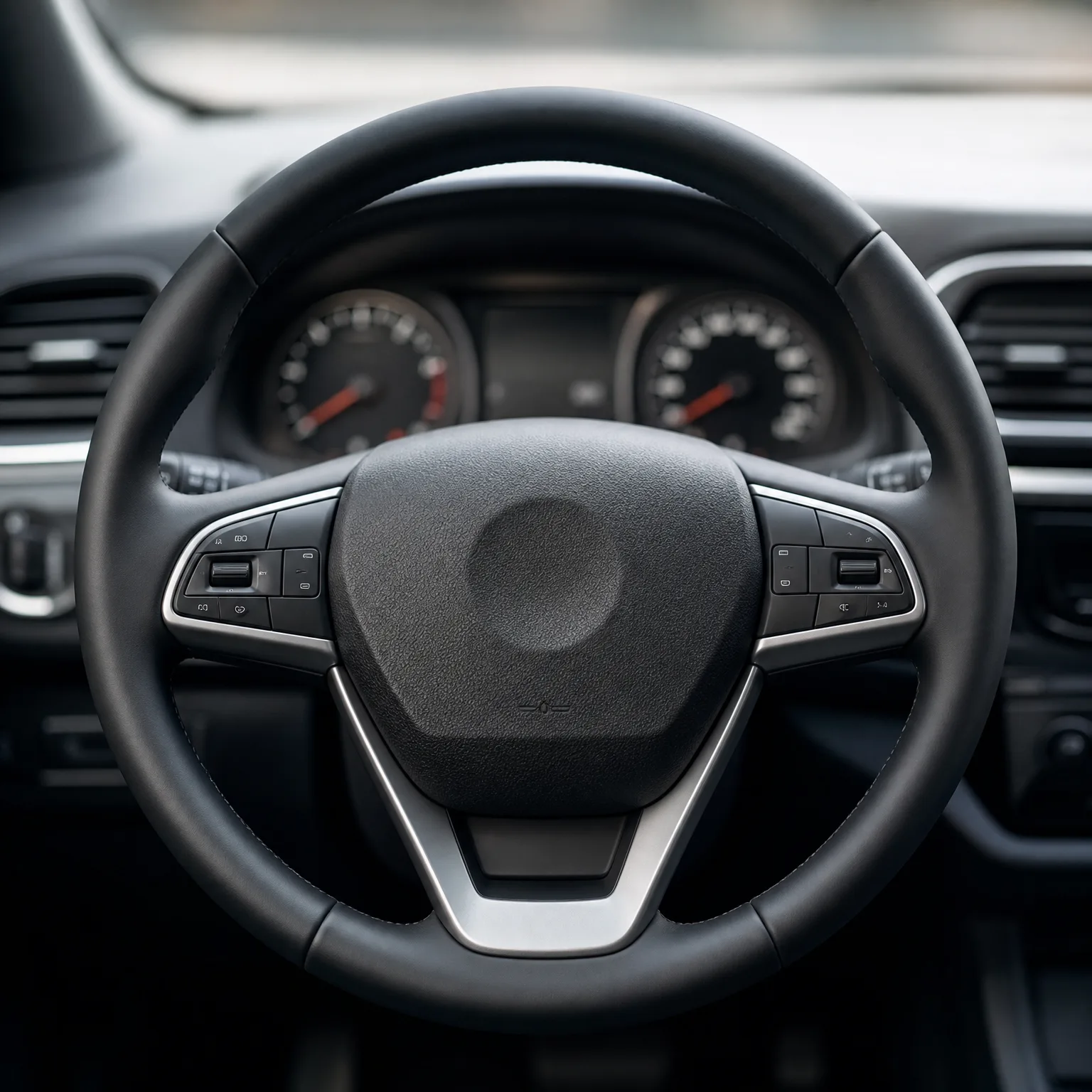
Someone took on small renovation jobs on weekends, using their personal truck to haul tools and materials to each site. They assumed their existing policy covered it since it was the same truck they always drove, just with more stuff in the back. A friend who worked in insurance mentioned that regular work use could be treated differently, so they called their insurer to ask before anything happened.
The insurer explained that occasional personal errands were fine, but recurring paid work changed the classification. Because the side jobs were steady and clearly tied to earning money, the insurer recommended adding a business-use endorsement rather than waiting to find out during a claim. The cost was modest and the process took one phone call. A few months later, a minor collision happened while driving to a job site, and because the endorsement was in place, the claim was handled without any dispute over whether the drive counted as business use.

The real decision isn't whether you can use the car for work, it's whether your policy already knows you do.