Are Parking Lots Responsible for Car Theft
In almost every case, the lot isn't liable, so your own coverage and habits are what actually protect you.

A theft from a garage after a move
After settling into the new place, one of you starts parking in a shared garage attached to the building instead of on the street. A few months in, the car is stolen overnight from a marked spot in that garage. The first instinct is to call the building management, since the garage had cameras and a gate that was supposed to stay locked.
Management points to a sign near the entrance stating they aren't responsible for theft or damage, which is standard and almost always enforceable. The actual claim goes through the car's own policy instead, under the comprehensive portion, which is the part that covers theft. Because the policy was updated after the move to reflect the new address and the garage parking, the claim goes smoothly and the payout reflects accurate rating. The lesson that sticks isn't about the garage at all. It's that the coverage sitting quietly in the background is what responds when something like this happens, not the property where it happened.
Does where you park actually affect your insurance rate?
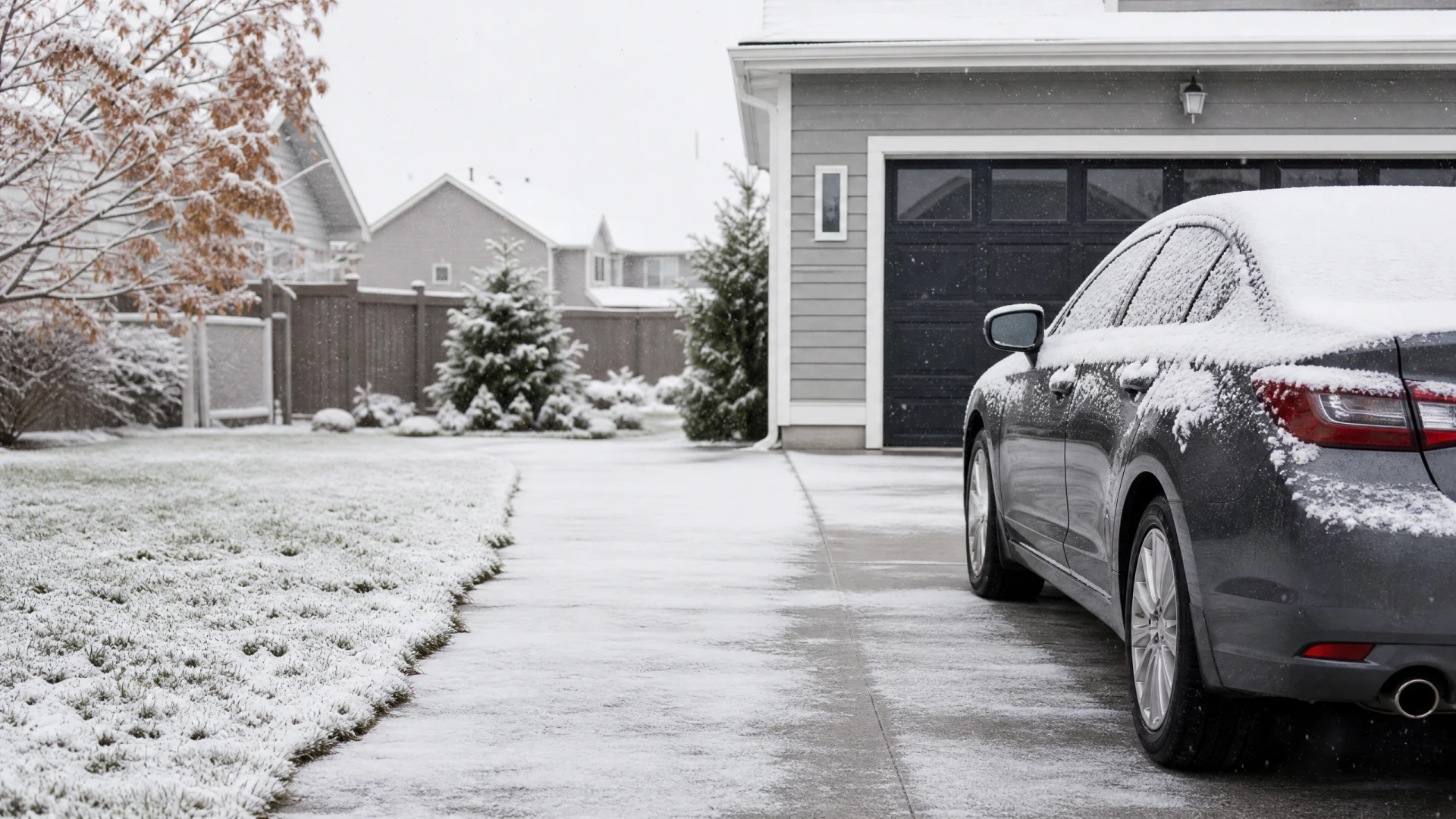
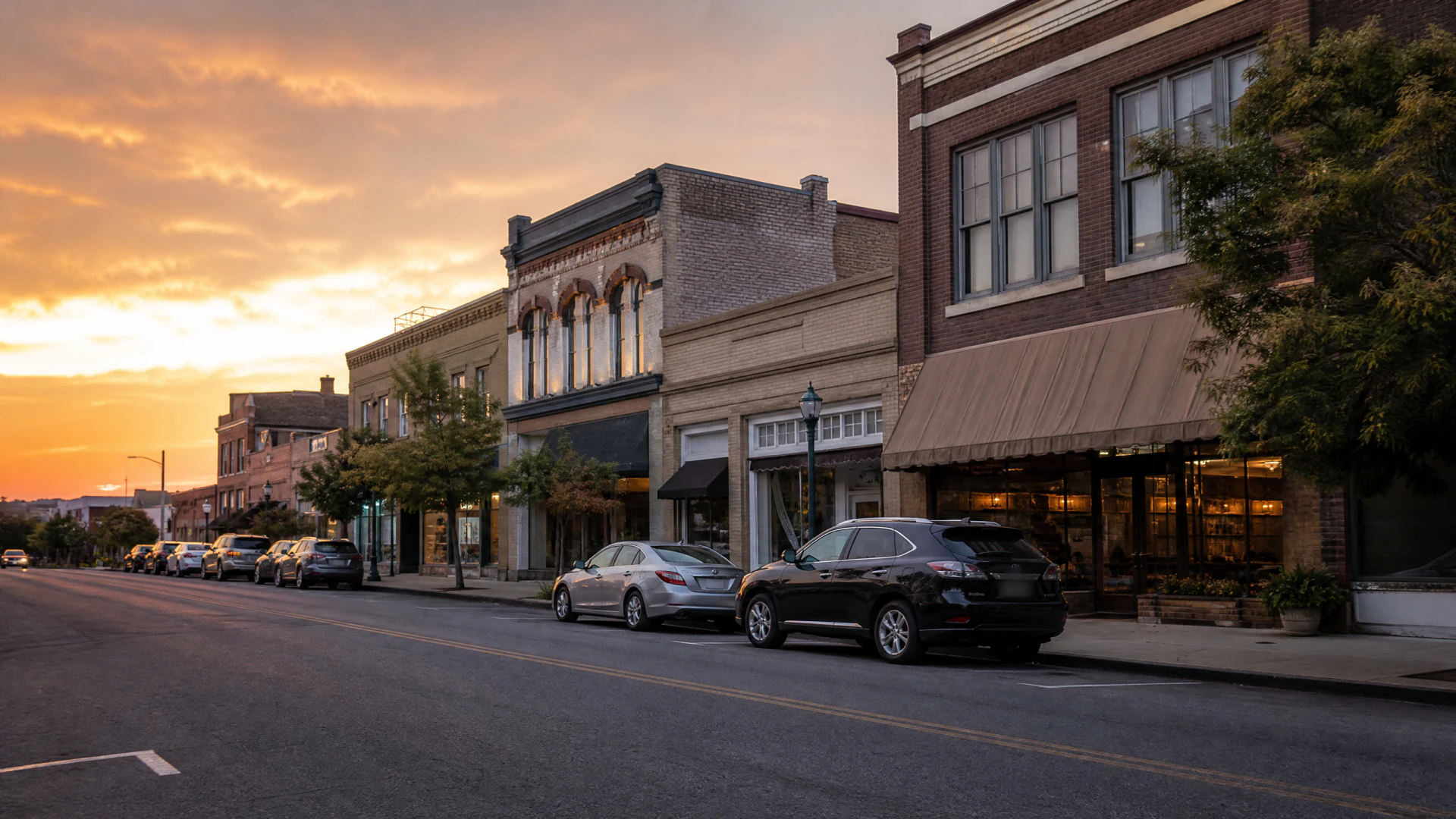
Yes, where you regularly park is one of the factors insurers use to set your rate, because it affects how likely a theft or break-in claim is. A garage, a monitored lot, or a driveway generally signals lower risk than open street parking, especially in denser areas.
This is exactly why your new address and parking situation matter for the policy update you're already making. If you moved into a place with a garage or assigned covered parking, tell your insurer, since it could shift your rate in your favor. If you moved somewhere with less secure parking than before, expect the opposite, and consider whether comprehensive coverage with a reasonable deductible makes sense given that new reality.

Updating your policy for where you actually park now
If you do
Your rate reflects where the car really sits overnight, so comprehensive coverage is priced accurately and a theft claim won't hit snags over mismatched address or parking details. You also find out right away if a garage or secure lot actually lowers your premium.
If you don't
You're paying a rate based on your old parking situation, which could mean overpaying or underpaying for the actual risk. If a theft happens, an insurer who discovers undisclosed details about where you park could complicate or delay the claim.
Now that you know the lot won't cover a theft, compare quotes that price your coverage around where you actually park.
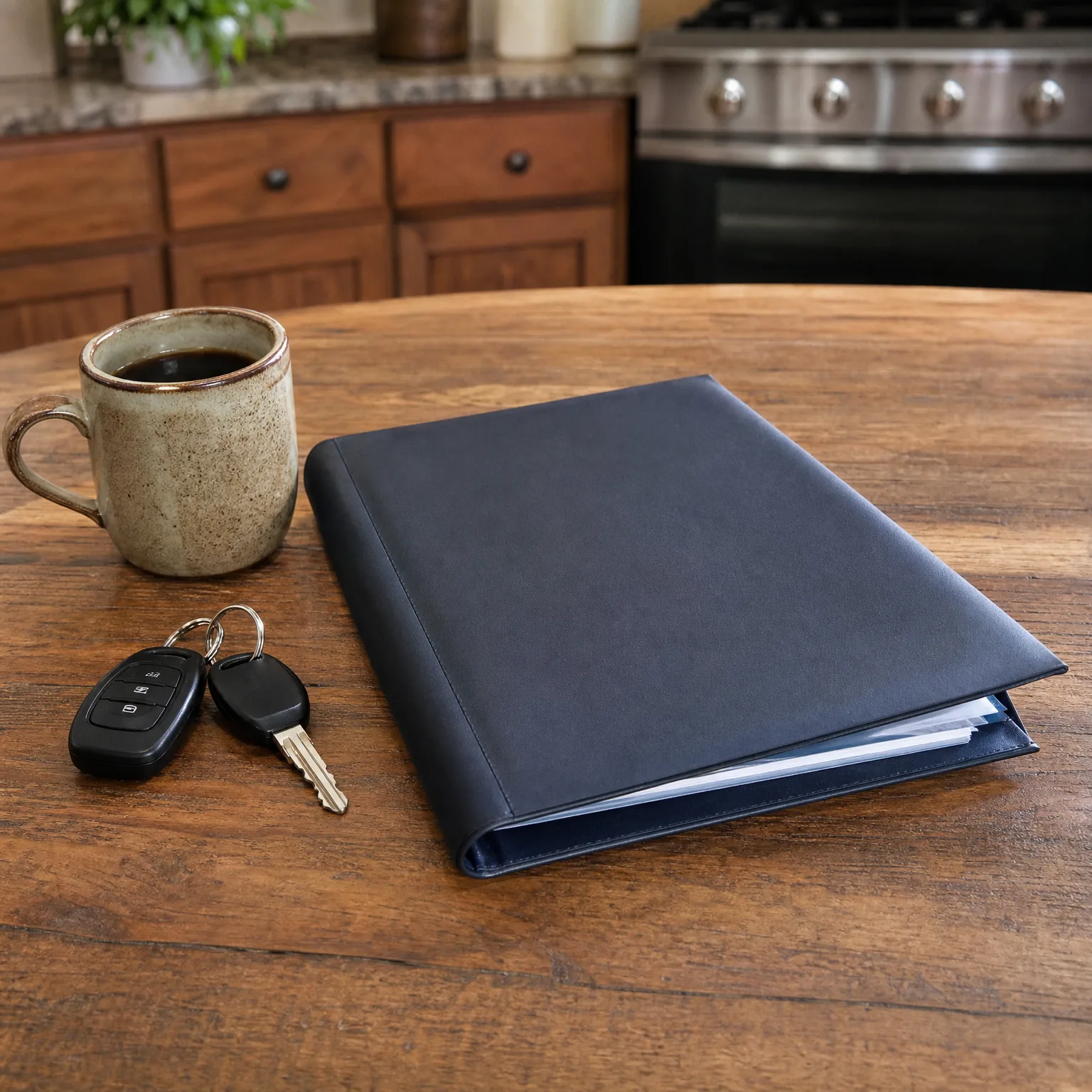
What actually determines who pays after a car is stolen from a lot
- Your comprehensive coverage This is the part of your policy that pays for theft, not liability coverage. If you dropped comprehensive to save money, a stolen car means you're paying out of pocket.
- Posted liability waivers Most lots and garages post signs disclaiming responsibility for theft or damage, and courts generally uphold these. Don't expect a property owner to pay even if their security was weak.
- Proving gross negligence A lot can be held liable only in rare cases involving extreme negligence, like a broken gate they knew about and ignored. This is hard to prove and not something to count on.
- Where you park, rate-wise Insurers factor in typical parking location when setting your premium. Update this when you move, since a garage or secure lot could lower your cost.
- Your deductible choice A lower deductible means less out-of-pocket cost after a theft, but a higher premium now. Weigh this against how exposed your new parking situation actually is.
The lot almost never pays. Your own coverage, matched to where you park now, is what actually protects you.