
Are Minor Scratches Covered by Insurance
Yes, a scratch is covered under your collision coverage, but filing a claim for one rarely makes financial sense.
Coverage exists, but your deductible decides if it's worth using
Collision coverage pays for damage to your car regardless of fault, and a scratch from a shopping cart or a stray branch qualifies the same as a bigger dent. The coverage was never the question. Whether using it makes sense is the real decision, and that comes down to math you can do yourself before you call anyone.
Most scratch repairs cost less than what you'd pay out of pocket to meet your deductible. If the repair estimate comes in under that number, insurance pays nothing anyway and you've spent time on a claim for no money. Even when the repair costs slightly more than your deductible, filing still has a cost. Insurers track claims history, and a claim for cosmetic damage can follow you into your next renewal as a mark against you, even in states where insurers can't raise your rate for a single small claim.
This changes if the scratch isn't really minor. Deep scratches that expose metal can lead to rust, and what looks cosmetic today can become a structural repair later. If the damage came from another driver, that's a liability claim against their policy, not yours, and the math is different because it's not your deductible or your history on the line. Check your state's rules on claim surcharges and how your specific insurer defines an at-fault claim versus a comprehensive one, since a scratch from a falling branch often falls under comprehensive coverage instead of collision, and comprehensive claims are treated differently by many insurers.
The only way to know your real answer is to get a repair estimate first. Compare that number to your deductible before you decide whether this is an insurance question or a pay-it-yourself question.
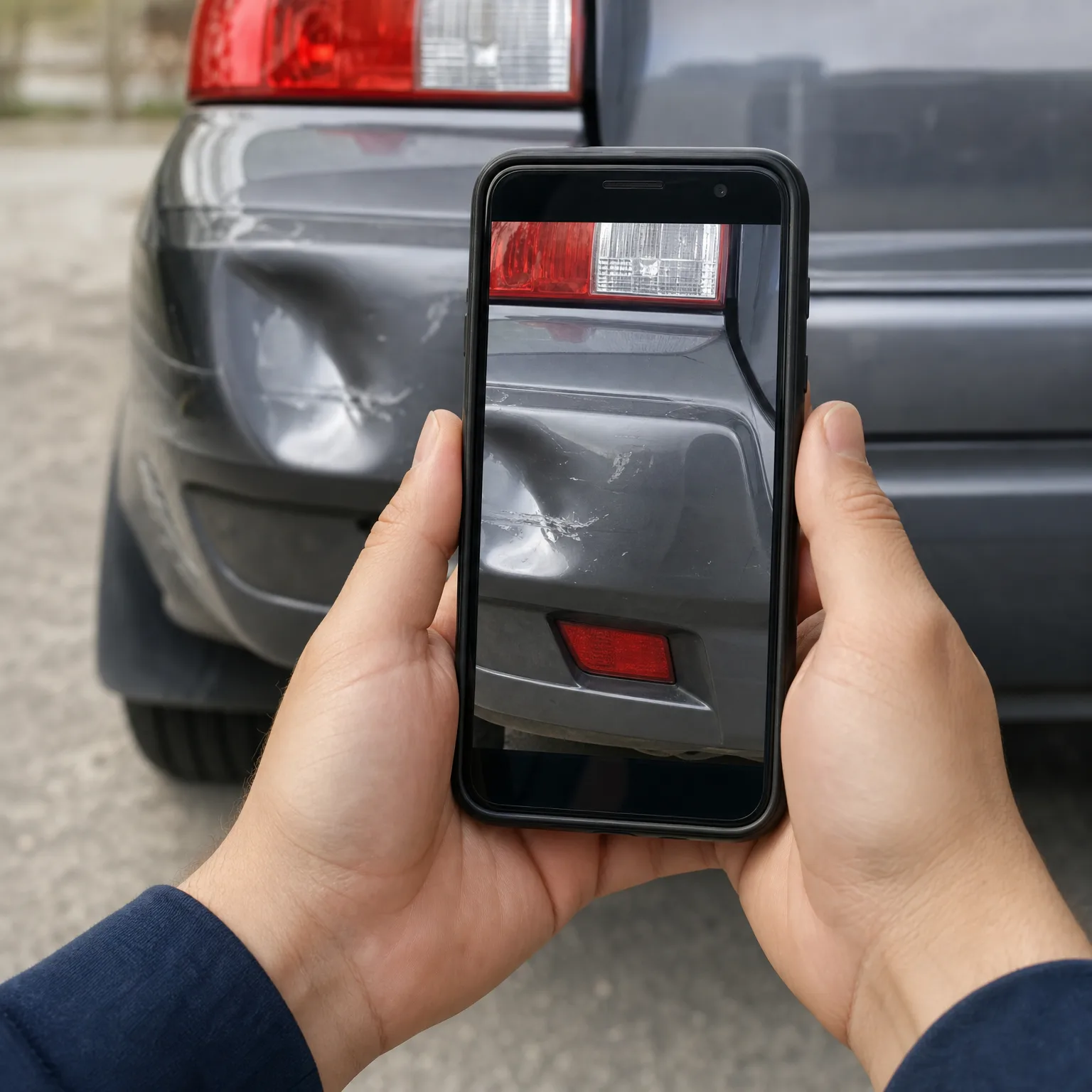
What to check before you decide anything
- Get an estimate first Call a body shop or use an online estimator before contacting your insurer. This number tells you instantly whether a claim could even pay out.
- Know your deductible Your deductible is what you pay before insurance pays anything. If the repair costs less than that, there's no financial reason to file.
- Check who caused it If another driver scratched your car, their liability coverage should pay, not yours. This avoids touching your own policy or deductible at all.
- Ask about claim history Ask your insurer how a small claim affects your file, even if it doesn't raise your rate immediately. Some track frequency over several years.
- Look at scratch depth A surface scratch is cosmetic, but one that exposes bare metal can rust and spread. Get it inspected soon rather than waiting.
A shopping cart scratch in a grocery store lot
Someone comes out to find a long scratch along the rear door, clearly from a cart that rolled into the car while they were inside. No note, no witness, no way to identify who did it. Their first instinct is to call their insurer and file a claim since this is exactly the kind of accidental damage collision coverage is meant for.
Before calling, they get a repair quote from a local shop, and it comes back lower than their deductible. Filing a claim would mean paying the entire repair cost out of pocket anyway, plus having a claim on record for a repair insurance never actually paid for. They pay the shop directly, the scratch gets buffed out, and their policy stays untouched going into next year's renewal. Had the quote come back well above the deductible, the decision would have gone the other way.
Knowing whether this scratch is worth a claim, compare quotes to see if your deductible still fits how you drive.
Will my rate go up if I file a claim for a minor scratch?
It depends on your insurer and your state, but a single small claim often has less impact than people expect, especially if it's your first in years. Some insurers offer accident forgiveness or don't surcharge for low cost claims, while others weigh frequency over time more than any single incident.
The bigger effect is usually on renewal shopping rather than your immediate rate. Insurers you apply to later can see your claims history, and a pattern of small claims can make you look like a higher risk even if no single one was costly. Ask your current insurer directly how they treat minor claims before filing, since this varies enough that guessing isn't reliable. If you're unsure, a quick call to ask hypothetically costs you nothing and gives you a real answer for your specific policy.

Does filing a small claim affect my ability to switch insurers later?
Yes, it can. New insurers see your claims history when you apply, and frequent small claims can make you look riskier even without rate increases from your current insurer. Check how far back claims history is typically reviewed, since this varies, and consider that paying out of pocket keeps your record cleaner if you're planning to shop around soon anyway.
Is a scratch from a shopping cart considered collision or comprehensive?
It depends on how it happened. If another vehicle or object in motion caused it, like a rolling cart, it typically falls under collision coverage. If it happened while the car was parked and something fell or blew onto it, that's usually comprehensive. Check your policy wording or ask your insurer directly, since the distinction affects your deductible and how the claim is classified on your record.
Should I get touch-up paint instead of filing a claim?
For very minor surface scratches, yes, touch-up paint or a buffing kit can fix it for less than any deductible and avoids a claim entirely. This works best when the scratch hasn't reached bare metal. If it has, a professional repair is worth it to prevent rust, and at that point compare the shop's quote to your deductible before deciding how to pay for it.