Are Hail Damaged Cars Usually Totaled
A hail damaged car gets totaled only when repair costs approach or exceed its value, not just because the damage looks bad.
It comes down to a math problem, not how bad the hail looked
Insurers decide to total a car by comparing the cost to repair it against the car's actual cash value right before the storm. Hail damage can cover a huge area of the body and still be cheaper to fix than people expect, because most of it is cosmetic dents rather than structural or mechanical harm. That's why a car that looks devastated in a parking lot can still come back from the shop looking new.
What changes the outcome is the car's value going in. An older car with lower value hits the threshold for totaling much faster, because even moderate repair costs can exceed what the car is worth. A newer or higher value car can absorb a lot of dent repair before the math tips toward a total loss.
The repair method also matters. Paintless dent repair, which pushes dents out without repainting, is often far cheaper than traditional bodywork. If the hail cracked glass, damaged trim, or caused paint damage that needs a full repaint, the cost climbs and a total loss becomes more likely.
State rules and insurer formulas vary on exactly where the total loss threshold sits and how actual cash value gets calculated. Check your policy and your state's total loss rules, since this is one of the places where the process isn't identical everywhere.

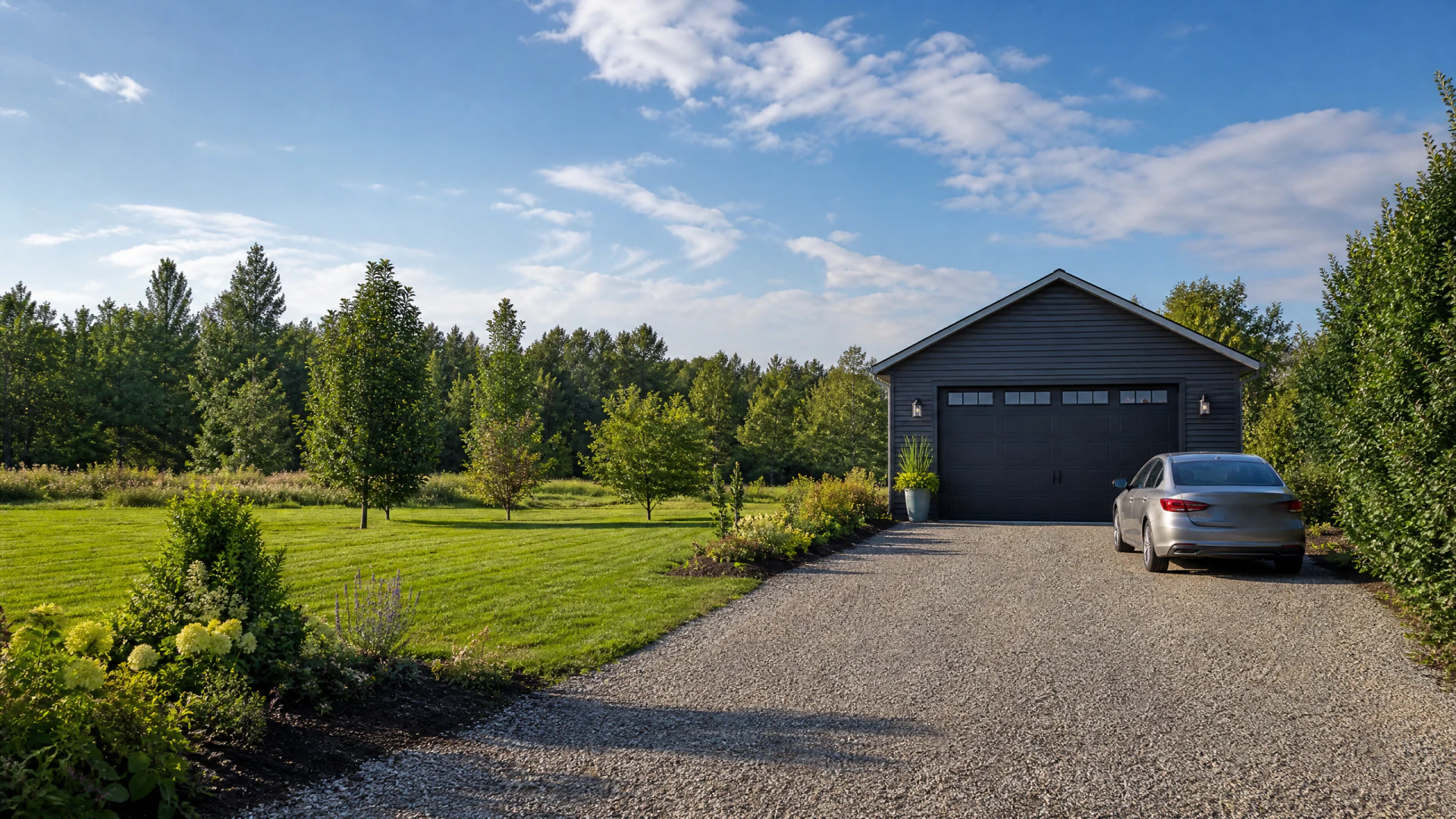
A driveway full of dents after a spring storm
Imagine your car sat outside during a hailstorm and came away with dents across the hood, roof, and trunk, along with a cracked windshield. You file a claim and an adjuster inspects the car, noting the dents are cosmetic but the glass needs full replacement. They estimate repair costs using paintless dent repair for the body panels and standard replacement for the glass.
Because the car was a few years old with moderate value, the estimate comes in well under that value, so the insurer approves the repair instead of totaling the car. The shop finishes the dent work and glass replacement, and you get the car back looking close to how it did before the storm. If the car had been older or the glass damage had extended into the frame, the math could have gone the other way and led to a total loss payout instead.
The real question isn't how bad the hail looks, it's whether your car's value can absorb the repair bill.
Compare quotes now that you understand how hail damage claims actually get evaluated.

Do you get paintless dent repair quotes before assuming a total loss
If you do
You get an accurate, often lower repair estimate, since paintless dent repair is cheaper than traditional bodywork. This can keep your car below the total loss threshold, letting you keep a car you already know instead of starting over with a payout and a new car search.
If you don't
The insurer may default to standard bodywork estimates, which cost more and push the number closer to a total loss. You might end up with a payout that doesn't fully cover a comparable replacement, especially if your car's value was already on the lower side.
How is actual cash value calculated for a totaled car?
Actual cash value is what your car was worth right before the damage, based on things like age, mileage, condition, and recent sale prices of similar cars. Insurers often use market data tools to estimate it. Check your policy for how it defines this value and whether you can dispute the number with comparable listings. The value matters because it sets the entire total loss threshold your repair estimate gets measured against.
Can I keep my car after it's declared a total loss from hail?
Usually yes, through what's called a salvage retention, where you keep the car and the insurer subtracts its salvage value from your payout. Rules and the exact deduction vary by state and insurer, so check before assuming you can simply keep driving it. A car with a salvage title can also affect future insurability and resale value, so weigh that before deciding to keep it.
Does filing a hail damage claim raise my car insurance rate?
Usually not by much, since hail is a weather event outside your control and typically falls under comprehensive coverage rather than an at fault claim. Comprehensive claims generally affect rates less than collision claims do. Still, check with your insurer directly, since rules on claim frequency and rate impact differ by company and by state.