Are Cars Covered Under Homeowners Insurance
No. Homeowners insurance doesn't cover your car, even if the damage happens in your own driveway or garage.
A tree branch through the windshield
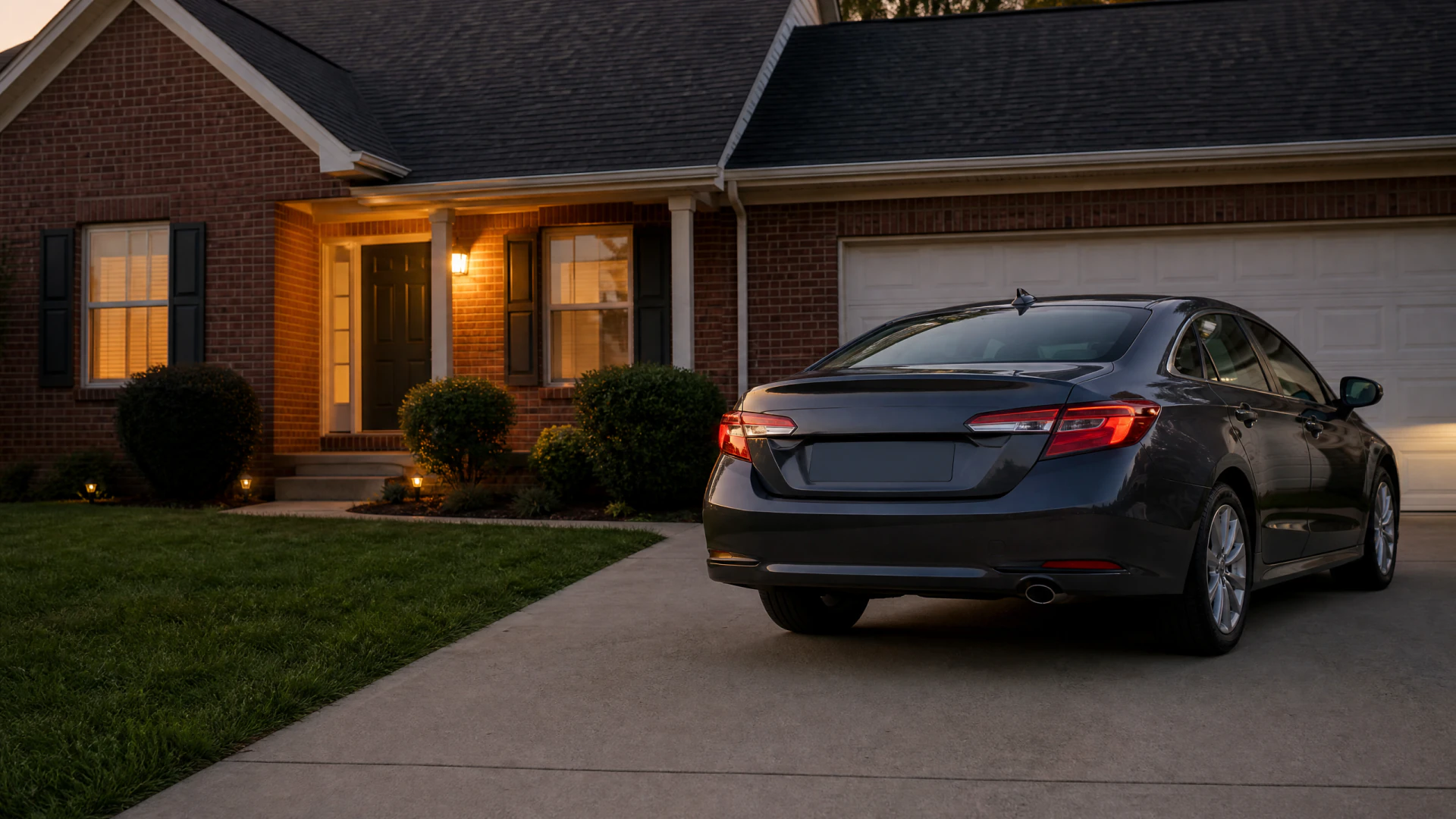
Say a storm knocks a branch off a tree in your yard and it lands on your car parked in the driveway. Your first instinct might be to call your home insurer, since the tree is on your property and the damage happened at your house. That's a reasonable guess, but it's the wrong policy.
The car is the piece that matters here, not the location. Because the damage is to a vehicle, it falls under your auto policy's comprehensive coverage, which handles things like falling objects, weather, and other non-collision events. Your homeowners policy would only get involved if the same branch also damaged your house, your fence, or something else attached to the property. You'd file two separate claims with two separate insurers, each covering only their piece of what happened.
What does homeowners insurance actually cover if not my car?
It covers the structure of your home, the belongings inside it, and your liability if someone gets hurt on your property. Think of it as everything tied to the house itself and the stuff you keep inside, not anything with wheels and an engine.
There's one narrow exception worth knowing. If someone breaks into your car and steals personal belongings, like a laptop or bag, your homeowners policy may cover those stolen items, since they're personal property rather than part of the vehicle. The car's own damage, like a broken window, still falls to your auto policy. Check your specific policy language, since how this exception is handled can vary by insurer.
Whether you treat your car and home policies as separate
If you do
You keep each policy doing its own job. Car damage goes to your auto insurer, home damage goes to your home insurer, and you avoid filing the wrong claim with the wrong company. You also know what each policy protects, which makes it easier to spot gaps when you bundle.
If you don't
You risk assuming coverage exists where it doesn't. Some new homeowners expect broad protection to extend to their car since it sits on their property, then discover after an incident that nothing applies. You could end up paying out of pocket for car damage you assumed was covered.
Now that you know your car needs its own coverage, compare auto quotes to fit your new address and situation.

What to check now that you know the two policies are separate
- Confirm your auto policy details Your car's protection comes entirely from your auto policy, so make sure it reflects your new address and any change in where the car is parked overnight.
- Ask about bundling discounts Many insurers offer a discount when you hold home and auto policies together, even though the coverages stay separate. It costs nothing to ask your current insurers or a new one.
- Review your liability limits Owning a home often means more to protect if you're sued after an accident. Check that your auto liability limits still make sense given what you now own.
- Check garage coverage effects Parking in a garage instead of on the street can lower your comprehensive risk. Tell your insurer where the car is actually kept, since it may change your rate.
- Know the stolen property rule If someone breaks into your car and takes personal belongings, your homeowners policy may cover those items. The car's own damage still falls under your auto policy, so know the line between the two.
Does my auto insurance cover a home break-in through my garage?
No, a break-in through your garage into your house is a homeowners claim, not an auto one. Your auto policy only covers the vehicle itself, not the structure of your garage or anything stolen from inside your home. If the thief also damages or steals from your car while it's parked in the garage, that part would go through your auto policy instead. Check with your insurer about how attached versus detached garages are treated, since that can affect which policy responds first.
Will bundling home and auto insurance actually lower my rate?
Often yes, but it depends on the insurer and your specific situation, so you need to compare actual quotes rather than assume. Bundling discounts exist because insurers want to keep more of your business under one roof, but the discount size and whether it beats shopping separately varies a lot. Get a bundled quote and separate quotes from different insurers, then compare the total cost. Your driving record, location, and the age of your home can all shift which option actually saves more.
Does moving to a new address change my car insurance rate?
Yes, your rate is tied to where the car is regularly parked and driven, so a new address almost always triggers a rate recalculation. Different zip codes carry different risks for theft, accidents, and weather, and insurers price around that. Your commute length may also change, which affects how much you're on the road. Update your address with your insurer as soon as you move, since driving on an outdated policy can even create problems if you need to file a claim.