Why Is My Car Insurance So High All of a Sudden
Your rate likely rose because your address, your risk pool, or your coverage changed, often all three at once.
A couple moves, keeps their old policy, and gets a surprise bill
A couple bought their first home and kept driving on the policy they'd had for years. They didn't call their insurer because nothing about the cars had changed. Two months later their renewal came in noticeably higher, with no accidents, no tickets, and no explanation printed on the bill beyond a new premium amount.
They called and learned the increase traced mostly to their new zip code, which carried a different claims history than their old one, plus the fact that they were still insuring a car that now sat in a driveway instead of a locked garage. Once they added the garaging details and asked about combining the policy with their new homeowners coverage, the insurer adjusted the rate down partway. It didn't return to the old number, but they understood why, and they used that understanding to compare quotes elsewhere with confidence instead of guessing.
Will my rate go back down once I update my address?
Not necessarily, and that's worth knowing before you call expecting a full reversal. Updating your address corrects the rate so it reflects where you actually live and drive, but if your new area simply carries more risk than your old one, the corrected rate may still be higher than what you paid before. That's not a penalty, it's accuracy.
What updating does guarantee is that you're paying for the right thing. An outdated address can also cause real problems beyond cost, including claim disputes if your insurer argues you weren't accurately rated. So update it regardless of which direction the number moves, then use that accurate number as your baseline when you compare other quotes.
Now that you know what's driving the increase, compare quotes using your updated address and coverage as the baseline.

Check these before you accept the new price
- Your address on file If you moved and haven't told your insurer, your old rate was never accurate to begin with. Update it immediately, even if you expect the number to go up.
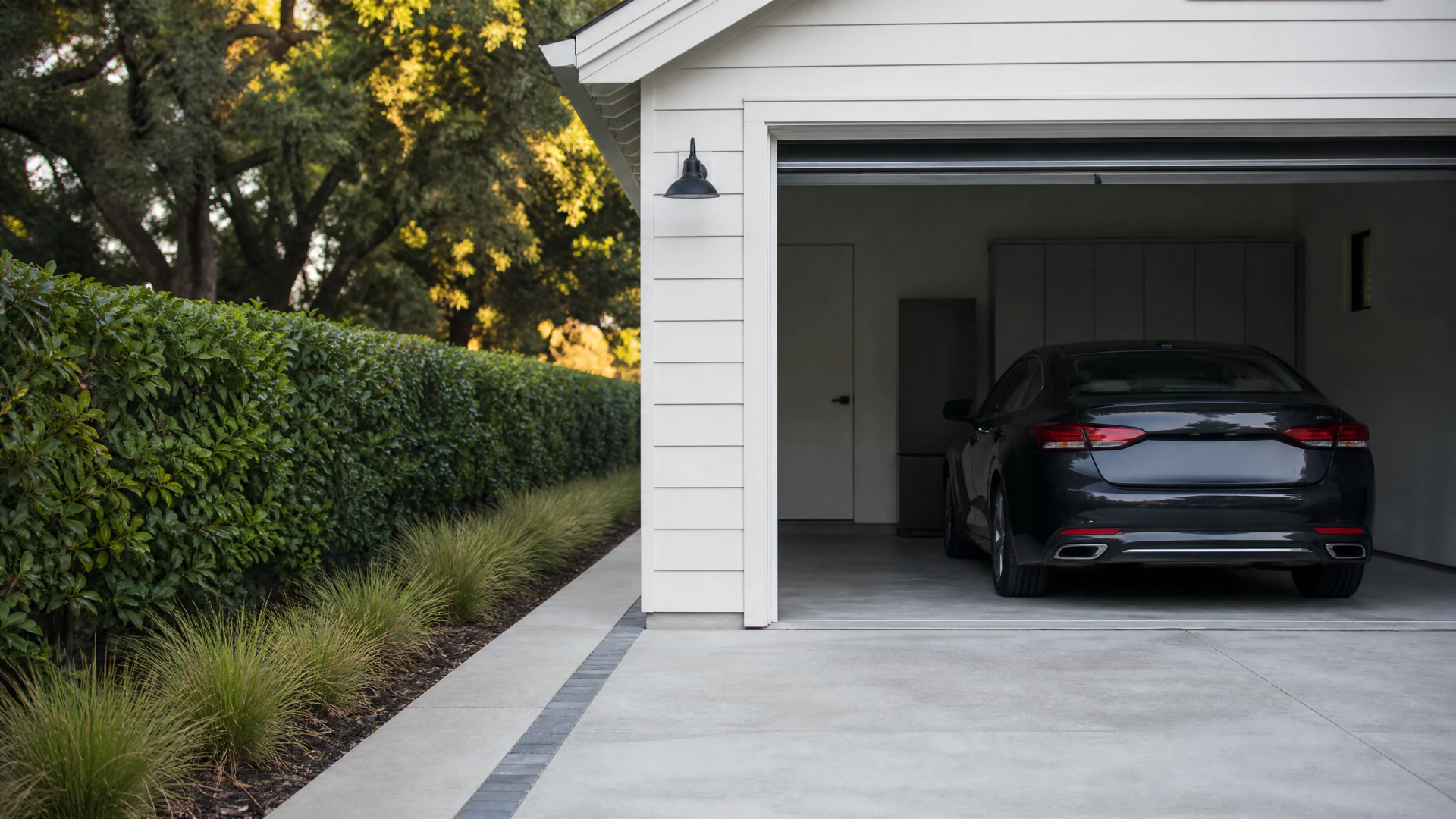
- Where the car actually sleeps A car parked on the street rates differently than one in a garage. Tell your insurer the real situation so the price reflects it correctly.
- Your coverage limits Limits set years ago may no longer match what you'd need to replace today. Ask what raising them would cost before assuming lower limits are the fix.
- Bundling with your home policy Combining auto and home coverage with one insurer often lowers both bills. Ask for a bundled quote and a separate quote so you can compare the actual difference.
- Whether you've shopped recently Rates drift upward over time even without a move. If it's been a few years since you compared insurers, do it now instead of assuming your current one is still competitive.
Your rate reflects where and how you live now, not where you used to
Insurance pricing is built around risk, and risk is tied heavily to place. Where you live affects how often claims happen nearby, how expensive repairs and medical care tend to be in that area, and how likely theft or severe weather is. When you move, even a short distance, you can cross into a different rating area entirely, and your insurer recalculates based on that new reality rather than your old one.
A second factor is what changed around the car itself. Garaging a car, meaning where it's parked overnight, matters because exposure to theft and weather damage differs between a locked garage and an open driveway or street. If you didn't update that detail when you moved, your insurer may have been pricing you either too generously or not generously enough, and a correction shows up as a sudden shift.
Third, buying a home often triggers a broader look at your coverage. Lenders require homeowners insurance, and that process sometimes prompts people to reconsider auto limits too, especially if a financial advisor or the home purchase itself made them realize their old limits were thin. Raising limits raises price, but it also closes a gap that was quietly there before.
Where this plays out differently is by state and by insurer. Some states limit how much location can affect pricing, others allow it fully, and insurers vary in how much weight they put on garaging versus other factors. That's why the same move can raise one person's rate sharply and barely touch another's, even in a similar market. Check your state's rules and ask your insurer directly what weight they give each factor.
Does bundling home and auto insurance actually save money?
Often yes, but not guaranteed, so get both a bundled quote and separate quotes before deciding. Bundling discounts vary by insurer and by how they price each line separately. Check whether the combined price beats your best separate options, not just whether a discount is offered, since some insurers price the individual policies higher to make the bundle look better.
Should I raise my coverage limits now that I own a home?
Many people do, because owning assets gives you more to protect if you're found at fault in an accident. Higher limits cost more but reduce the chance a serious claim exceeds your coverage and exposes your home or savings. Check your state's minimum requirements and your own asset picture to decide how much higher makes sense for you.
How often should I compare car insurance quotes?
Checking once a year, or after any major life change like a move, is a reasonable rhythm for most people. Rates drift even without anything changing on your end, since insurers adjust pricing based on broader claims trends. If your last comparison was more than a year ago, or you just moved, that's a clear signal to check again now.