Who Needs Umbrella Insurance Most
If you now own a home and have savings worth protecting, you likely need umbrella coverage more than you did before.
A driveway backup that could have cost everything
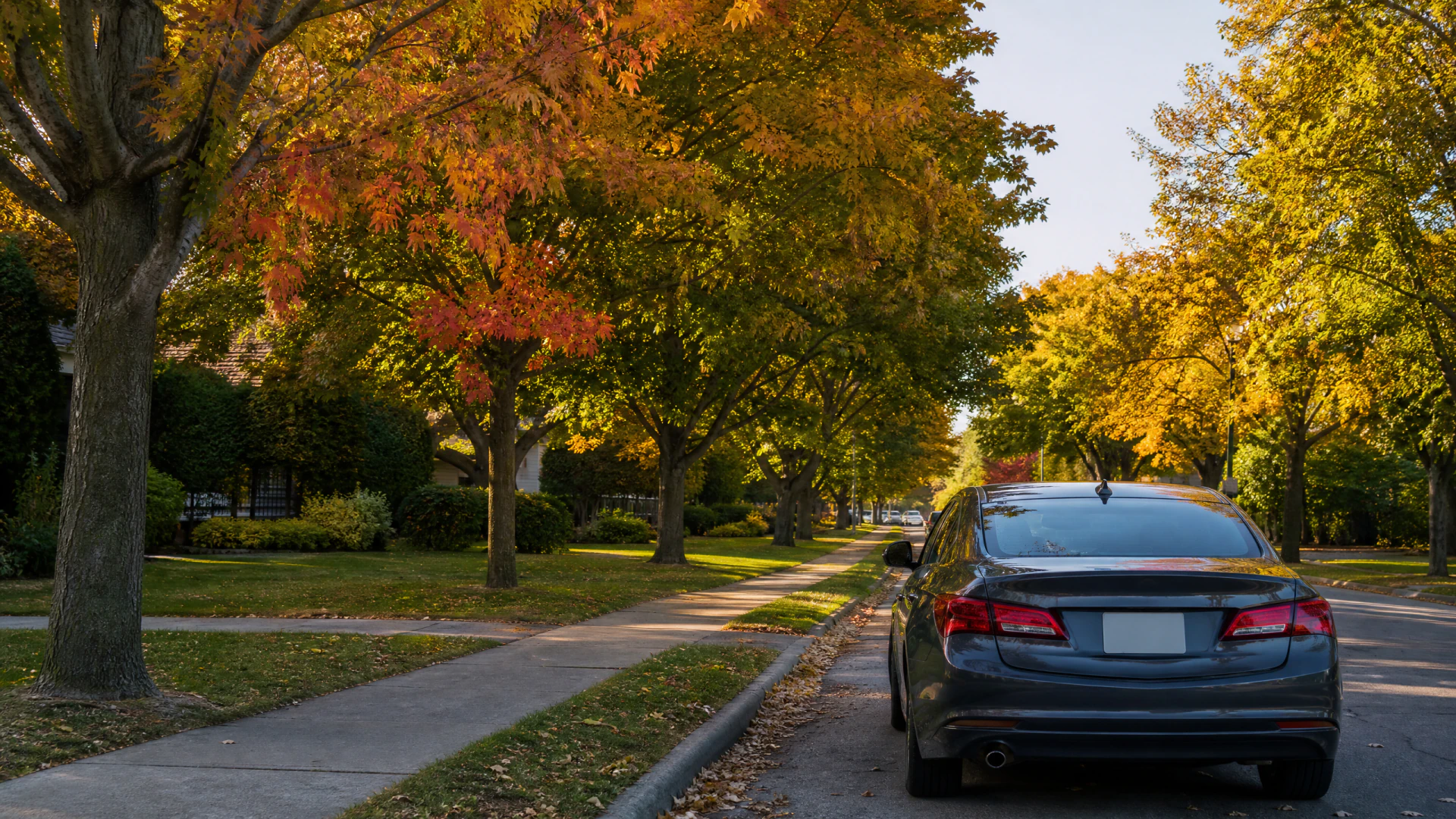
You're backing out of your new driveway on a quiet street and don't see a kid on a bike coming the other way. The injuries are serious, there are medical bills, lost wages, and a lawsuit that follows. Your car insurance liability limit covers part of it, but the claim goes well past that number, and now your house and savings are the next target because the judgment doesn't stop just because your policy did.
If you'd added an umbrella policy when you bought the house, it would have picked up exactly where your car insurance left off, covering the rest of the judgment instead of your bank account covering it. That's the gap umbrella coverage exists to close. People who just bought a home often have more to lose than they did as renters, and this is the moment that gap actually matters, not some abstract future risk.
How much umbrella coverage do I actually need?
The honest answer is enough to cover what you'd lose if someone sued you for everything you own, plus what you could reasonably earn in the future. That's uncomfortable to calculate exactly, but a rough total of your home equity, savings, investments, and other assets gives you a floor to start from.
Most insurers sell umbrella coverage in set tiers, so you're choosing the next tier up from your asset total rather than picking an exact number. If you have a lot of assets or a higher risk of being sued, a teenager driving, a dog with a bite history, a pool, you lean toward more coverage. If your assets are modest, a smaller policy may fully cover you, and the cost difference between tiers is usually small enough that rounding up is reasonable.
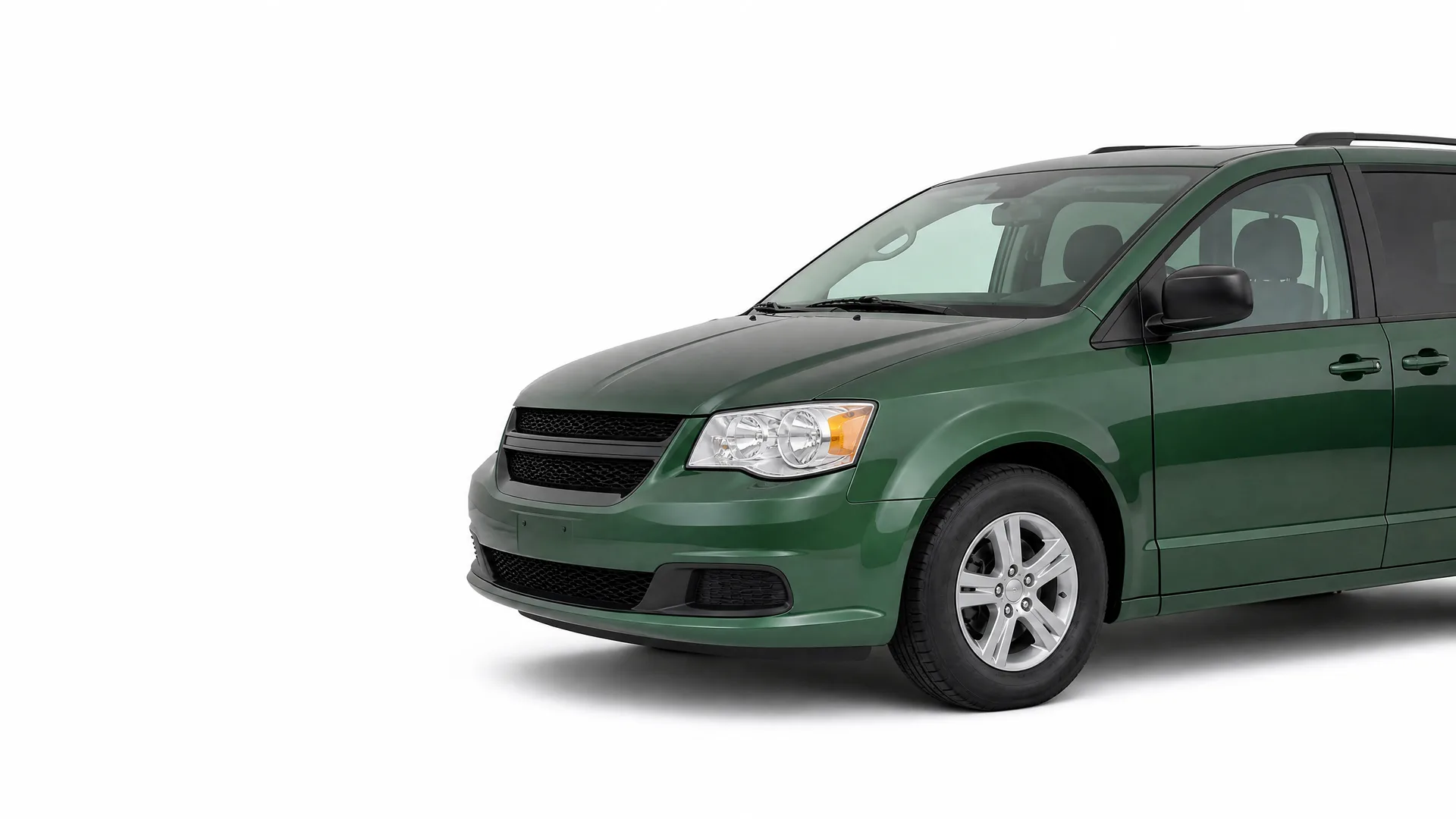
The risk isn't that you'll cause an accident. It's that your current coverage stops before a bad one does.
Once you know how much umbrella coverage fits your situation, compare quotes to see what adding it actually costs.

Adding umbrella coverage once you own a home
If you do
Your underlying car and home liability limits get backed up by a much larger safety net. A lawsuit that exceeds those limits doesn't automatically reach your savings or your home equity. You pay a bit more each year, but a single bad claim can no longer undo years of homeownership and saving in one event.
If you don't
Your liability protection stops at whatever limit your car and home policies carry. If a claim or lawsuit goes past that number, you're personally responsible for the rest. That risk sits quietly in the background until the one time it doesn't, and by then the coverage decision is already made.
Does umbrella insurance cover my home insurance too, not just car accidents?
Yes, umbrella coverage sits on top of both your home and car liability limits, not just one or the other. It applies whenever you're found liable for injury or property damage above what either underlying policy covers, whether that's a car accident, a dog bite, or a slip and fall at your house. Check your policy's list of covered situations, since some have exclusions for specific risks like certain dog breeds or business activities at home. If your umbrella policy excludes something your underlying policies cover, that gap is worth asking your insurer about directly.
Do I need umbrella insurance if I don't have a lot of money saved yet?
You can still be sued for more than you currently own, since judgments can include future wages, not just existing assets. If you're early in building savings but have steady income or career growth ahead, that future earning potential is part of what's at risk in a lawsuit. Umbrella coverage is often inexpensive relative to the protection it offers, so the cost of waiting until you have more saved may not be worth the exposure in the meantime. Check actual pricing before assuming it's unaffordable.
Will buying umbrella insurance raise my car or home insurance rates?
No, adding an umbrella policy doesn't raise the rates on your existing car or home policies. It's a separate policy that sits above them, priced on its own based on your coverage amount and risk factors. Many insurers require you to carry certain minimum liability limits on your underlying policies before they'll sell you umbrella coverage, so you may need to raise those limits first, which could change your current premiums. Check with your insurer about their specific underlying limit requirements before assuming your current policy already qualifies.