What Is the Cheapest Way to Insure Two Cars
Putting both cars on one policy, under the right address and limits, is almost always cheaper than insuring them separately.
A couple settles two cars under one policy
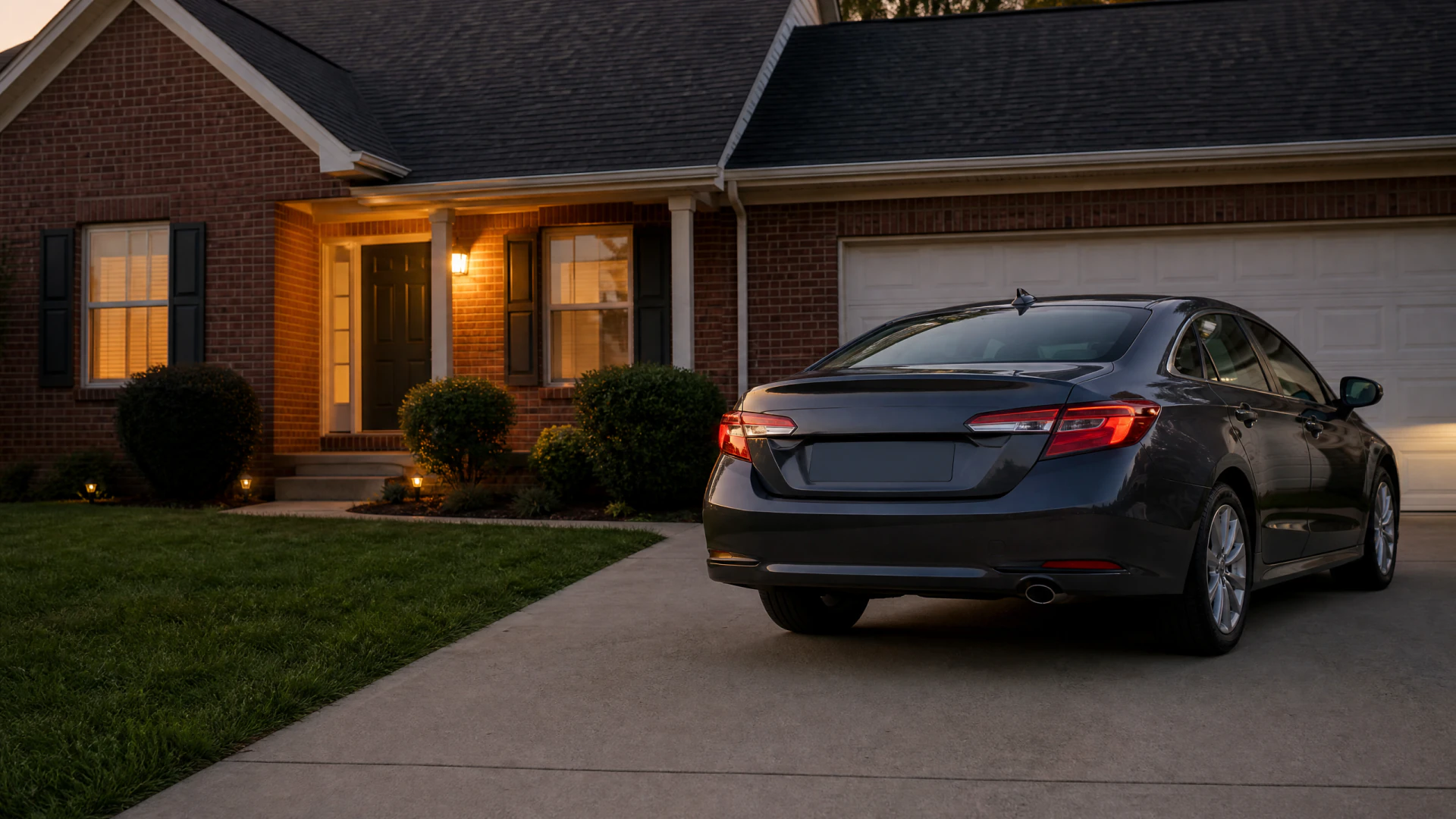
A couple moved into their first house with two cars still insured on separate policies from before they lived together. One car was on an older policy from a previous apartment, the other had been added when one of them changed jobs and needed a different commute. Neither policy reflected the new address or the fact that both cars now sat in the same garage every night.
They called their insurer, gave the new address, and asked what combining the two cars under one policy would do to the price. Because both cars were now garaged at a lower-risk address and qualified for a multi-car discount, the combined policy came in lower than the two separate ones added together. They also mentioned the home policy their lender required, and bundling that in dropped the price further. The whole move took one phone call and a few minutes confirming details, and it answered the question they'd been putting off since closing.
Does it matter who is listed as the primary driver on each car?
Yes, and it can change your price more than people expect. Insurers usually ask you to assign a primary driver to each vehicle, and they price that car partly based on that person's driving history and how much they drive it.
If one of you has a cleaner record or drives less, put that person on the car that's driven more, since the assignment affects the rate for that specific vehicle. If only one of you drives, say so clearly rather than listing both as primary drivers on every car. Getting this wrong doesn't void your coverage, but it can mean you're paying more than you need to for no reason.

Combining both cars onto one policy now
If you do
You give your insurer the new address, list both cars together, and ask about multi-car and home bundling discounts. Most people see the combined price come in lower than two separate policies, and they only have to manage one renewal date, one declarations page, and one customer service relationship going forward.
If you don't
You keep paying two separate base rates and miss the multi-car discount most insurers offer automatically once both vehicles are on the same policy. You also have two renewal dates to track, two sets of paperwork, and no one checking whether your new address already changed what you should be paying.
Now that combining both cars under one policy is the cheapest path, compare quotes to see what that looks like for you.
What actually changes your price when insuring two cars
- One policy, not two Putting both cars on a single policy almost always costs less than two separate ones. Call your current insurer first and ask them to combine the vehicles before you shop anywhere else.
- New zip code, new rate Your old policy was priced for your old address, not this one. Update it immediately, since your new zip code could lower or raise what you pay regardless of anything else you do.
- Garage parking helps A car parked in a garage overnight is considered lower risk than one parked on the street. Tell your insurer where each car actually sleeps, since this detail is easy to forget to mention.
- Bundling with your home policy Combining your new homeowners policy with your car insurance at the same company often unlocks a further discount. Ask for a bundled quote before assuming separate policies are simpler or cheaper.
- Matching limits across both cars Insuring two cars at different coverage levels rarely saves money and can complicate claims. Set both cars to the same liability limits unless one car's value clearly calls for different physical damage coverage.
Why combining and updating beats shopping around alone
Insurers price risk, and a household with two cars at one address is a different risk profile than two separate policyholders each insuring one car. When you combine them, the insurer has more information about your household, which usually works in your favor, especially if both cars are garaged and both drivers have reasonable records. That's the main reason multi-car discounts exist at all.
Your address change matters just as much, sometimes more. Insurers price by zip code because claims data varies by location, accounting for things like traffic density, weather, and local repair costs. Moving from an apartment in one area to a house in another can shift your rate in either direction, and that shift happens whether or not you combine your policies. Skipping this update means you're paying a rate calculated for a place you no longer live.
Bundling with a home policy works on a similar principle. Insurers want to keep more of your business under one roof, so they often price a bundle lower than the sum of its separate parts. This isn't universal, some insurers specialize in one type of coverage and don't offer meaningful bundling discounts, so it's worth checking whether your specific insurer rewards it.
Where this gets more complicated is when the two cars have very different values or when only one person has a strong driving record. In those cases, splitting coverage levels between the two cars, rather than matching them exactly, sometimes saves more than keeping everything identical. The right move depends on specifics your insurer can walk through with you, like each car's value and each driver's history, so treat combining and updating as the first step, not the only one.
Should I put both cars on the same insurer or shop them separately?
Keep both cars with the same insurer whenever possible, since separating them forfeits the multi-car discount entirely. The only reason to split them is if one insurer refuses to cover a specific vehicle, like a high-value car or one with a modification, in which case you'd insure that one elsewhere and keep the other on your main policy.
Does adding a second car to my policy affect my home insurance rate?
No, your car and home coverage are priced separately even when bundled, so adding a car doesn't change your home premium. What bundling does is apply a discount to one or both policies for holding them together, check your policy documents or ask your insurer directly to see exactly how that discount is structured for you.
How often should I re-shop my combined policy after settling in?
Check your rate at each renewal, since prices shift even without you changing anything. Life changes worth re-checking against include a change in commute distance, a new driver added to the household, or a paid-off car loan that removes a lender's coverage requirement, any of these can change what combination of coverage actually saves you the most.