What Is the Car Insurance Renewal Process
Your insurer reviews your policy before the term ends and automatically rolls it forward at a new price unless you or they stop it.
A new address and a renewal arriving at once
A couple moved into their first home in spring, and their car policy happened to renew two months later. They hadn't touched the policy since buying it years earlier, so it still listed their old apartment and old commute. When the renewal notice came, the new premium was higher than expected, and nothing on it mentioned the move because they hadn't reported it yet.
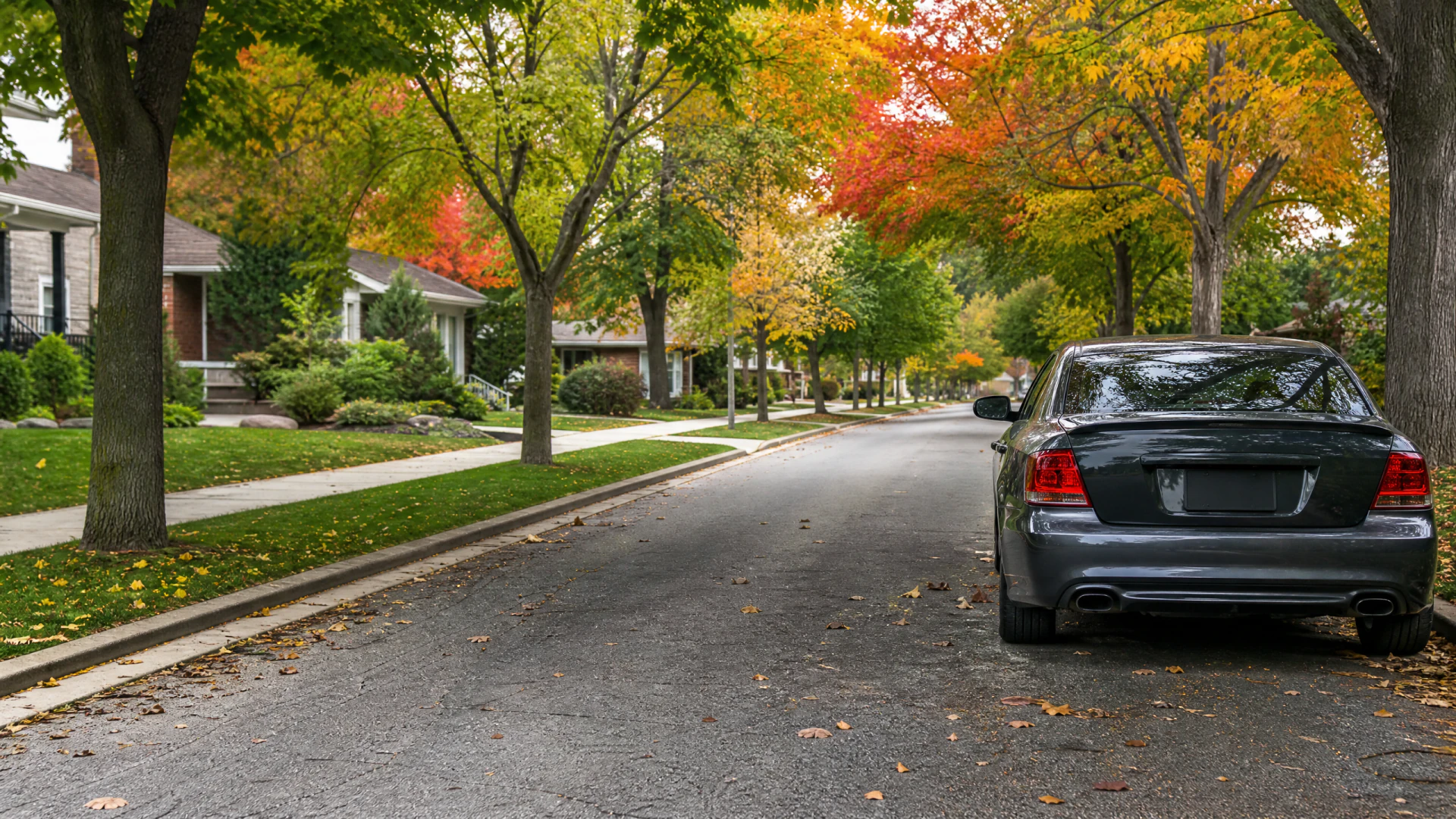
They called the insurer, updated the address and parking situation, and asked how that changed the renewal price before accepting it. The new zip code actually lowered part of the cost since the car now sat in a garage overnight instead of street parking. They also asked about combining the policy with their new homeowners coverage, got a revised number, and compared it against two other quotes before the renewal date. They ended up staying with the same insurer, but only after confirming the price reflected their actual situation instead of outdated details.
Will my rate go up at renewal just because I own a home now?
Not directly, but the move that came with it might change things. Insurers price renewals based on where the car is kept, how it's used, and details tied to your address, not on whether you own or rent.
If your commute, parking situation, or zip code changed, that gets reflected whether you updated it yourself or the insurer caught it later. The home purchase itself doesn't factor in, but everything that came with it can. The safest move is reporting the change yourself before renewal, so the new price is based on accurate information instead of a guess or an outdated file.

The renewal price isn't fixed until it's issued, so updating your details early can still change it.
Once you know what your renewal should reflect, compare quotes to see if your insurer still has the best price.
What actually happens during a renewal
- The insurer reviews your file Before your term ends, the insurer looks at your driving record, claims, and any details on file. Check your renewal notice against what's actually true about your car and address.
- A new premium gets calculated The price resets based on current risk factors, not your original signup price. Ask for a breakdown if the new number surprises you.
- Coverage continues automatically Most policies roll forward unless you cancel or switch. Decide before the renewal date, not after, so you're not paying for a policy you didn't mean to keep.
- Unreported changes catch up A new address, garage, or commute gets factored in once it's on file, even if you reported it mid-term. Update your details early so the renewal price isn't based on old information.
- Bundling gets reconsidered here Renewal is a natural moment to add your home policy to the same insurer. Ask for a combined quote before the renewal processes, since it's harder to apply retroactively.

Do I have to do anything if I want my policy to renew as is?
No, renewal happens automatically unless you cancel or switch insurers. But automatic doesn't mean unchanged, since the price and terms can shift even if you take no action. It's worth reading the renewal notice closely, because accepting silently means accepting whatever changes were made, including any price increase tied to your claims history, address, or coverage adjustments the insurer made on their own.
Can I negotiate my renewal price before it takes effect?
Yes, many insurers will adjust a renewal quote if you ask before it processes. This works best when you have specific reasons, like a corrected address, a lower-risk parking situation, or a competing quote in hand. Call before the renewal date, not after, since some insurers won't revisit a price once the new term has already started. Having a comparison quote ready makes the conversation more concrete.
What happens if I miss my renewal date without responding?
In most cases, coverage either lapses or auto-renews, depending on your insurer and state rules, so check which applies to you. A lapse can affect future pricing even with a new insurer, since gaps in coverage are often treated as a risk factor. If you're unsure which way your policy defaults, call before the date passes rather than assuming it will quietly continue.