
What Is the Best Deductible Amount for Car Insurance
The best deductible is the highest amount you could pay out of pocket today without it hurting, nothing more.
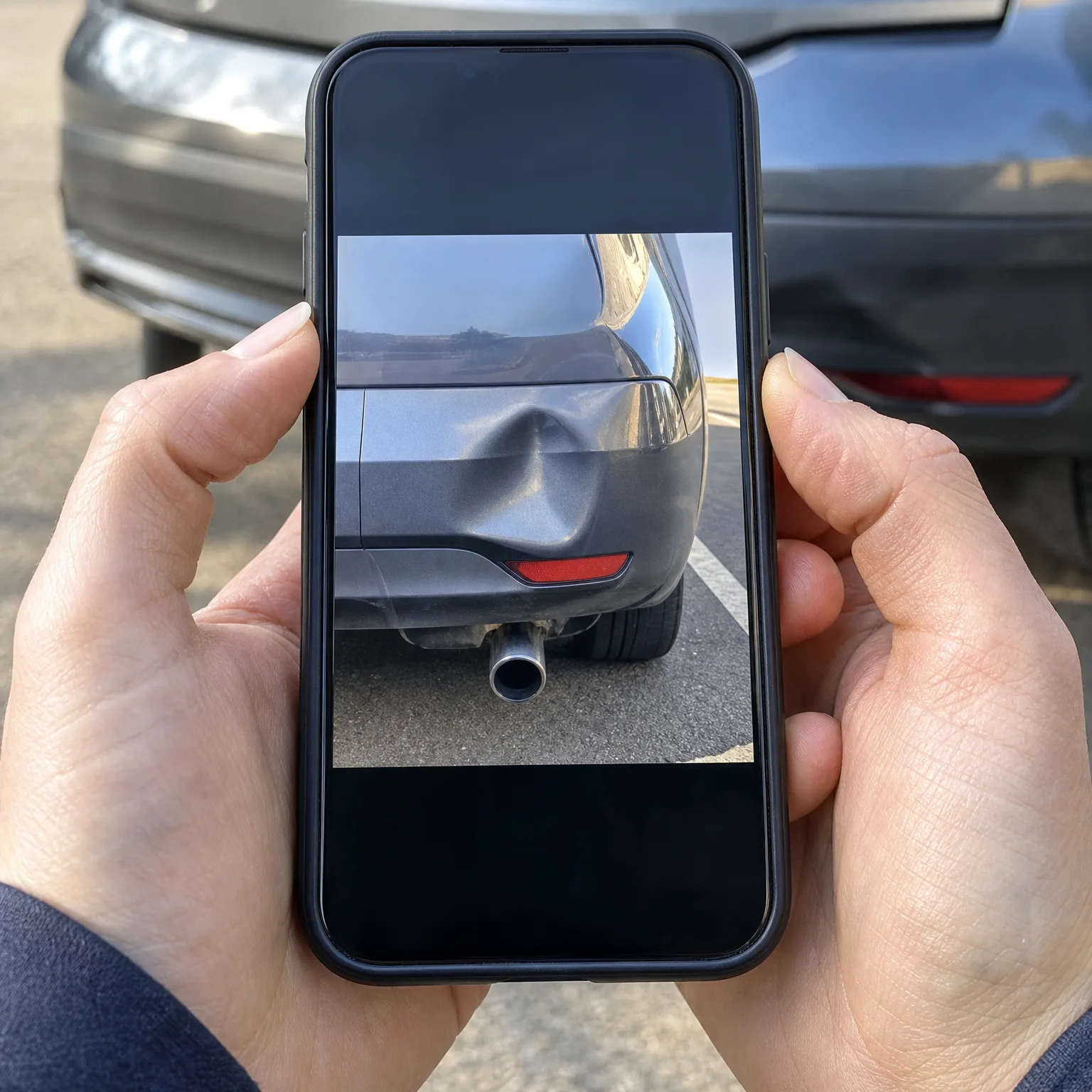
What actually decides the right number for you
- Your emergency savings Your deductible should never exceed what you could pay today without borrowing. Check your savings account before you pick a number, not after a claim.
- How often you'd actually claim A higher deductible only pays off if you rarely file small claims. Think honestly about your driving and your tolerance for risk before raising it.
- The size of the premium gap Raising your deductible only helps if the savings are meaningful. Ask for quotes at two or three deductible levels so you can see the real difference.
- Matching home and auto If you bundled your home and car policies, your deductibles don't need to match. Set each one based on what that specific risk would cost you, not out of habit.
- Your new driving pattern A new commute or garage changes how often you're exposed to risk. Reconsider your deductible now instead of carrying over an old decision.

A couple raising their deductible after the move
A couple who had just bought a house were paying a low deductible they'd chosen years earlier, back when they had less saved and a longer commute through a busier area. After the move, their commute shortened and one car now sat in a garage overnight. They called for new quotes and asked specifically what their premium would look like at a higher deductible.
The difference was large enough to matter, and they checked their savings account to confirm they could cover that higher amount without strain. They raised the deductible on both cars, kept the home policy's deductible separate since it covered a different kind of risk, and used part of the premium savings to raise their liability limits instead, since that mattered more to them now that they owned property. A few months later a minor parking lot dent came up, and they paid it themselves without filing a claim, exactly as they'd planned.
Should my deductible be the same for both cars?
Not necessarily. It should match how each car is actually used and what you could afford to pay if that specific car were in an accident.
If one car is driven far more, sits outside instead of in a garage, or is older and cheaper to repair, it makes sense to set its deductible differently. A car worth very little might not need comprehensive or collision coverage at all, which makes the deductible question moot for that car. Ask your insurer to quote each vehicle separately so you're not guessing. The right setup often looks slightly different car to car, especially after a move changes how each one gets used.
Now that you know what deductible fits your savings, compare quotes at that level to see who rewards it most.

Raising your deductible to lower your monthly payment
If you do
Your premium drops, often noticeably, and stays lower every month going forward. If you file a claim, you'll owe more upfront before coverage kicks in. This works well if you have steady savings and rarely file small claims, turning predictable monthly savings into real money over time.
If you don't
Your premium stays higher, but a claim costs you less out of pocket right away. This suits you if your savings are thin or unpredictable, or if you'd rather pay steadily now than risk a larger bill later after an accident you didn't plan for.
Does raising my deductible affect my ability to bundle home and auto?
No, bundling and deductible choice are separate decisions. Bundling is about combining policies with one insurer for a pricing break, while your deductible is about how much risk you personally take on per claim.
You can bundle and still choose different deductibles for your home and your cars. Check with your insurer whether bundling requires any minimum coverage levels, since that varies, but the deductible itself is yours to set independently on each policy.
How do I know how much I could actually afford if I had to pay my deductible today?
Look at your accessible savings, not your total net worth tied up in the house. Count only money you could use within a few days without selling something or missing a mortgage payment.
If that number comfortably covers a higher deductible, raising it is reasonable. If it would strain your budget or dip into money earmarked for the mortgage, keep the deductible lower until your savings grow. Recheck this every year or after any major expense, since what you can afford shifts over time.
Will changing my deductible affect my rate if I move again later?
Yes, moving can change your rate independently of your deductible, since location affects risk calculations on its own. Your deductible choice stays yours to keep or adjust, but the premium attached to it will shift based on the new address.
When you move again, get new quotes at your current deductible level first, so you can see the location effect clearly, then decide if adjusting the deductible still makes sense in the new rate environment. Don't assume the same deductible will produce the same savings in a new zip code.

Your deductible isn't about predicting accidents, it's about what you can hand over tomorrow without stress.