
What Is More Expensive Collision or Comprehensive
Collision almost always costs more than comprehensive, because it covers the crashes you're statistically more likely to have.
Collision costs more because it covers the claims that actually happen
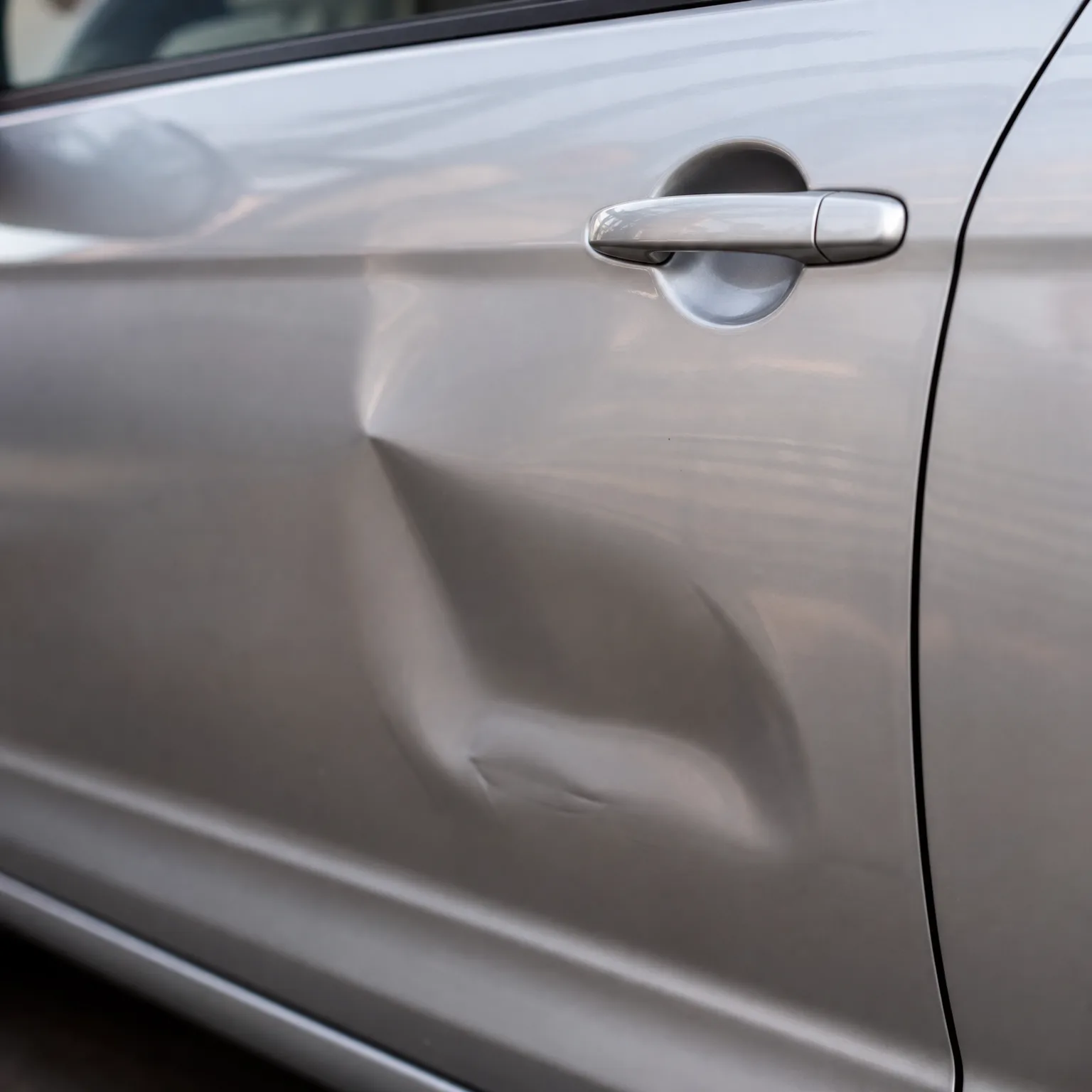
Collision pays when your car hits something or something hits it, regardless of fault, and those claims are common and often expensive to fix. Comprehensive covers everything else, things like weather, theft, animals, and falling objects, which happen less often and in many cases cost less to repair. Insurers price coverage based on how likely a claim is and how much it typically costs, so the coverage tied to more frequent, pricier claims carries the bigger share of your premium.
Your own driving history affects this directly. If you've had accidents or tickets, collision costs will reflect that in a way comprehensive usually doesn't, since comprehensive claims aren't really about how you drive. This is part of why two people with identical cars can see very different splits between the two.
Where you live changes the picture too. A garage can lower comprehensive cost by reducing exposure to weather and theft, and your new zip code factors in because local accident rates, severe weather patterns, and theft rates all get priced in differently. None of this is uniform across insurers, so what counts as a meaningful discount for a garage or a safer area varies company to company.
There are cases where comprehensive actually costs more, usually when someone lives somewhere with frequent hail, flooding, or high theft rates and also has a clean driving record. If that sounds like your situation, it's worth asking directly rather than assuming collision wins by default.
Should you drop collision or comprehensive to save money now?
Dropping either one is really a decision about what you can afford to pay out of pocket if something happens, not just a way to lower your bill. If your car is paid off and not worth much, dropping collision is a common move since the payout in a crash may be small anyway. Comprehensive is usually cheaper to keep since it protects against things like theft or weather that are harder to plan around financially.
If you still have a loan on the car, your lender almost certainly requires both, so this choice may not be yours to make yet. Check your loan agreement before you change anything, since dropping required coverage can violate it even if your insurer allows the change on their end.

Deciding whether to carry both collision and comprehensive
If you do
You're covered whether the damage comes from another driver, a deer, hail, or a break-in. Your premium reflects both coverages, with collision usually the larger part. If your car is financed, this is likely required anyway, so you're not really choosing, just confirming the coverage matches what your lender needs.
If you don't
Dropping one, usually collision on an older paid-off car, lowers your premium but means you'd cover crash repairs yourself. If you dropped comprehensive instead, you'd be exposed to theft or weather damage, which can be unpredictable and costly. Either way, check what your car is worth before deciding.
Now that you know which coverage matters more, compare quotes to see how insurers price that balance.
A new homeowner with a garage and an older car
Say you just moved and now park in an attached garage instead of on the street. Your car is eight years old, paid off, and you're reconsidering your coverage now that you're also paying a mortgage and a new homeowners policy. You check your policy and see you're paying for both collision and comprehensive, split in a way that puts more cost on collision.
You call your insurer and ask what each coverage would actually pay out given your car's current value, and what dropping collision would save. You also mention the garage, since it may lower your comprehensive cost by reducing theft and weather exposure. Between the car's low value and the garage lowering one side of the cost, you decide to drop collision but keep comprehensive, and ask about bundling the policies since you're setting up home insurance anyway.

Does bundling home and auto insurance actually lower the cost?
Usually yes, but the amount varies by insurer and isn't guaranteed to beat shopping separately. Bundling can simplify billing and sometimes unlocks a discount, but you should still compare the bundled total against separate best-price policies elsewhere. Ask each insurer what the bundled price looks like versus auto alone, since the discount size differs company to company and isn't standard.
Does a new zip code affect my car insurance rate?
Yes, your rate is tied to where the car is mainly parked and driven, so a move changes your pricing. Local accident rates, theft rates, and even weather patterns in the new area all factor in. Check with your insurer as soon as your address changes, since driving on an outdated address can cause issues with a claim later.
How much coverage do I actually need after buying a home?
There's no universal number, but owning a home usually means you have more to protect if you're sued after an accident, so it's worth reviewing your liability limits specifically. This isn't about collision or comprehensive, it's about the part of your policy covering harm to others. Ask your insurer or agent what limits make sense given your assets now.