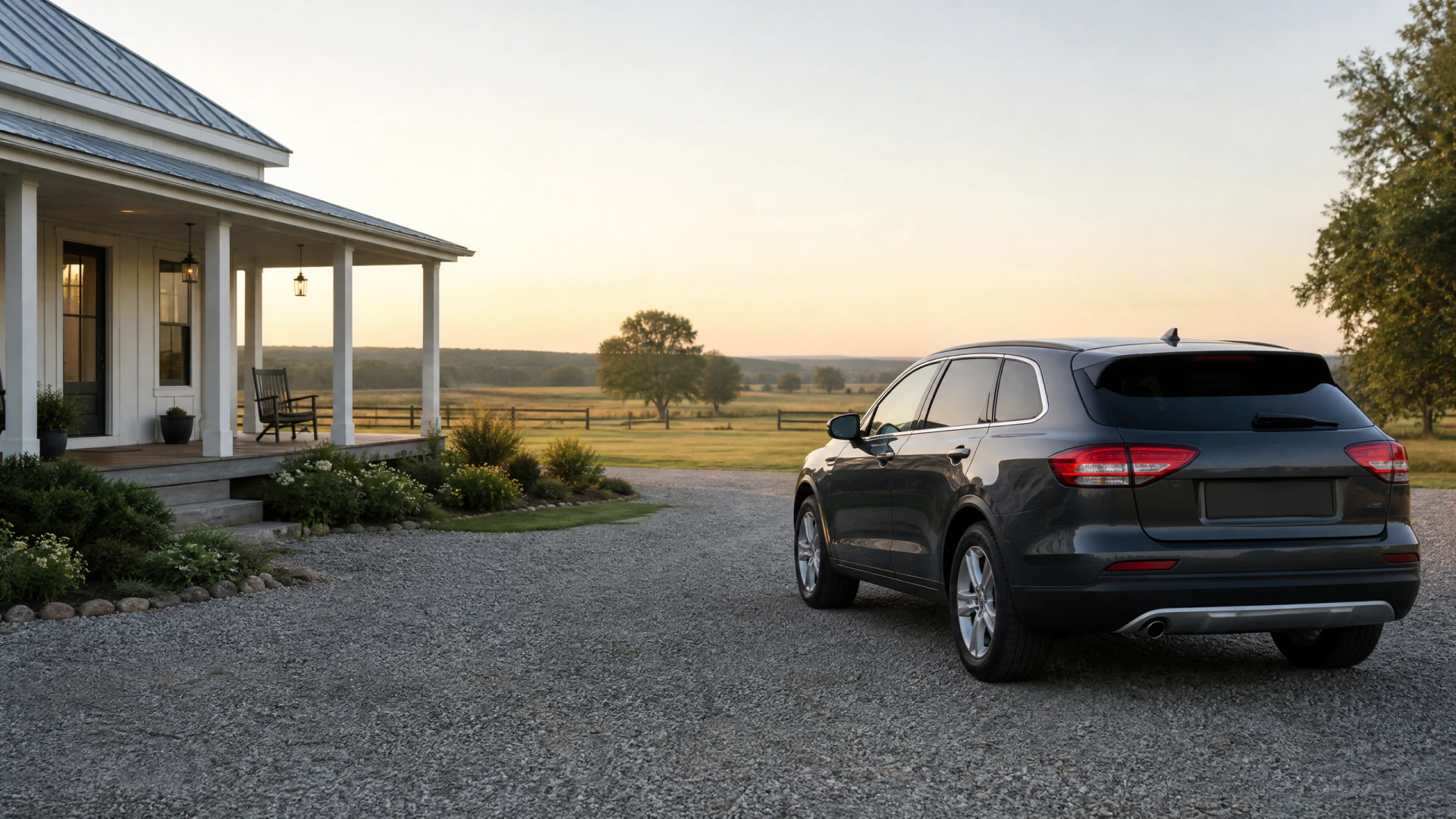
What Happens if a Car Is Insured but the Driver Is Excluded
An excluded driver has no coverage at all under that policy, so any accident they cause comes out of your pocket entirely.
What an exclusion actually does to your coverage
- No coverage for that driver The named exclusion removes that person completely from the policy. If they drive the car and cause a crash, the insurer pays nothing toward injuries or damage, even to your own car.
- The car itself stays insured Everyone else listed on the policy is still covered normally. The exclusion only blocks the one named person, so you don't lose coverage for your own driving.
- You're still liable personally Excluding someone doesn't protect you from lawsuits if they drive your car anyway. You can be sued directly for letting an excluded driver behind the wheel.
- Lending the car doesn't help If the excluded person drives with your permission, the exclusion still applies. Keep keys away from them and tell other household members not to hand the car over.
- Removing it takes a request An exclusion stays in place until you formally ask the insurer to remove it, usually after new licensing, training or a clean record. Call and ask what they need to lift it.
A household member gets excluded after a bad driving record
A couple moving into their first home had one person on the auto policy whose adult sibling was staying with them temporarily. The sibling had a rough driving history, so the insurer offered a lower premium if that person was formally excluded from the policy rather than added as a rated driver. The couple agreed, since the sibling wasn't supposed to be driving their car regularly anyway.
A few months in, the sibling borrowed the car for a short errand and was in a minor collision. Because the exclusion was active, the insurer denied the claim entirely, and the couple had to pay for both cars out of pocket. They later removed the exclusion and added the sibling as a rated driver once the sibling's record improved, paying a bit more each month but closing the gap. The lesson they took wasn't about blame, it was that an exclusion means a hard line, not a discount with a footnote.

An exclusion isn't a discount with fine print, it's a wall. If that person drives, you pay alone.
Once you know who's excluded and why, compare quotes to see what it actually costs to add or remove that person.
Why exclusions work like a hard stop, not a soft discount
Insurers price a policy around the specific people they expect behind the wheel. When someone in the household has a history that would raise the cost a lot, or sometimes make the insurer unwilling to cover them at all, the insurer may offer to exclude that person by name instead of rejecting the whole policy. This keeps the policy affordable for the drivers who remain, but it only works if the excluded person truly never drives that car.
The exclusion is treated as a binding agreement, not a suggestion. The insurer has priced the risk assuming that person never gets behind the wheel at all, so when they do drive and cause a loss, paying the claim would break the math the whole policy was built on. That's why the denial is usually complete rather than partial.
State rules vary on whether insurers can even offer named-driver exclusions, and some states limit or forbid them for household members entirely. Insurers also differ in how they define who must be listed or excluded, often based on who lives in the home or has regular access to the car. Check your state's rules and your insurer's specific language on this, since the obligations around who counts as a household member can be stricter than people expect.
The exception that changes things is permission and access. If you can show the excluded person had no access to keys and no permission, insurers and courts sometimes treat an unauthorized use differently than a loss caused by someone you knowingly let drive. That's a harder case to prove, so it's not something to count on.

Can I just not tell the insurer someone in my house drives the car?
You can try, but it's risky and often doesn't hold up. Most insurers ask directly who lives in your household and expect anyone with regular access to a car to be listed or named, even if they don't drive often. If you leave someone off and they're later involved in an accident, the insurer can investigate and may deny the claim for misrepresentation, not just for the exclusion itself.
This matters most for people living with you, since insurers treat household access differently than an occasional guest borrowing the car once. If someone in your home has a license and reasonable access to your keys, it's worth asking your insurer directly how they want that person handled, rather than guessing. Getting it in writing protects you far more than staying quiet does.