What Does Single Limit Mean in Car Insurance
A single limit means one combined dollar amount covers all injury and property damage from an accident, instead of separate caps for each.
One pool of money has to stretch across everyone and everything hurt
Most policies split your coverage into three boxes, one for injury per person, one for injury per accident, and one for property damage. A single limit removes those walls and gives you one number that applies to the whole accident, no matter how the costs are divided between people and property.
This matters because real accidents rarely divide costs evenly. If you hurt two people and damage a car, a split policy might run out of injury money while property money sits unused, since the boxes don't share. A single limit lets the total amount flow wherever it's needed, which often means more money actually reaches the people and repairs that need it.
The tradeoff is that a single limit gets used up by whatever claim hits first. If one serious injury claim is large, it can absorb most or all of the limit, leaving less for property damage or other people involved, where a split policy might have kept those amounts protected separately.
Whether this option exists, what it costs compared to split limits, and how it's described on your policy depends on your insurer and sometimes your state. Some insurers offer single limits mainly for higher coverage levels or specific vehicle types, so you need to check what your policy actually offers before assuming either structure is automatic.

A driveway fender bender that became two claims at once
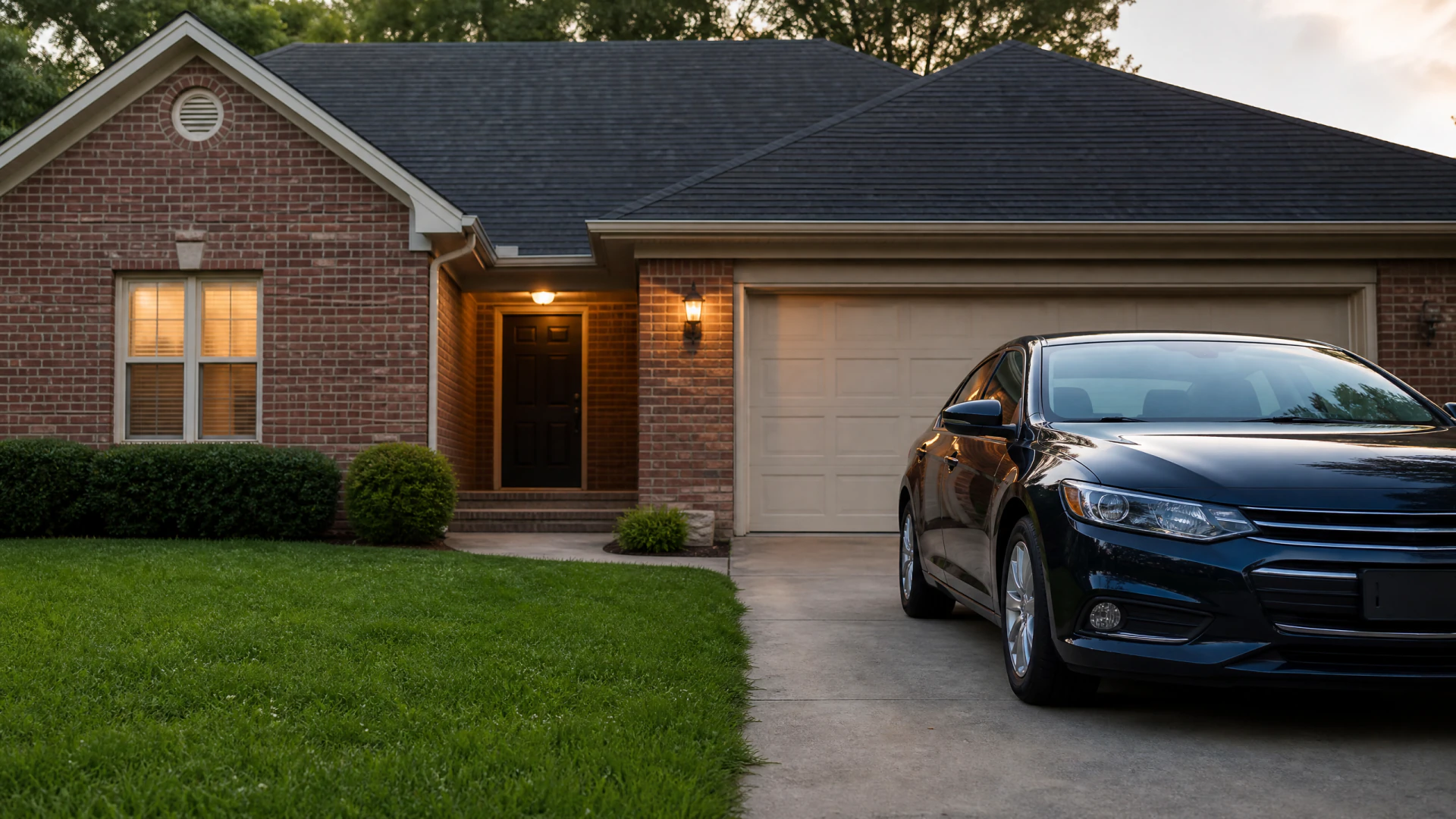
Say you back out of your new driveway and clip a neighbor's parked car, denting it, while your passenger strains their neck in the process. With a split limit policy, the injury claim draws only from the per-person injury box, and the property damage draws only from its own separate box, even if one box turns out to be too small and the other has room to spare.
With a single limit policy, both claims draw from the same total amount. If the injury turns out to be minor and the car damage is the bigger cost, the single limit can cover more of the repair than a split policy's property box would have allowed on its own. You'd want to check your policy documents or ask directly whether your coverage is structured as single limit or split limit, since the paperwork doesn't always spell it out in plain language, and knowing which one you have tells you how much flexibility you actually get when a claim involves both people and property at the same time.

Choosing single limit coverage over split limits
If you do
You get one flexible pool of money that can shift toward whichever cost is larger, whether that's injuries or property damage. This often means better protection in accidents involving multiple people or expensive vehicles, since the limit isn't locked into smaller separate boxes that cap each type of claim on its own.
If you don't
You keep separate, predictable amounts for injury and property damage, so one large claim can't eat into the other category. This can mean less flexibility if injury costs are high and property costs are low, since the unused money in one box can't move over to help cover the other.
Knowing how single limit coverage works, compare quotes to see which structure your insurer offers and at what cost.
Is single limit coverage more expensive than split limits?
It depends on the insurer and the coverage amount, so there's no universal answer, but single limit coverage often costs more because it typically offers more total protection in accidents involving both injury and property damage.
The fairest way to compare is to look at the total dollar amount available under each option, not just the sticker price. A single limit of a certain size needs to be compared against the combined total of a split limit's three boxes, since a single limit that looks larger might actually offer similar protection once you add up what the split version covers across all three categories. Ask your insurer to show you both structures side by side with the same total exposure in mind, and check whether your state or insurer even offers both options, since availability varies.
What matters isn't which limit sounds bigger, it's whether it moves money where the accident sends it.