What Does 30-60 Mean in Car Insurance
30-60 means your policy pays up to that first number per injured person and up to the second number total for everyone hurt in one accident.
A rear-end accident with two people hurt
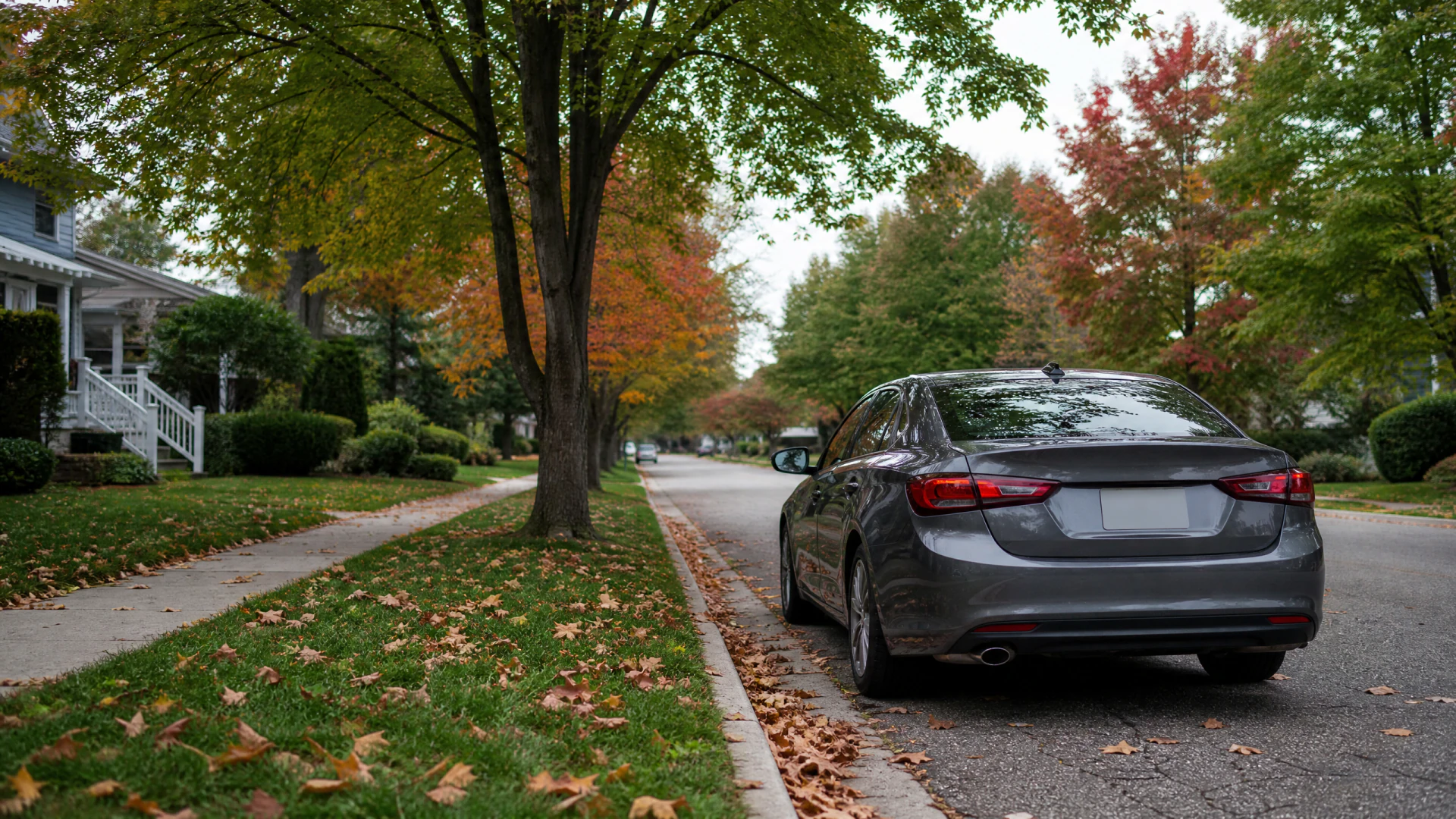
You're stopped at a light when another driver rear-ends your car. Both you and a passenger in your car need medical treatment, and the other driver was at fault, so their liability coverage is what pays for your injuries. Their policy lists 30-60 for bodily injury liability, which means up to a certain amount is available for each person hurt, and a combined total is available for the accident overall.
Your medical bills come in under the per-person amount, so they're covered in full from that split. Your passenger's injuries are more serious and the treatment costs more, bumping up against what's available for one person under that policy. Because the total for the accident is also capped, and your bills already used part of it, there's less room left for your passenger's full costs. This is the kind of gap that leads people to carry their own underinsured motorist coverage, so a shortfall like this doesn't fall back on them.
Is 30-60 enough coverage for you?
Whether it's enough depends on what you have to lose and what medical and legal costs look like where you live. These numbers were set as a minimum a long time ago in most places, and medical costs have moved a lot since then, so the minimum often covers less of a serious accident than people expect.
If you own a home, have savings, or a steady income that could be pursued in a lawsuit after a bad accident, lower limits leave more of that exposed. Higher limits cost more, but usually not by much compared to the protection they add. A reasonable way to think about it is matching your liability limits to what you'd actually hate to lose, not just what your state requires you to carry.

Now that you know what your limits actually cover, compare quotes at the level that matches what you want protected.

What to actually check in your own policy
- Find your current split Look at your declarations page for a bodily injury liability line showing two numbers like this. That split is what your policy pays per person and per accident right now.
- Compare to your assets Add up what you own that a lawsuit could go after after a bad accident. If that total is higher than your per-accident number, your current limits may leave you exposed.
- Check the per-person cap The first number applies to each injured person, not the whole accident. A single serious injury can hit that cap even if the total accident number has room left.
- Ask about underinsured motorist This protects you when the other driver's limits are too low to cover your injuries. It matters more in places where minimum limits are low.
- Confirm your state's minimum Minimum required limits differ by state and change over time. Check your state's current minimum so you know whether 30-60 is above, at, or below it.
Why liability coverage is split this way
Insurers split bodily injury liability into two numbers because a single accident can hurt more than one person, and they need a way to cap exposure both per person and overall. The per-person number protects against one large claim eating the whole payout, and the per-accident number caps the insurer's total exposure when multiple people are hurt at once. Together they define the outer edge of what that policy will pay no matter how severe the accident gets.
This structure is standard across the industry, though the actual numbers chosen, and what counts as a minimum, varies by state. Some states set their required minimums low enough that a single serious injury claim can exceed them easily, while others set them higher. Check your own state's minimum rather than assuming 30-60 is standard everywhere, because it may be above, at, or below what's required where you live.
What changes the math for you is what you're trying to protect. If you're at fault in an accident and your liability limits run out before the injured person's costs are covered, you can be personally responsible for the rest. That's a real financial risk, not just a policy technicality, and it's why people with more to protect often choose limits well above the state minimum.
The flip side matters too. If you're the one injured by another driver whose limits are low, their 30-60 or similar split may not cover your full costs even though they did nothing wrong by carrying the state minimum. That gap is exactly what underinsured motorist coverage on your own policy is built to fill, and it's worth having regardless of how careful a driver you are.
What's the difference between bodily injury liability and property damage liability?
Bodily injury liability pays for injuries to other people when you're at fault, which is what the 30-60 split describes. Property damage liability is a separate, usually single number that pays for damage to their car or other property instead. Check your declarations page for both, since they're listed separately and have their own limits.
Does raising my liability limits increase my premium a lot?
Usually the increase is smaller than people expect, since liability coverage is often one of the more affordable parts of a policy to raise. The exact difference depends on your driving record, location, and insurer, so the only way to know for certain is to get a quote at the higher limit and compare it directly to your current one.
Do I need umbrella insurance if I already have high liability limits?
You might not, if your auto liability limits already cover what you're trying to protect, but umbrella coverage extends protection beyond what a single auto policy offers. It matters most if you have significant assets or income at risk. Check with an agent about how your auto limits and any umbrella policy work together before deciding.