Should My Auto Insurance Go Down After Loan Payoff
Your insurance can go down after payoff, but only the part tied to coverage your lender required, not the base cost of insuring the car.
The drop comes from dropping coverage, not from owing less money
A loan payoff doesn't change how risky you are to insure. Your driving record, your car, your zip code and your age still set the baseline cost. What changes is that the lender no longer requires certain coverage, so you're free to remove it if you choose.
While you had a loan, the lender likely required comprehensive and collision coverage, and possibly gap coverage, to protect their financial interest in the car. Once the loan is paid off, you own the car outright, so nothing requires you to keep that coverage. Dropping it lowers your premium because you're paying for less protection, not because the insurer sees you as lower risk.
Whether dropping that coverage makes sense depends on the car's value and your own finances. An older car worth little may not be worth comprehensive and collision, since a payout in a total loss would be small. A newer or more valuable car might still be worth protecting, especially if replacing it out of pocket would be hard.
Some insurers automatically adjust once they're notified the loan is paid off, others wait for you to request the change. Check with your insurer directly rather than assuming the drop happens on its own.
What to check before you decide to drop coverage
- Car's current value Look up what your car is actually worth now, not what you paid. If it's low, comprehensive and collision may cost more than they'd ever pay out.
- Your emergency savings Dropping collision means you'd pay out of pocket for repairs after an accident. Make sure you could cover that cost before you remove the coverage.
- Lender notification Confirm your insurer knows the loan is paid off, since some won't adjust coverage automatically. Call or check your account to be sure the change was processed.
- Gap coverage removal If you had gap coverage, it no longer applies once there's no loan balance. Remove it so you're not paying for protection you can't use.
- Liability limits stay separate Liability coverage isn't tied to the loan and won't change on its own. Decide on those limits independently of anything related to payoff.

Whether you update your coverage after payoff
If you do
You review what the lender required, drop what no longer makes sense for an older or lower value car, and your monthly premium reflects only the coverage you actually chose. You keep more control over what you're paying for and why.
If you don't
You keep paying for comprehensive, collision or gap coverage that nothing requires anymore. The car might not be worth enough to justify the cost, but the premium stays the same until you actively ask for a review.
Now that you know which coverage to drop or keep, compare quotes to see what the new setup actually costs.
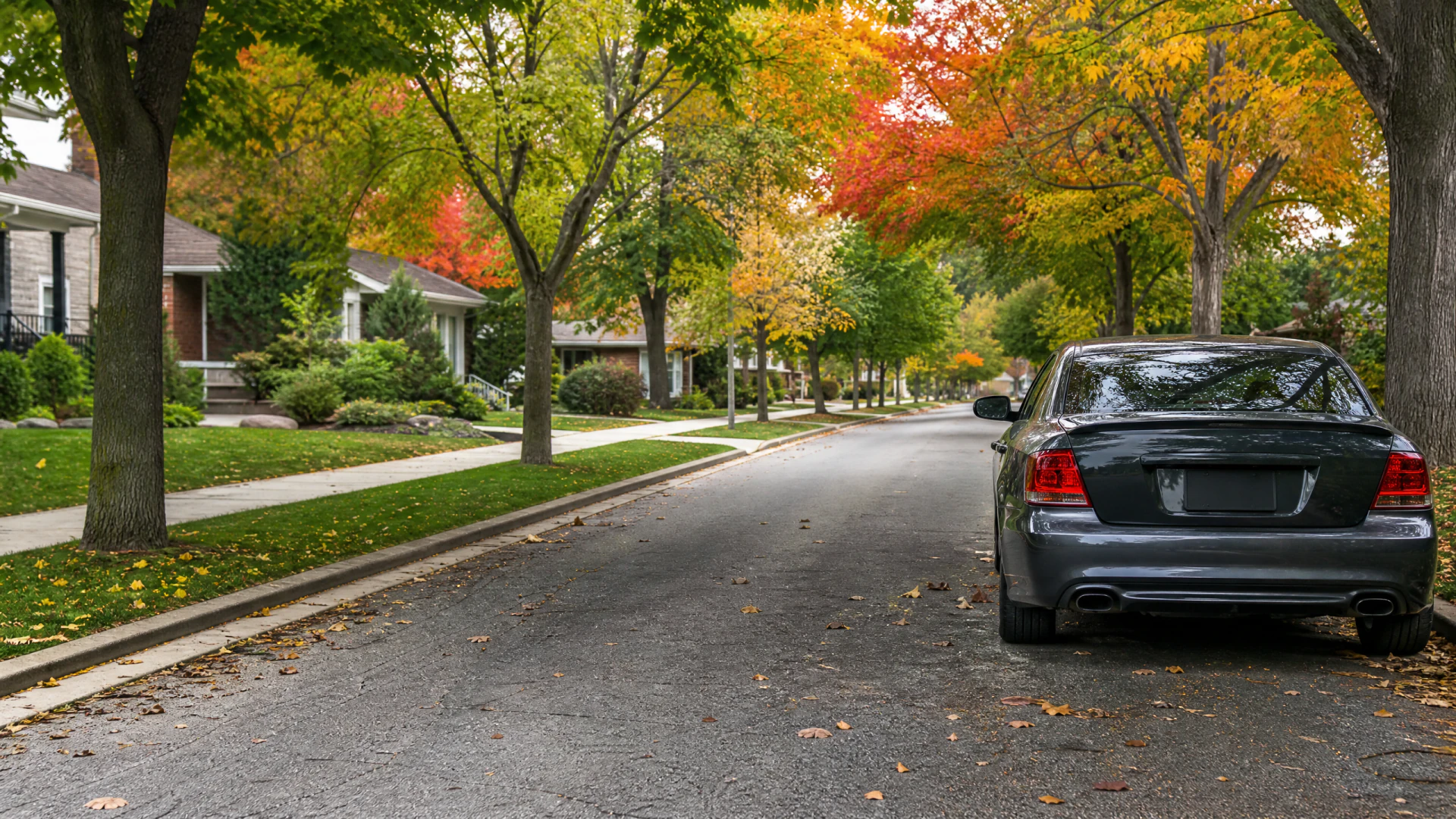
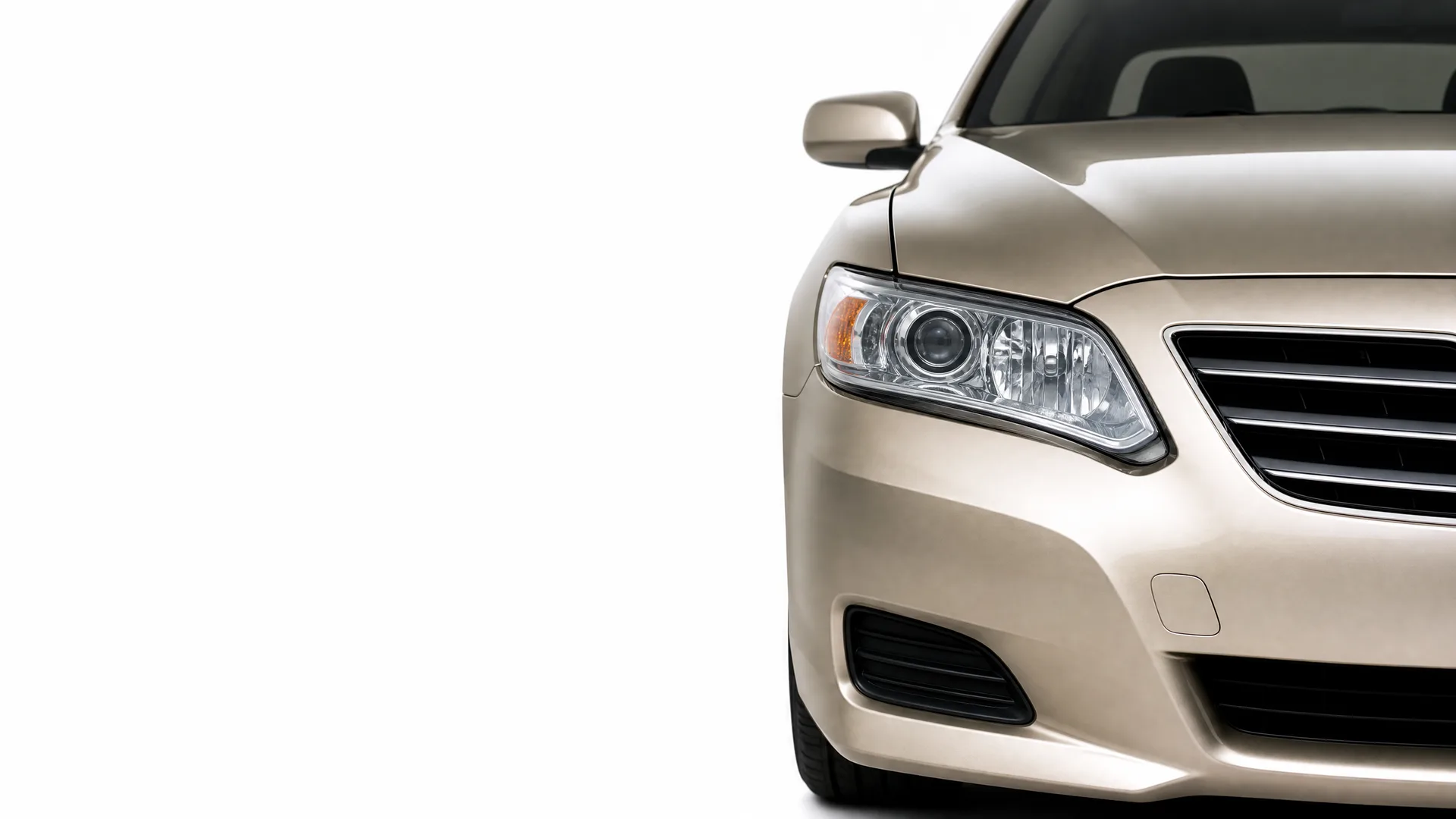
A paid off sedan with a lender requirement that no longer applies
A couple finished paying off their sedan a few months after buying their first home. They'd been paying for comprehensive and collision because their old loan required it, and they hadn't thought about it since. After the payoff, they looked up the car's value and found it had dropped enough that a payout for a total loss would be modest.
They called their insurer, confirmed the loan was marked paid off, and asked about dropping collision while keeping comprehensive since they still parked on the street sometimes. The insurer adjusted the policy and their premium went down. They kept their liability limits the same, since that decision had nothing to do with the loan, and used the savings to offset the new cost of their homeowners policy.
The payoff alone changes nothing. You have to actively drop the coverage the loan once required.
Does paying off my car loan automatically cancel gap insurance?
Not automatically. Gap coverage usually has to be canceled by you or your insurer once they confirm the loan balance is gone. Check your policy documents or call your insurer directly to confirm it's been removed, since paying for gap coverage with no loan to protect is money with no purpose. If you financed through a separate gap provider rather than your car insurer, you may need to cancel that separately.
Should I drop collision coverage on an older paid off car?
It depends on the car's value compared to what collision coverage costs you. If the car is worth little, a collision payout would be small, so you may be paying more in premiums over time than you'd ever recover. Look up the car's current value, compare it to your annual collision premium, and consider your ability to repair or replace the car out of pocket before deciding either way.
Will my insurance go up again if I take out a new car loan?
Likely yes, since a new lender will probably require comprehensive and collision coverage again, and possibly gap coverage too. This isn't a penalty, it's simply the lender protecting their stake in a car you don't fully own yet. Expect your premium to reflect whatever coverage the new loan requires, and check the lender's specific requirements before you shop for a policy.