Should I Go Through Insurance for a Car Repair
Pay it yourself if the repair costs less than your deductible plus the rate increase a claim would likely cause.
Weigh these before you call your insurer
- Compare cost to deductible If the repair costs close to or less than your deductible, filing gets you little or nothing back. Get a repair estimate first so you're comparing real numbers, not guesses.
- Think about rate increases A claim can raise your premium for several years, sometimes costing more than the repair itself. Ask your insurer or agent how a claim like yours typically affects renewal pricing.
- Check who's at fault If another driver caused the damage, their insurance should pay and your own rates are less likely to move. Get the other driver's information and consider filing through their policy instead.
- Consider the size of the damage Large repairs, like frame or major mechanical damage, usually make sense to claim regardless of rate impact. Small cosmetic dents and scratches are the ones worth paying yourself.
- Look at your claims history If you've filed recently, another claim soon after can push rates up more sharply. Check how many claims you've had in the past few years before deciding.
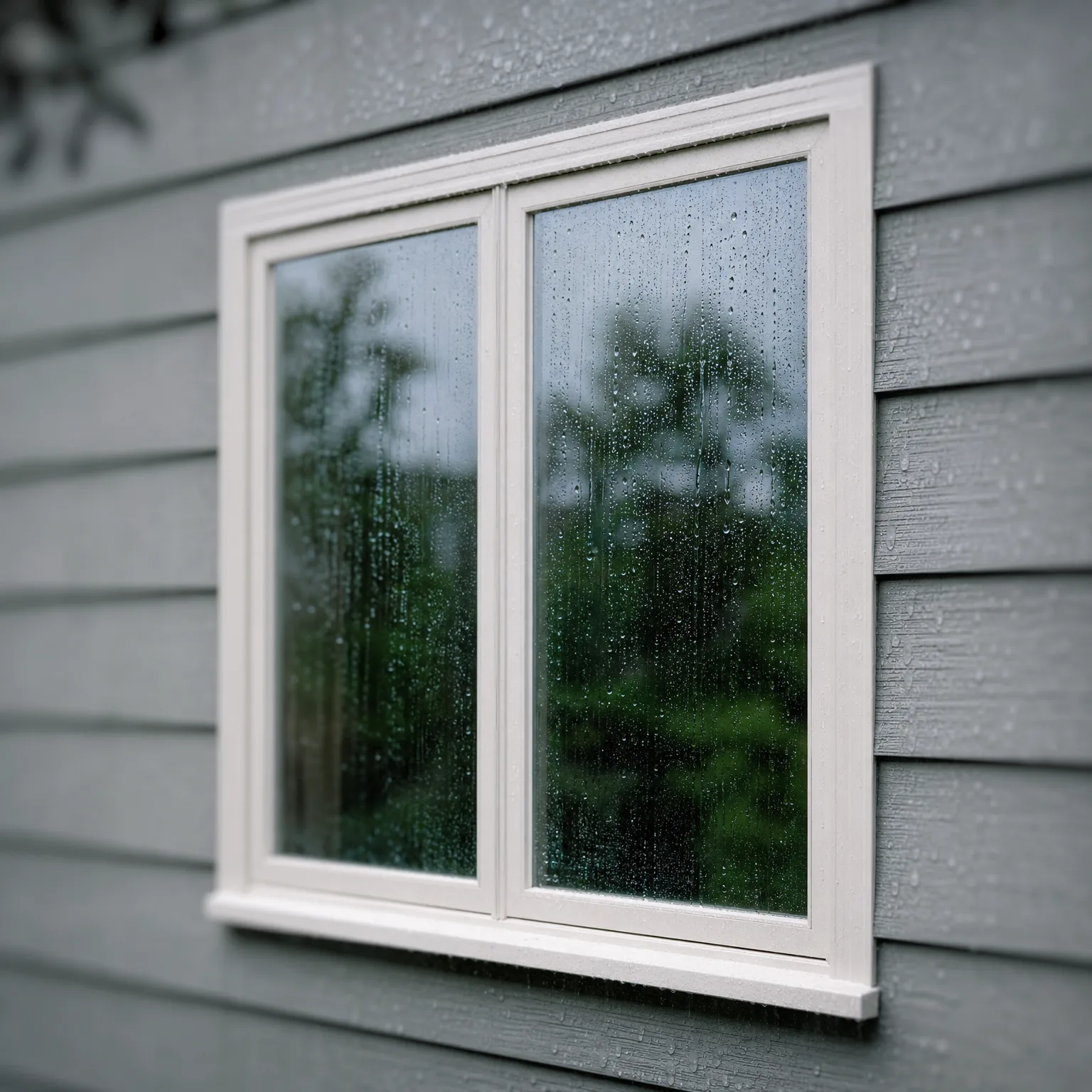
A driveway dent after a new mortgage payment started
You back out of your new garage and clip the side mirror on the door frame, cracking the mirror housing and leaving a small dent. You get two repair estimates, and both come in close to what your deductible would be anyway. You call your insurer not to file, but to ask how a claim like this would affect your premium at renewal, and the agent tells you it could raise your rate for a few years even for a small claim.
You decide to pay for the repair yourself since the out of pocket cost barely beats what you'd pay through insurance once the deductible and future rate increase are added up. A few months later you're glad you kept your record clean, especially since you're now shopping for quotes after the move and a clean history is helping you get better offers. The dent cost you some cash up front, but it saved you more over time.

A claim isn't free just because insurance pays it. Your rates remember it for years.
Once you know whether this repair is worth claiming, compare quotes to see how that decision affects your price.
Why small claims often cost more than they save
Insurance is built to spread the cost of large, unpredictable losses across many people. It works well for the bills that would hurt to pay all at once, like a totaled car or a major collision. It works less well for small, predictable repairs, because insurers price in the expectation that you might file again, and they adjust your rate accordingly.
When you file a claim, you're not just asking for reimbursement. You're giving the insurer new information about your risk, and that information tends to stick. Even a small claim can signal that you're more likely to file again, and insurers price future premiums based on that pattern. This is why a modest repair can end up costing you more over several years of higher payments than it saved you upfront.
The math shifts when the damage is large or when someone else is responsible. If a repair would be expensive relative to what you'd pay without insurance, filing makes sense because the claim is doing the job it's meant to do. And if another driver caused the damage, their insurer typically covers it, which usually protects your own rate since the fault wasn't yours.
State rules affect how much any of this changes your bill, since some places limit how much a single claim can raise your rate or for how long. Insurers also differ in how they calculate this, so what's true for one company isn't automatically true for another. Check with your own insurer or agent before deciding, especially if you're unsure how your specific policy handles claims after a move or a bundle.

Will my rate go up even if the accident wasn't my fault?
Usually not by much, if at all, since insurers mainly price based on your own fault history. Check your insurer's policy on not at fault claims, since some protect your rate automatically while others require you to prove fault through a police report or the other driver's admission. If you're unsure, ask directly before filing.
How long does a claim stay on my record?
It depends on your insurer and your state, but it's typically several years, not indefinitely. Some insurers weigh recent claims more heavily than older ones, so the impact fades over time even before it disappears completely. Ask your insurer how long a claim affects pricing and whether it matters how many you've filed recently.
Does bundling home and auto insurance change this decision?
It can, since bundled policies sometimes have different claim thresholds or shared discounts that are affected by a claim on either policy. Ask your insurer whether a car claim could affect your bundled discount or your home premium, since the two aren't always treated separately. This matters more right after a move when you're setting up both policies together.