Is It Cheaper to Insure 2 Cars on the Same Policy
Putting both cars on one policy is almost always cheaper, as long as both stay with the same insurer and are listed correctly.
Combining two cars after years of separate policies
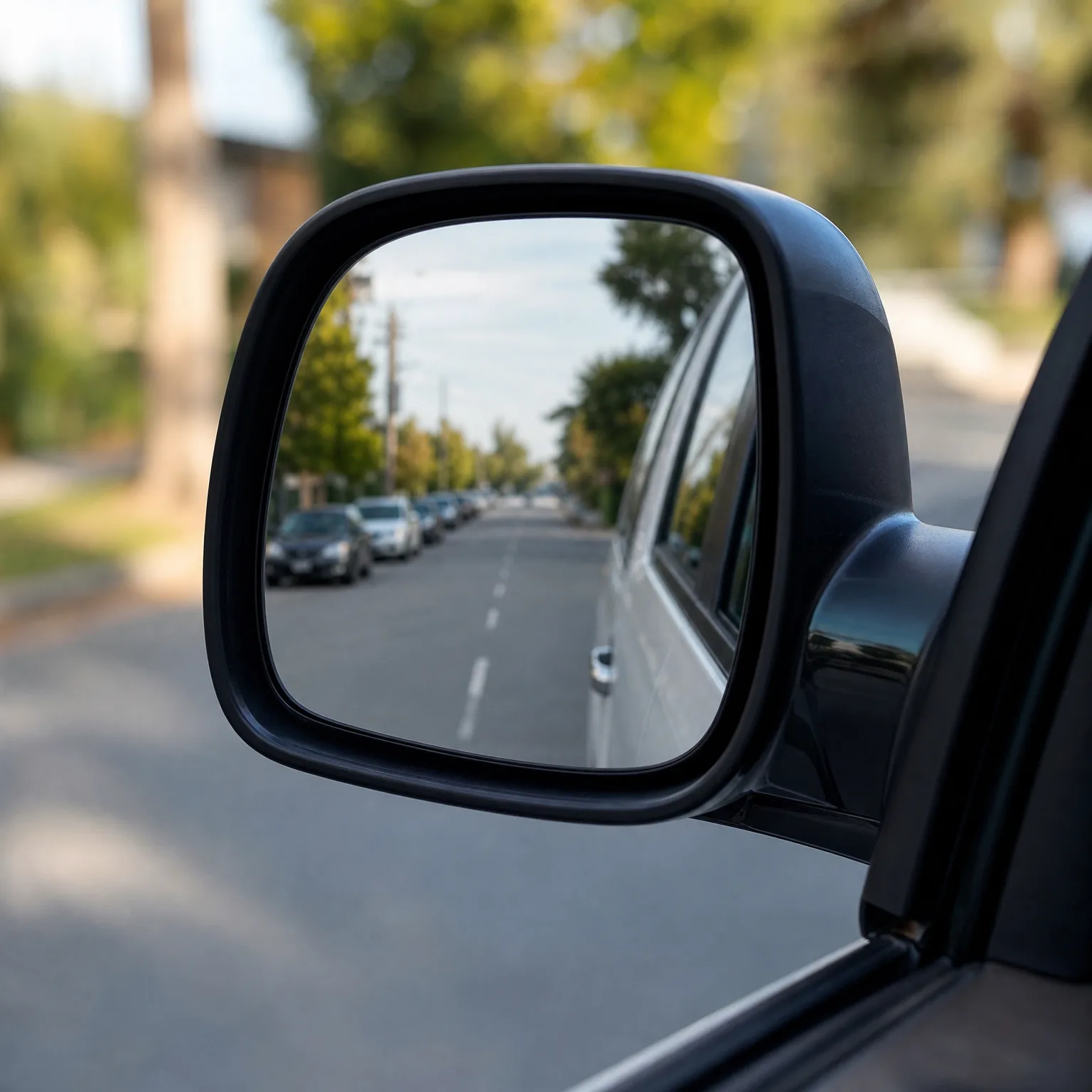
A couple moved into their first home and realized they'd each been carrying a separate car insurance policy from before they met, one from each person's old insurer. Neither had thought to combine them because the cars had always lived at different addresses. Now both cars sat in the same driveway, under the same roof, with the same mortgage and the same homeowners policy attached.
They called their insurers and asked for quotes on a combined multi-car policy next to what they'd pay keeping things separate. The combined quote came in lower, mainly because the insurer no longer had to treat each car as its own isolated risk, and because having both drivers and both vehicles visible let the company offer a discount it couldn't apply to a single-car policy. They switched both cars to one insurer, kept their coverage levels the same, and canceled the older policy once the new one was active. The savings weren't dramatic, but the change also meant one bill, one renewal date, and one company to call if anything happened.
What if the two cars have very different values or drivers?
That's fine. A multi-car policy doesn't require the cars to match in value or the drivers to have the same experience level. Each vehicle keeps its own coverage choices, like liability limits or whether it carries collision and comprehensive, even though they're billed together.
What matters more is who drives what. If one car is driven by a newer or higher-risk driver, that car's portion of the premium reflects that, regardless of being bundled. The discount for combining still usually applies on top of that, so it's rarely a reason to keep policies separate. The bigger factor is whether one insurer can offer competitive rates on both vehicles at once, which is worth checking rather than assuming.

Combining your two cars onto one policy
If you do
You get one bill, one renewal date, and usually a lower combined premium than two separate policies. Both cars stay covered under the same insurer, which simplifies claims and paperwork. You may also qualify for a multi-car discount that isn't available when vehicles are insured separately, even with the same company.
If you don't
You keep paying two separate premiums, often at a higher combined cost, and manage two renewal dates and two sets of paperwork. You miss out on the multi-car discount most insurers offer. If a claim involves both vehicles, you may also have to coordinate between two different insurers instead of one.
Now that you know combining usually costs less, compare multi-car quotes to see what that looks like for your vehicles.

What actually determines the savings when you combine
- Same insurer requirement The discount only applies when both cars are with the same company. Check that your current insurer offers multi-car policies before assuming you can combine with your home or a spouse's existing plan.
- Garage address matters Insurers price cars partly on where they're kept overnight. Since your move likely changed this for one or both vehicles, update the garaging address now rather than after combining, since it affects the quote.
- Coverage levels can differ Each car can carry different limits or deductibles even on one policy. Decide separately whether an older car needs collision coverage or just liability, then combine billing after that decision.
- Bundling with home adds more Adding your homeowners policy to the same insurer as your cars often stacks another discount on top of the multi-car one. Ask for a combined quote across all three before deciding.
- Shop before you commit The multi-car discount is real, but a different insurer entirely might still beat your current one even after that discount. Get quotes from a few companies with both cars listed before renewing.

Does it matter whose name the car is registered under if we combine policies?
Yes, but it doesn't block you from combining. Insurers care about who regularly drives each vehicle and who's listed as the primary driver, not just whose name is on the title. Both of you can be listed as drivers on both cars even if each car is registered to only one person. What changes the price is each driver's record and experience, so disclose both drivers accurately rather than picking whichever name seems simpler.
Can we combine two cars on one policy if only one of us drives?
Yes, this is common and doesn't change the multi-car discount. The non-driving spouse can still be a named owner without being listed as a regular driver, or can be excluded entirely depending on the insurer. What matters is accuracy, since listing someone as a driver who never drives can actually raise the cost unnecessarily. Ask the insurer how they handle a second car with only one active driver before finalizing the policy.
Will combining our cars affect our homeowners insurance discount?
It can increase it, not reduce it. Many insurers offer a separate discount for bundling home and auto together, which stacks on top of whatever multi-car discount applies to the two vehicles. Whether this applies depends on your specific insurer and state, so ask for a quote that includes all three policies together rather than assuming the discounts combine automatically.