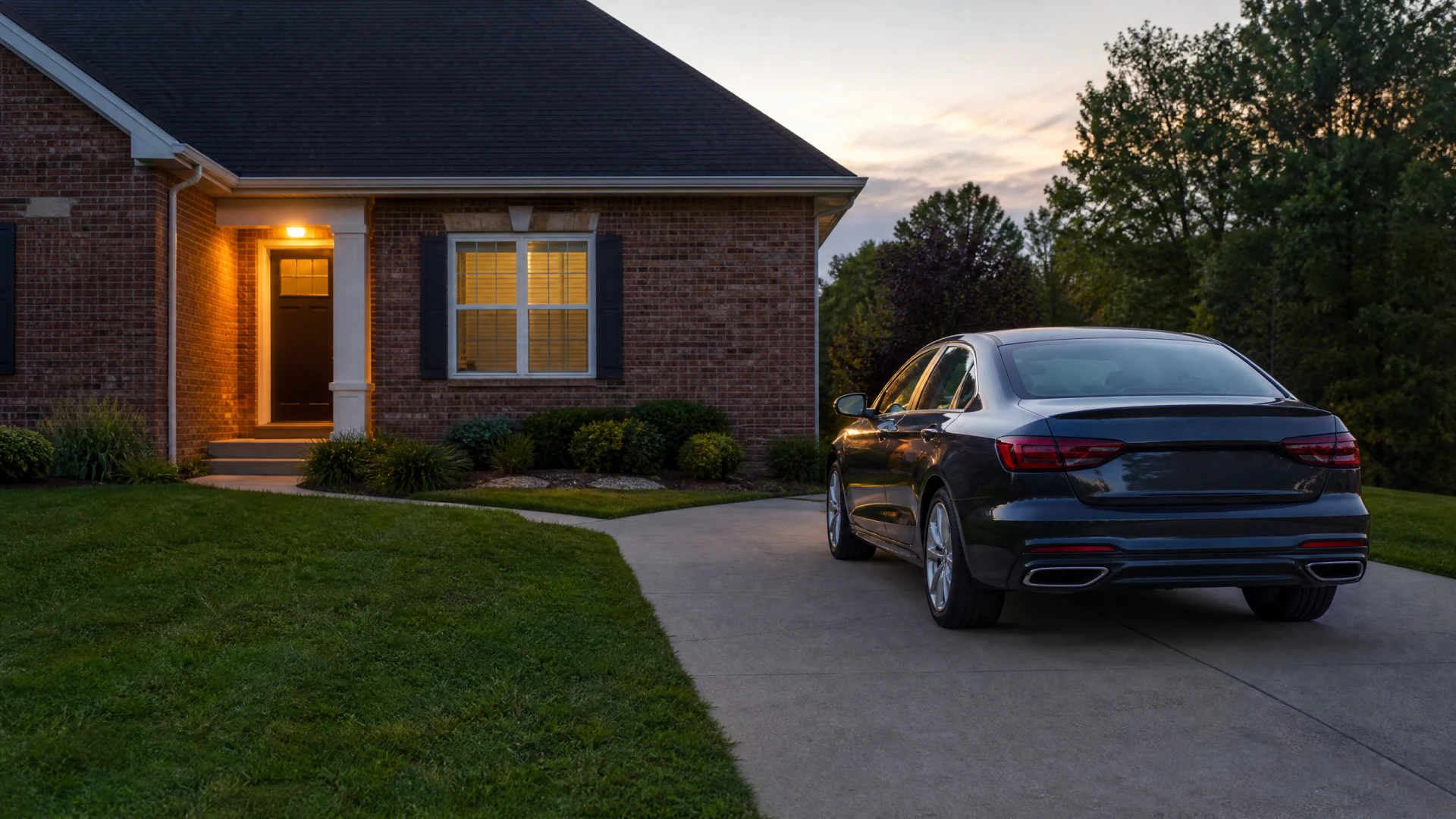
Is It Cheaper to Have 3 Cars on One Policy
Yes, putting three cars on one policy is almost always cheaper than insuring them separately.

What actually changes the price when you combine cars
- One policy, shared discount Insurers reward multi car households because it's less paperwork and less risk of losing a customer entirely. Ask your insurer directly what the multi car discount is before assuming it's worth switching.
- Each car still priced on its own Combining policies doesn't average out the cost of all three cars. The car with the worse record or higher value still carries its own cost inside the shared policy.
- One deductible, one due date A single policy means one renewal date and often one deductible structure to manage instead of three. This is simpler but means a claim on one car can affect how the whole household is viewed at renewal.
- Drivers get linked together Everyone who drives any of the three cars usually needs to be listed on the shared policy. If one driver has a rough record, it can raise the cost for all three cars instead of staying isolated to one.
- Garaging address matters per car Where each car is kept overnight still affects its individual cost even under one policy. If a car sits at a different address than the other two, say so, since it changes the math.

A household that added a third car after a move
A couple had two cars already insured separately, one on each person's name from before they lived together. After buying a house, they bought a third car for the longer commute from the new neighborhood. They called to add it to one of the existing policies instead of opening a third separate one.
The insurer recalculated the household as a group. The combined policy ended up cheaper overall than three separate policies would have been, even though the new car itself raised the total cost on its own. The couple kept the higher liability limits they'd set after buying the house, since the mortgage lender's homeowners requirement had made them realize their old limits were thin. They didn't touch those limits, only consolidated where the cars lived on paper.
The savings come from combining the policy, not from the cars becoming cheaper to insure.
Compare quotes for all three cars on one policy against three separate ones, and confirm the savings.
Why insurers charge less for three cars together
Insurers make money by keeping customers and reducing the cost of managing them. A household with three cars on one policy is one account to service, one renewal cycle, one set of paperwork, instead of three separate relationships that each need their own tracking. That administrative savings gets passed back to you partly as a discount, which is the main reason combining tends to cost less than splitting.
There's also a retention logic underneath it. Insurers know that customers with multiple cars on one policy are less likely to shop around and leave, since switching three cars at once is more hassle than switching one. They price multi car policies attractively in part to lock in that stickiness, not purely out of generosity.
This doesn't mean every car gets cheaper. Each vehicle is still rated individually based on its value, how it's used, and where it's kept overnight. A sports car or a car with a long commute will still cost more inside a combined policy than a car that sits in a garage and gets driven rarely. The discount applies on top of those individual costs, not instead of them.
Where this works out differently is when one driver or one car has a history that the others don't share. If one of the three cars is driven by someone with a poor record, linking all three under one policy can mean that record affects pricing for the whole household rather than staying contained to one vehicle. In cases like that, it's worth asking your insurer to model both scenarios before deciding, since the usual advantage of combining can be offset by that one factor.

Does adding a teen driver change whether combining is still cheaper?
It can, since a new or young driver often raises the cost more than the multi car discount saves. The discount still applies, but a teen driver's individual rating is usually high enough that it outweighs the savings from combining. Ask your insurer to quote the teen driver both as part of the combined policy and hypothetically separate, so you can see which factor is doing more work before you decide anything else about that driver's car specifically.
Can I combine cars on one policy if they're registered to different people?
Usually yes, as long as everyone lives at the same address and is willing to be listed on the same policy. Insurers care about who lives in the household and who regularly drives each car, not strictly whose name is on the title. If you and someone else keep separate finances or don't want your driving records linked, ask the insurer how a claim or ticket on one car affects the other before combining, since that link is the real tradeoff.
What happens to the discount if I remove one of the three cars later?
The discount usually shrinks or disappears, since most multi car discounts require a minimum of two or more vehicles on the policy. If you drop down to one car, you'll likely be repriced as a single car policy at renewal, not before. Ask your insurer directly what the threshold is and whether dropping to two cars still keeps a reduced version of the discount, since that detail varies by insurer.