
Is It Better to Say Commute for My Auto Insurance
Say commute if you regularly drive to a workplace or job site, not if you mostly drive for errands or pleasure.
Your use type has to match how you actually drive
Insurers price your policy based on how much risk your daily driving adds, and commuting to a fixed workplace on a regular schedule is treated differently than driving whenever you feel like it. More time on the road during predictable rush hours generally means more exposure to accidents, so commuting often costs a bit more than calling the same car a pleasure vehicle.
This isn't about picking whichever label sounds cheaper. The insurer wants an honest picture of your driving pattern because that's what they're actually pricing. If you tell them you don't commute but you drive to an office on a regular schedule, you've described a different car than the one sitting in your driveway.
Where it gets less obvious is work that isn't a traditional commute. Driving to a client site, working partly from home, or rotating between locations can blur the line. Some insurers ask about mileage and frequency instead of a simple commute or pleasure checkbox, and how they define commuting can vary by company. Check your specific insurer's definition rather than assuming it matches what you did at your last address.
Your new commute matters more than people expect right after a move. A shorter or longer drive, a new route, or a change from city to highway driving can shift your rate in either direction. This is exactly the kind of detail worth updating now, since it directly affects what you'll see when you compare quotes.
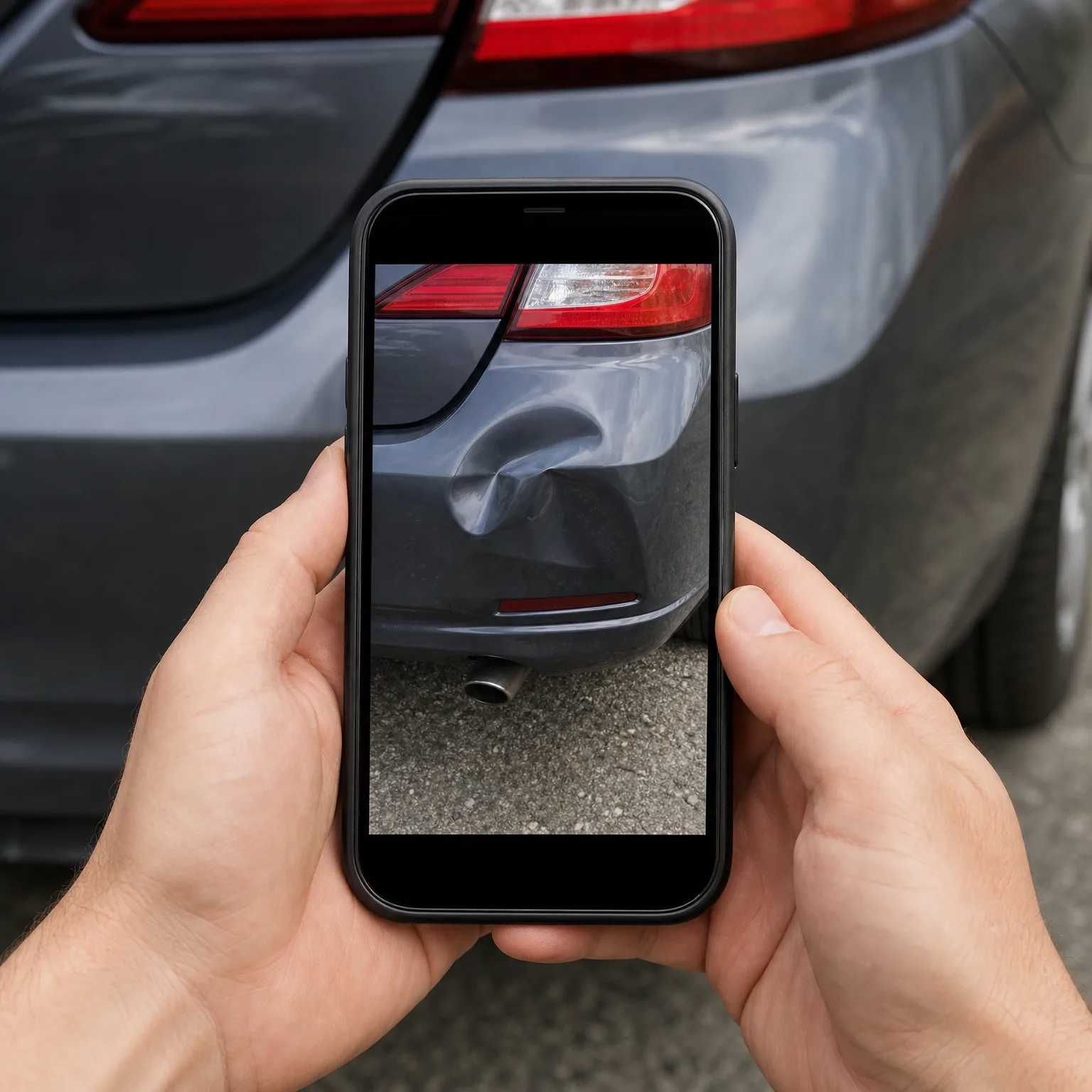
What to check before you answer commute or not
- Your actual drive pattern Count how often you drive to a fixed workplace and how far. That pattern, not your job title, is what insurers mean by commuting.
- Your new distance or route A move can shorten or lengthen your drive and change the roads you take. Update this even if your job hasn't changed at all.
- Mixed or remote work If you work from home some days or visit multiple sites, your insurer may ask for average weekly mileage instead of a simple yes or no. Check how they define it.
- Each driver separately If more than one person drives the car, their commute pattern may differ from yours. Make sure the policy reflects each driver's actual routine, not just one person's.
- What happens if it's wrong Misclassifying your use type can affect a claim later, even if it seemed like a small detail now. Fix it before you compare quotes, not after.

Update your commute status before you compare quotes
If you do
You give every insurer the same accurate picture, so quotes you compare are actually comparable. If you ever file a claim, your stated use matches your real routine, which means nothing about how you drive becomes a reason to question the claim.
If you don't
You might get quotes based on an old commute that no longer matches your life, making some offers look cheaper than they'd really be. If a claim happens and your real driving pattern doesn't match what's on file, you risk a dispute over coverage.
Now that you know how to classify your commute, compare quotes with your real driving pattern already settled.

A new commute after the move changes the numbers
You bought the house and your drive to work went from a short hop downtown to a longer trip on a highway. Your old policy still listed your previous short commute from your rental, so when you sat down to update your address, you almost left the commute field alone since the job itself hadn't changed.
Instead you counted your actual days driving in and the new distance, then checked how your insurer defined commuting versus pleasure use. It turned out the extra highway miles pushed your use type from occasional to regular commuting. You updated it, got quotes reflecting the real drive, and ended up with a rate that matched your actual risk instead of a guess based on your old address.
Your commute isn't a label you pick, it's a fact about your week that your policy needs to match.
What if my commute changes again after I set this up?
Update it again as soon as it changes, since your use type is meant to reflect your current routine, not a one time choice. A new job, a move within the same city, or switching to partly remote work are all reasons to revisit it.
Most insurers expect this to shift over time and make it simple to update, often through the same account where you manage the rest of your policy. The real risk isn't that your commute changes, it's leaving outdated information in place long after your driving pattern has moved on. Treat it as something you check whenever your routine changes, the same way you'd update your address or the cars on the policy.