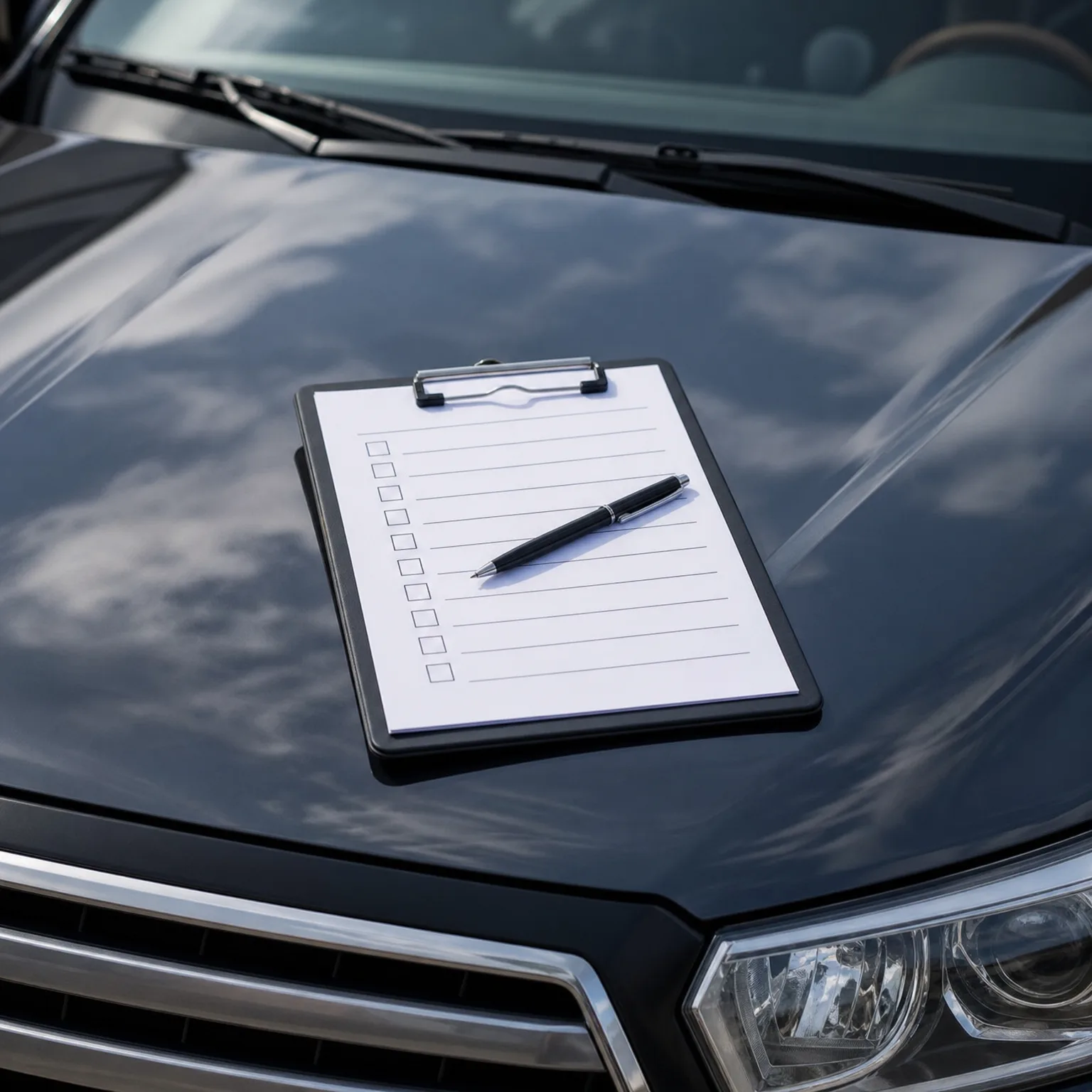
Is It Better to Get Liability or Full Coverage
Full coverage fits a financed or valuable car, liability alone fits an old car you can afford to lose without full coverage.
The decision comes down to what you're protecting
Liability only pays for damage and injuries you cause to other people. It never pays to fix or replace your own car. Full coverage adds two more pieces, collision for when you hit something, and comprehensive for everything else like theft, fire, hail or a deer in the road. That's the whole menu. Everything else is just how much of each you buy.
If you have a mortgage now, there's a good chance you also have a car loan or lease. Lenders almost always require full coverage for exactly the same reason your mortgage company required homeowners insurance. They have money in the car and they want it protected until it's paid off. If that's your situation, this isn't really a choice you get to make yet, you carry full coverage until the loan is gone.
Once a car is paid off, the math changes and it becomes your call. The real question is what the car is worth versus what full coverage costs you every year. If the car is old enough that an insurer would total it rather than repair it after any real accident, full coverage is paying a premium to protect a payout that's already small. If the car still has real value, full coverage protects a loss that would actually hurt.
There's a middle path worth knowing about too. Some people drop collision, which covers hitting things, but keep comprehensive, which covers theft and weather, since that part often costs less and covers risks you can't control by driving carefully. Check how your insurer prices that combination before assuming it's the obvious compromise.
A paid-off second car after the move
Say one of you drives a car that's ten years old and fully paid off, while the newer car is financed and must carry full coverage under the loan. You're tightening the budget after closing costs, and you start wondering if the older car still needs comprehensive and collision at all. You look up what similar cars in that condition typically sell for, and you ask your insurer what it would actually pay out if that car were totaled tomorrow.
The number comes back low, low enough that a year or two of full coverage premiums would cost close to what the car is worth. You decide to drop collision and comprehensive on that car and keep liability only, while leaving the financed car on full coverage since the lender requires it. You put the difference toward an emergency fund instead, since that's now your cushion if the old car is ever damaged beyond repair. It's not the answer for every car in every situation, but for a low-value paid-off car, it was the right trade for what you needed the money to do.
What happens if I drop full coverage and then total the car?
If you only carry liability and you total your own car, you get nothing toward replacing it. Liability pays for the other driver's car and injuries, never yours. You'd be buying a new or used car entirely out of pocket, on top of whatever repairs or medical costs you're already managing.
That's the real trade you're making when you drop full coverage, not a small risk of a slightly higher bill, but the full risk of an unreplaced car. It's a reasonable trade when the car isn't worth much. It's a much harder one if you couldn't easily afford to replace the car tomorrow.
Compare quotes for full coverage or liability-only now that you know which one fits your car and your loan.
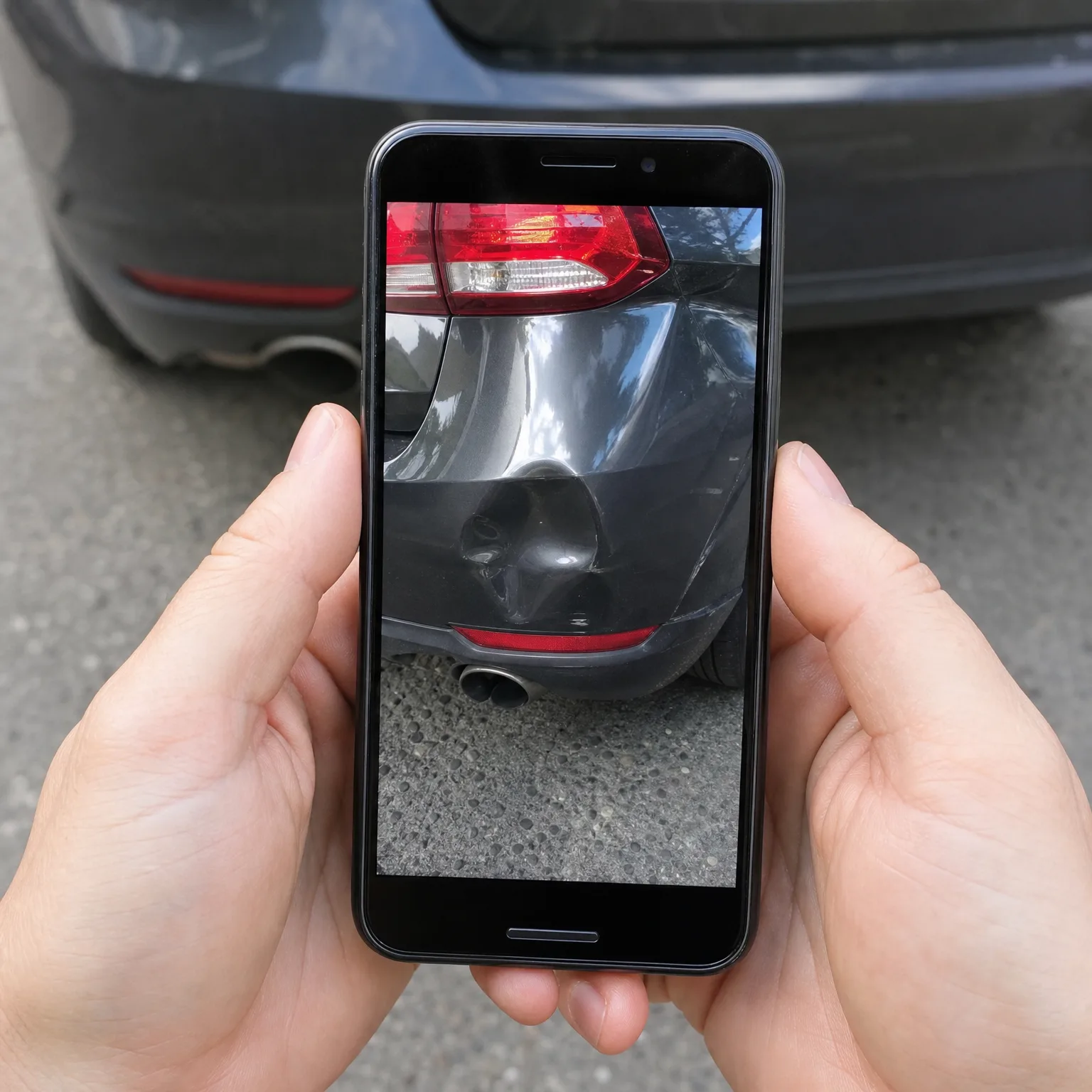
What actually changes your answer
- Whether the car is financed A loan or lease almost always requires full coverage. Check your loan agreement or ask your lender directly before assuming you have a choice either way.
- What the car is worth today Look up what your car's age, mileage and condition actually sell for. If that number is low, full coverage may cost more over time than it would ever pay out.
- What you could afford to lose If losing the car tomorrow would be a financial emergency, full coverage protects you. If you could absorb that loss, liability alone may be enough.
- Your new address and driving A new zip code, garage, or shorter commute can change what full coverage costs. Ask for a fresh quote now instead of assuming the old price still applies.
- Bundling with your home policy Combining auto and home with one insurer sometimes lowers both. Ask specifically what bundling does to your car premium before deciding on coverage levels.

Does my car loan require full coverage or just collision?
Most loans and leases require both collision and comprehensive, not just one. Check your loan or lease agreement for the exact wording, since some lenders specify minimum coverage limits too. If you're unsure, call your lender directly rather than guessing, because carrying too little can put you in violation of the loan terms even if your state's minimum liability law is satisfied.
Will bundling my car and home insurance save enough to matter?
It depends on the insurer, so the only way to know is to ask for a bundled quote and compare it to separate policies. Some insurers discount meaningfully for bundling, others barely adjust the price. Ask your home insurer what a bundled auto quote looks like, then compare that total against your best standalone car insurance quote before deciding either way.
Should I raise my liability limits now that I own a home?
Many people do raise limits after buying a home, since owning property gives you more to protect if you're sued after an accident. Check what limits your state requires versus what's actually available, and ask whether an umbrella policy makes more sense than simply raising your car policy's liability limits alone.