Is Comprehensive Insurance Full Coverage
Comprehensive is one piece of full coverage, not the whole thing, and you need collision alongside it to cover most accidents.
Full coverage is a bundle, and comprehensive is only one piece of it
The word comprehensive describes a specific kind of protection, damage to your car from things other than a collision, like theft, fire, hail, flooding, or hitting an animal. It doesn't touch what happens if you crash into another car or a fence post. That's a separate coverage called collision, and the two are usually sold as a pair.
When people say full coverage, they almost always mean comprehensive and collision together, on top of the liability coverage your state already requires. Liability pays for damage you cause to someone else. Comprehensive and collision pay for damage to your own car. You need all three pieces for your car to actually be protected in most situations you'd worry about.
This matters right now because your lender almost certainly requires comprehensive and collision both, not just one. If your policy only shows comprehensive, that's a gap, not a feature. Check your declarations page for both coverages listed separately, each with its own deductible, and make sure neither one is missing.
The exception is an older car worth very little. At that point some people choose to drop both comprehensive and collision because a payout wouldn't be worth the premium, and they accept the risk themselves. That's a deliberate choice based on the car's value, not something that happens by accident, so don't let it happen to you by accident either.
Checking your own policy after the move
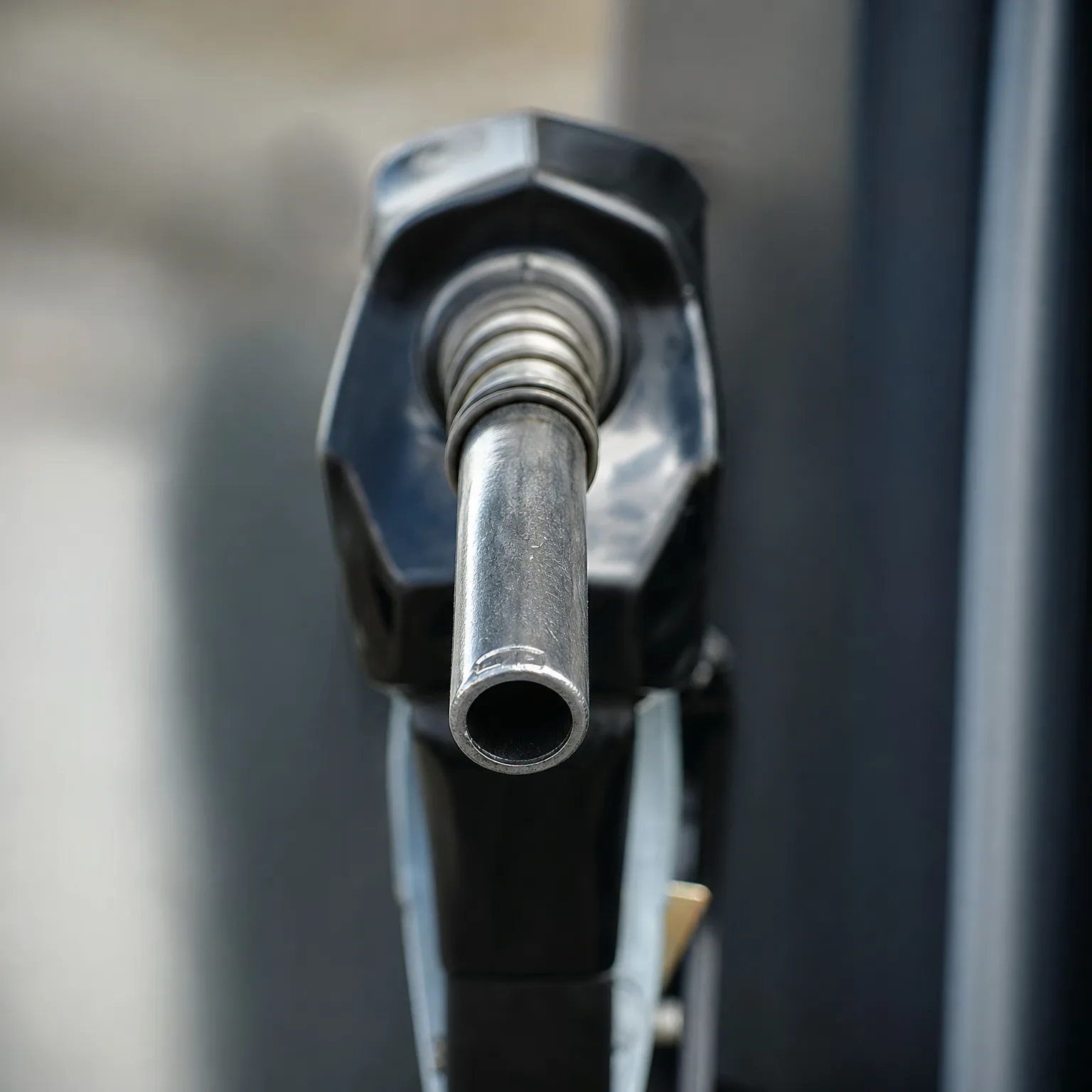
Say you pull up your new homeowners-bundled auto policy to see what actually changed. You notice a line that says comprehensive with a deductible next to it, and you assume that's your full protection since it sounds thorough. You almost move on without checking further.
But you scroll down and realize collision is listed too, separately, with its own deductible that happens to be different from the comprehensive one. That's normal, the two don't have to match, but it's worth noticing so you're not surprised later. You confirm both are there, you understand what each one actually covers, and now you know your car is protected both for a deer strike and for a fender bender in the new neighborhood, not just one or the other.
Now that you know what full coverage includes, compare quotes to make sure you're getting both pieces at a fair price.

Deciding whether to carry both comprehensive and collision
If you do
You're covered if your car is stolen, damaged by weather, or hits another car, not just one of those. Your premium is higher because you're carrying two coverages instead of one, but a major repair or replacement won't come entirely out of your pocket.
If you don't
If you only carry comprehensive, a collision you cause leaves you paying for your own car's damage yourself. That's a real gap if your car has meaningful value, and it's not something most lenders will allow if you still have a loan or lease.

What to check before you assume you're fully covered
- Look for both coverages Your declarations page should list comprehensive and collision as separate lines, each with its own deductible. If only one appears, you likely have a gap.
- Match your deductibles Higher deductibles lower your premium but raise what you'd pay out of pocket after a claim. Pick a number you could actually cover without stress.
- Confirm lender requirements Lenders typically require both comprehensive and collision, not just one. Check your loan documents so your policy actually satisfies what you agreed to.
- Reconsider for an older car If your car is worth little, dropping comprehensive and collision might make sense. Compare the car's value against what you're paying for both coverages.
- Recheck after bundling When you combine auto and home policies, confirm both coverages carried over correctly. Bundling sometimes changes limits or deductibles without it being obvious.
What's the difference between comprehensive and collision coverage?
Comprehensive covers damage to your car from things other than a crash, like theft, fire, hail, or an animal strike. Collision covers damage from hitting another vehicle or object, regardless of fault. They're priced and chosen separately, each with its own deductible. Most lenders require both. If you're deciding which to drop on an older car, compare each coverage's cost against what you'd actually recover, since they protect against very different risks and your car's value matters differently for each one.
Do I need full coverage if my car is paid off?
No, it's optional once there's no loan or lease requiring it. At that point the decision comes down to your car's value and what you could afford to replace it with out of pocket. A newer or higher-value paid-off car often still benefits from full coverage, while an older car worth little may not. Check your car's actual value, compare it to your annual premium for comprehensive and collision, and decide based on what you'd lose versus what you'd save.
Will moving to a new address change my comprehensive coverage cost?
Yes, your address affects your premium because comprehensive risk varies by location, things like weather patterns, theft rates, and local claim history. A garage can lower your cost since it reduces exposure to weather and theft. Check with your insurer after any move, since the change can go either direction depending on where you landed. If your new area has higher theft or severe weather, expect your comprehensive premium to reflect that, not stay the same as before.