Is Car Insurance More Expensive if You Drive to Work
Yes, driving to work usually costs more than not commuting, because insurers price risk by how much and how often you're on the road.
More time on the road means more chances of a claim
Insurers price your policy around how likely you are to file a claim, and time spent driving is one of the clearest signals they have. A daily commute puts you in traffic during the hours when crashes are most common, so insurers treat commuting mileage differently than occasional errands or weekend trips.
What changes your rate isn't just the fact that you commute, but how far and how often. A short walk to a home office looks nothing like an hour each way on a highway, and insurers ask about both distance and frequency when you set up or update a policy. Your new commute, whatever it turned out to be, is worth reporting accurately rather than guessing.
This is also where your move matters beyond the commute itself. A new zip code changes the risk picture too, through things like local accident rates, theft, and weather, separate from how far you drive. Both factors get combined into your rate, so it's possible for one to push the price up while the other pushes it down.
How much any of this moves your rate varies by insurer and by state, since each sets its own rules for weighing mileage against location. If your commute or address changed, the only way to know your real number is to update your policy details and get a fresh quote rather than assume the old rate still applies.
What actually changes your rate after a move like this
- Commute distance How far you drive to work each day is a direct input into your rate. Tell your insurer your real one-way distance instead of leaving an old estimate on file.
- New zip code risk Your new area has its own accident, theft, and weather patterns separate from your commute. Update your address so the quote reflects where you actually live now.
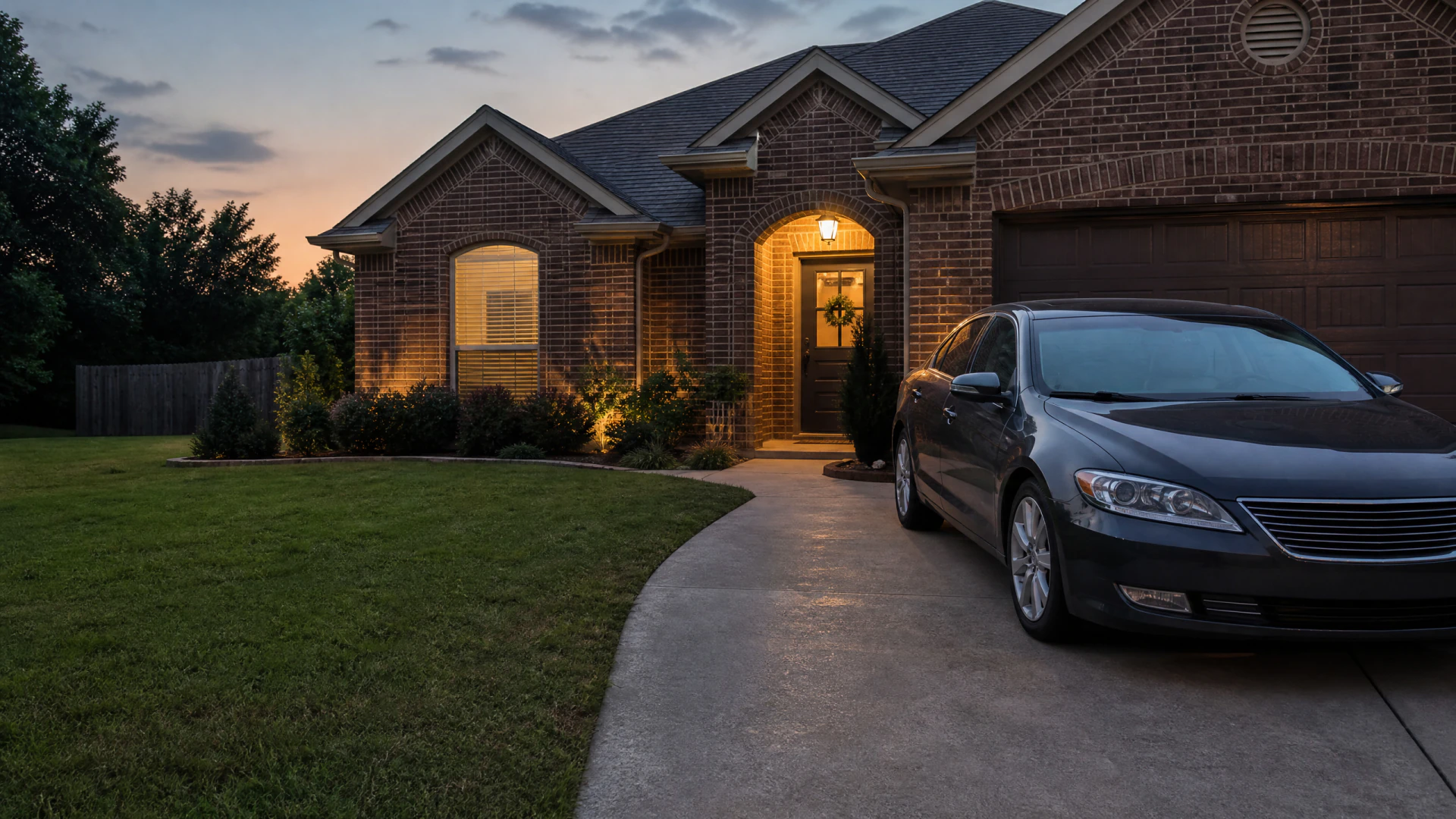
- Garage or driveway parking Where the car sleeps at night affects theft and damage risk. If you now park in a garage instead of on the street, say so, since it can work in your favor.
- Bundling home and auto Combining your new homeowners policy with your car policy often unlocks a lower combined rate. Ask your current insurer for a bundled quote before assuming you need to switch.
- Shopping around now A move is a natural point to compare, since your old rate was built for your old address and commute. Get quotes with your new details before renewing on autopilot.
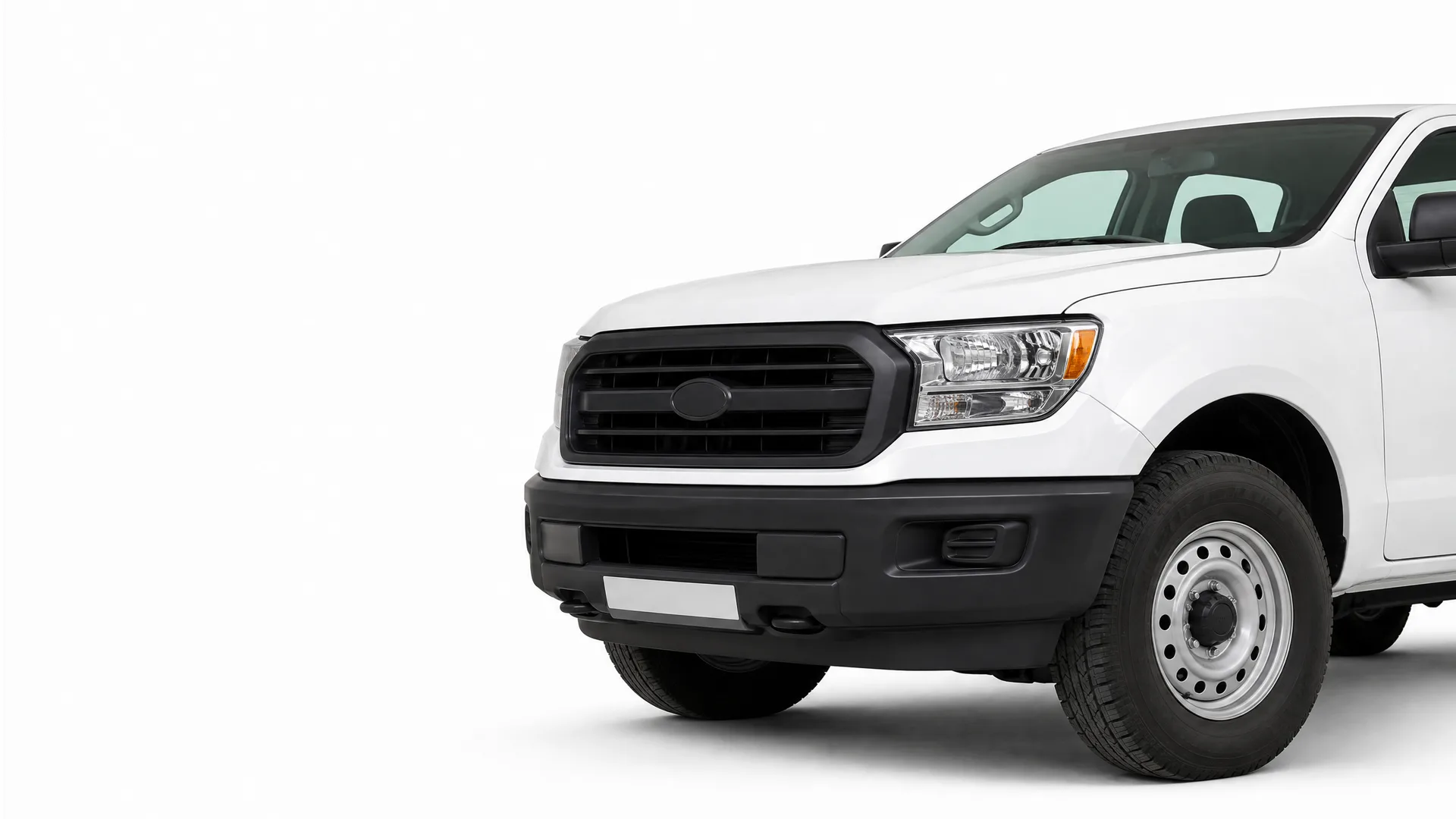
What matters isn't your old rate, it's your new commute and address, so update those first.
Now that you know commuting and your address both affect the price, compare quotes with those details updated.
Will my rate go up if I start working from home instead?
Usually yes, your rate should go down, not up, if you stop commuting. Less regular driving time generally lowers the risk an insurer assigns to your policy, since you're on the road less often during high-traffic hours.
The catch is that this only happens if you tell your insurer. Policies are priced on the driving pattern you reported when you set them up, so if you switched to remote work and never updated anything, you could be paying for a commute you no longer have. Contact your insurer, update your expected mileage, and ask them to recalculate. Whether the drop is noticeable depends on your insurer and how they weigh mileage against other factors, so it's worth asking directly rather than assuming.

Does low mileage always mean a lower rate?
Not always, though it usually helps. Mileage is one factor among several, including your new zip code, the car itself, and your driving history. A short commute in a high-risk area can still cost more than a longer commute somewhere quieter. Check with your insurer how they weigh mileage against location before assuming low mileage guarantees savings.
Do I need to update my policy every time my commute changes?
Yes, any meaningful change in how or how far you drive is worth reporting. Insurers price your policy around the driving pattern on file, so a shorter or longer commute than what's recorded can leave you overpaying or technically misrepresenting your usage. If your commute shifts again, update it rather than waiting for renewal.
Should I combine my car and home insurance now that I own a house?
It's worth asking your insurer for a bundled quote, since combining often lowers the total cost compared to two separate policies. Whether it actually saves you money depends on the insurer and your specific coverage needs, so compare the bundled price against separate quotes before deciding.