Is a Personal Liability Umbrella Policy Worth It
For most new homeowners it's worth it, since it covers the gap between a bad accident's cost and your regular limits.
It covers the one event your regular limits can't absorb
Your car and home policies each have a ceiling on liability, the amount they'll pay if you're found responsible for someone else's injury or damage. Most of the time that ceiling is fine. But a serious car accident, especially one involving injuries, can produce a claim well beyond what a standard policy pays. When that happens, you're personally on the hook for the rest, and that means your savings, your home equity, and future wages can all be reached.
An umbrella policy sits on top of your existing car and home liability coverage and picks up where those limits end. It doesn't replace anything, it extends it. Insurers usually require you to carry a certain liability limit on your underlying car and home policies before they'll sell you the umbrella, so the three pieces work together rather than separately.
What makes it worth it for someone in your position is simple. You just took on a mortgage, which means you now have home equity that's exposed in a lawsuit in a way it wasn't when you were renting. At the same time, your cash reserves may be tighter than before, which makes a large unexpected judgment more dangerous, not less. The umbrella is inexpensive relative to the protection it adds, because big claims are rare even though they're expensive when they happen.
Where it varies is in the details. Some insurers require both your auto and home policies to be with them to qualify, others don't. Underlying limit requirements differ by insurer, and some states handle liability and lawsuit rules differently, which affects how much protection actually matters where you live. Check these specifics with whoever insures your home and car now, since the answer depends on what you already have in place.
What to check before you decide
- Your current liability limits Look at the liability number on your auto and home policies, not just the premium. If it's low, raising it or adding an umbrella matters more.
- Underlying limit requirements Insurers usually require a minimum liability limit on your car and home policies before they'll issue an umbrella. Ask what that minimum is before you shop.
- Who else is on your policy If anyone else drives your car or lives in your home, their actions can trigger a claim too. Make sure the umbrella covers everyone it should.
- Bundling with your home policy Carrying your umbrella with the same insurer as your car and home often simplifies claims and may lower the cost. Ask if that's available to you.
- What's excluded Umbrella policies typically exclude business activities and intentional acts. Confirm it covers the everyday driving and homeownership risks you actually face.
A driveway fender bender that became a bigger claim
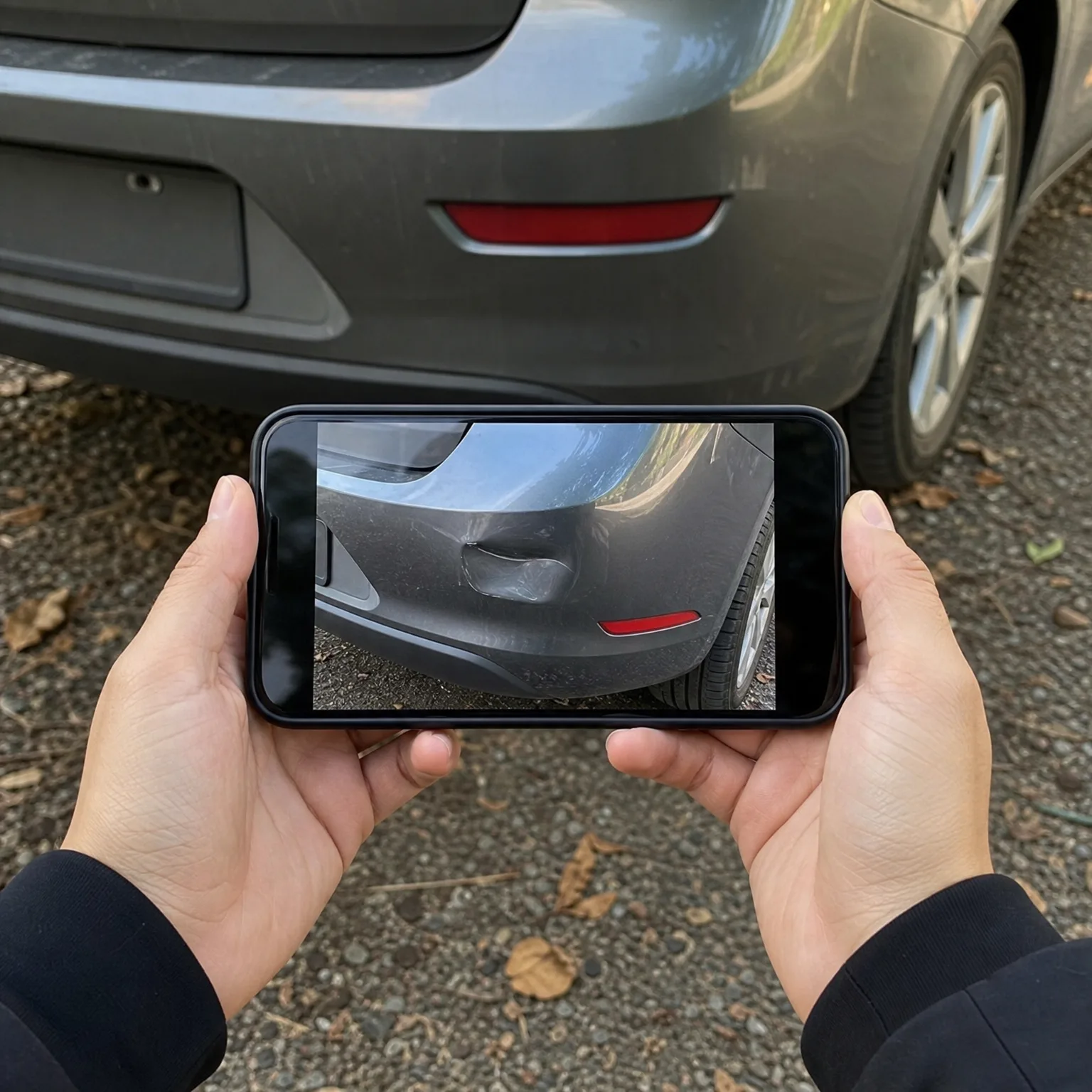
A couple who'd just bought their first home were rear-ended at a stop sign, then pulled forward into the car ahead of them. Three vehicles, two sets of injuries, and a claim that climbed past their auto policy's liability limit once medical bills and lost wages were added up. They'd never thought about umbrella coverage before, since nothing like this had happened to either of them.
Because they'd added an umbrella policy a few months earlier, right after closing on their house, the excess amount above their auto limit was covered instead of coming out of their own pocket. They'd raised their auto liability limit slightly to meet the umbrella's requirement, then added the umbrella itself for a modest yearly cost. When the claim came in, the first layer of coverage paid up to its limit, and the umbrella picked up the rest, protecting the home equity they'd just started building.
Now that you know whether an umbrella fits your situation, compare quotes that include it with your car coverage.
How much umbrella coverage do you actually need?
There's no single right number, but the idea is to match your umbrella coverage to what you have to lose. Think about your home equity, retirement accounts, savings, and future income, since a large judgment can reach all of these. The more you've built up, especially now that you own a home, the more there is to protect.
Many people choose an umbrella limit that roughly covers their net worth, then round up for some cushion. It's also reasonable to ask your insurer what limits are commonly chosen by people with a similar home value and household setup, since that gives you a practical reference point. The cost difference between limit levels is often smaller than people expect, so it's worth asking for a few options before deciding.

Does umbrella insurance cover me if I'm sued for something not related to driving?
Yes, generally. Umbrella policies cover personal liability broadly, including incidents at your home or elsewhere, not just car accidents. Check your specific policy for exclusions like business activities or intentional acts, since those are commonly carved out. If you work from home or rent out space, ask your insurer whether that activity is covered or needs separate protection.
Will adding an umbrella policy raise my car insurance rate?
It can raise your overall cost slightly, since insurers often require higher liability limits on your car policy first. That underlying increase is usually modest compared to the broad protection the umbrella adds. Ask your insurer to show the auto limit increase and umbrella premium separately, so you can see exactly what you're paying for and why.
Can I get an umbrella policy if my car and home are insured with different companies?
Sometimes, but many insurers prefer or require that you hold your underlying auto and home policies with them before selling you an umbrella. If your coverage is split between companies, ask each one whether they offer a standalone umbrella or if you'd need to consolidate your policies first to qualify.