Is 1 Million Liability Insurance Enough
For most new homeowners, a million in liability is well above the usual range, but what's enough depends on what you now have to protect.
It's enough when it covers what you'd actually lose in a lawsuit
Liability coverage exists to pay for injuries or damage you cause to someone else, plus the legal costs if you're sued over it. The right amount isn't a fixed number that works for everyone. It's tied to what you own and what a court could come after, because once your insurance limit runs out, your own assets, including the home you just bought, become the next target.
Buying a home changes this math even if you don't notice it happening. Before, you might have had savings and a car as your only exposure. Now you have equity in a house, and that equity is a visible, documented asset that a judgment can reach. That alone pushes many new homeowners toward higher limits than they carried before, not because driving got riskier, but because they now have more to protect.
Where this varies is in how insurers set their maximum limits, and in how your state handles lawsuits that exceed your coverage. Some states make it easier to pursue personal assets after a crash, others add more friction. Check with your insurer what their highest available limit is, and ask your agent how judgments above policy limits typically get handled where you live.
The other variable is umbrella coverage, which sits on top of your car and home policies and extends liability further for a modest cost. If a million feels like it's close but not quite enough, an umbrella policy is usually the more efficient way to close that gap rather than pushing your car policy's own limit higher.

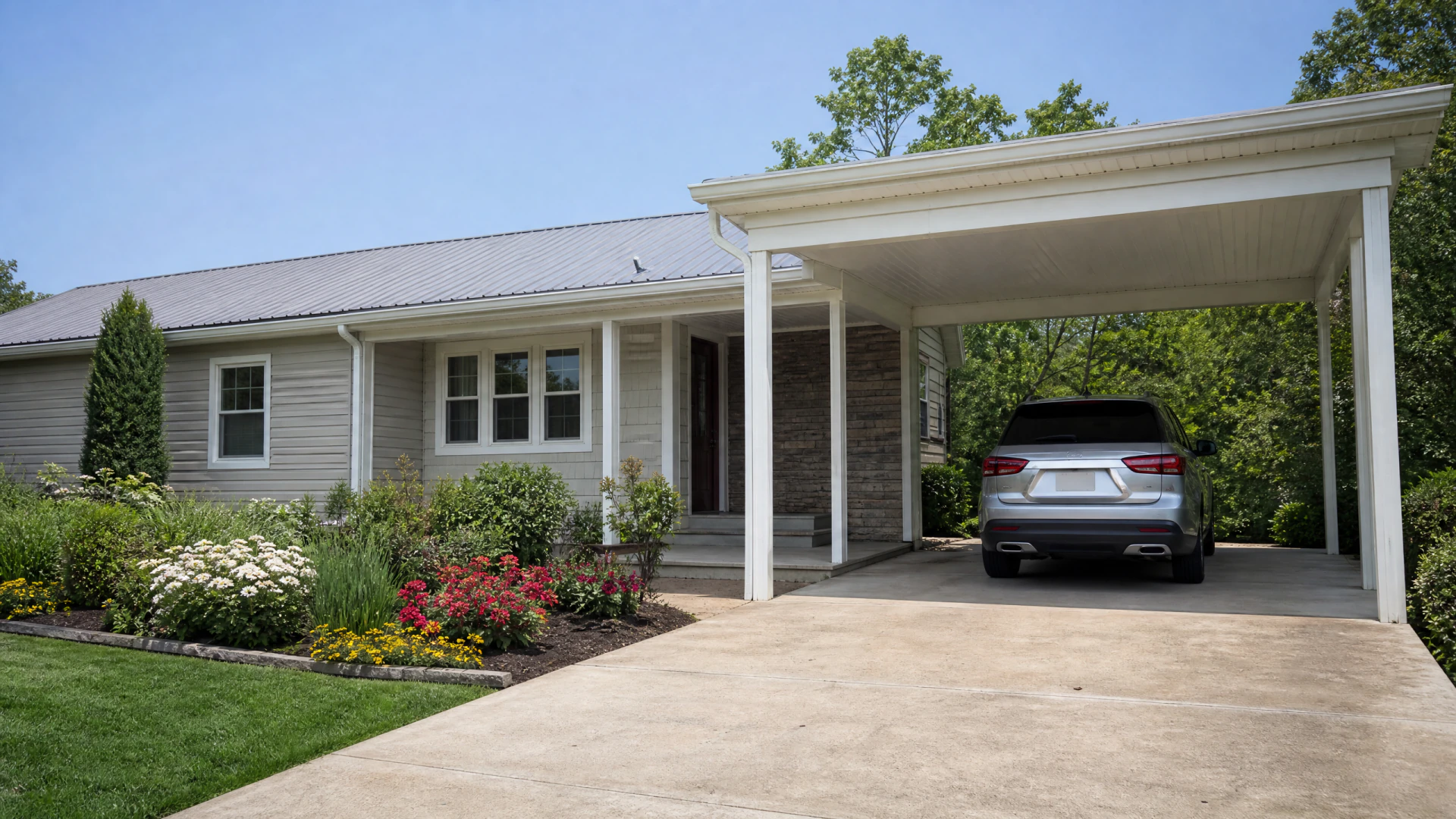
A driveway fender bender that turned into a real question
A couple who'd just closed on their first house were reviewing their car policy alongside the new homeowners policy their lender required. Their liability limit had been set years earlier, back when neither of them owned much beyond a car and a modest savings account. Now they had a down payment's worth of equity sitting in a house, and that changed how they thought about what a bad accident could cost them.
They asked their agent what a million in combined liability would cost compared to their current limit, and found the jump was smaller than expected, especially once they bundled the car and home policies with the same insurer. They raised their limit and added an umbrella policy for a bit more breathing room above that, mainly because the equity in their new home was now something worth protecting specifically. The peace of mind came less from the exact number and more from knowing they'd actually sat down and matched the coverage to what they stood to lose.

Once you know what limit matches what you now own, compare quotes to see what raising it actually costs.

Raising your liability limit to a million
If you do
Your policy now covers a lawsuit that reaches well past minor accidents, protecting savings, equity, and future income if you're found at fault for a serious injury or major damage. The cost increase is usually modest compared to the jump in coverage, especially if you bundle with your home policy.
If you don't
You're relying on whatever limit you set up years ago, which may have been sized for a renter with few assets rather than a homeowner with equity to protect. A serious accident could leave you personally responsible for costs beyond your policy, including against the home you just bought.

What actually decides if a million is the right number
- What you now own Home equity, savings, and future wages are all things a judgment can reach. List what you have today and compare it to your current limit.
- Your state's rules Some states make it easier for judgments to reach personal assets after a crash. Ask your agent how this works where you live.
- Bundling with your home policy Combining car and home coverage with the same insurer often lowers the cost of raising your liability limit. Ask for a bundled quote before deciding.
- Umbrella coverage as a backstop An umbrella policy extends liability beyond your car and home limits for a modest added cost. It's often cheaper than pushing your auto limit higher.
- Who else drives your cars Every driver on your policy adds to your risk exposure. Make sure your limit reflects everyone who regularly drives, not just the policyholder.
The right limit isn't a standard number, it's whatever matches what you now have to lose.