
How to Protect My Home if Sued After a Car Accident
You protect your home by carrying high liability limits plus an umbrella policy, so a lawsuit hits your insurer's money, not your equity.
The moves that actually shield your house
- Raise your liability limits This is the coverage that pays someone else's damages if you're at fault. Set it high enough to cover what you have, not just what the state requires.
- Add an umbrella policy This sits on top of your car and home coverage and pays out after those limits run dry. It's the main tool for protecting savings and equity beyond what auto coverage alone can cover.
- Match limits across policies An umbrella usually requires minimum underlying limits on your auto and home policies. Check what your insurer requires before you assume you qualify.
- Check your homestead rule Some states shield primary residences from certain judgments, others don't. Ask an agent or look up your state's homestead protection before deciding how much coverage you need.
- Review limits after life changes A new home, a new car, or more driving all change your exposure. Revisit your limits now, not after something happens.
A rear-end accident that could have gone two ways
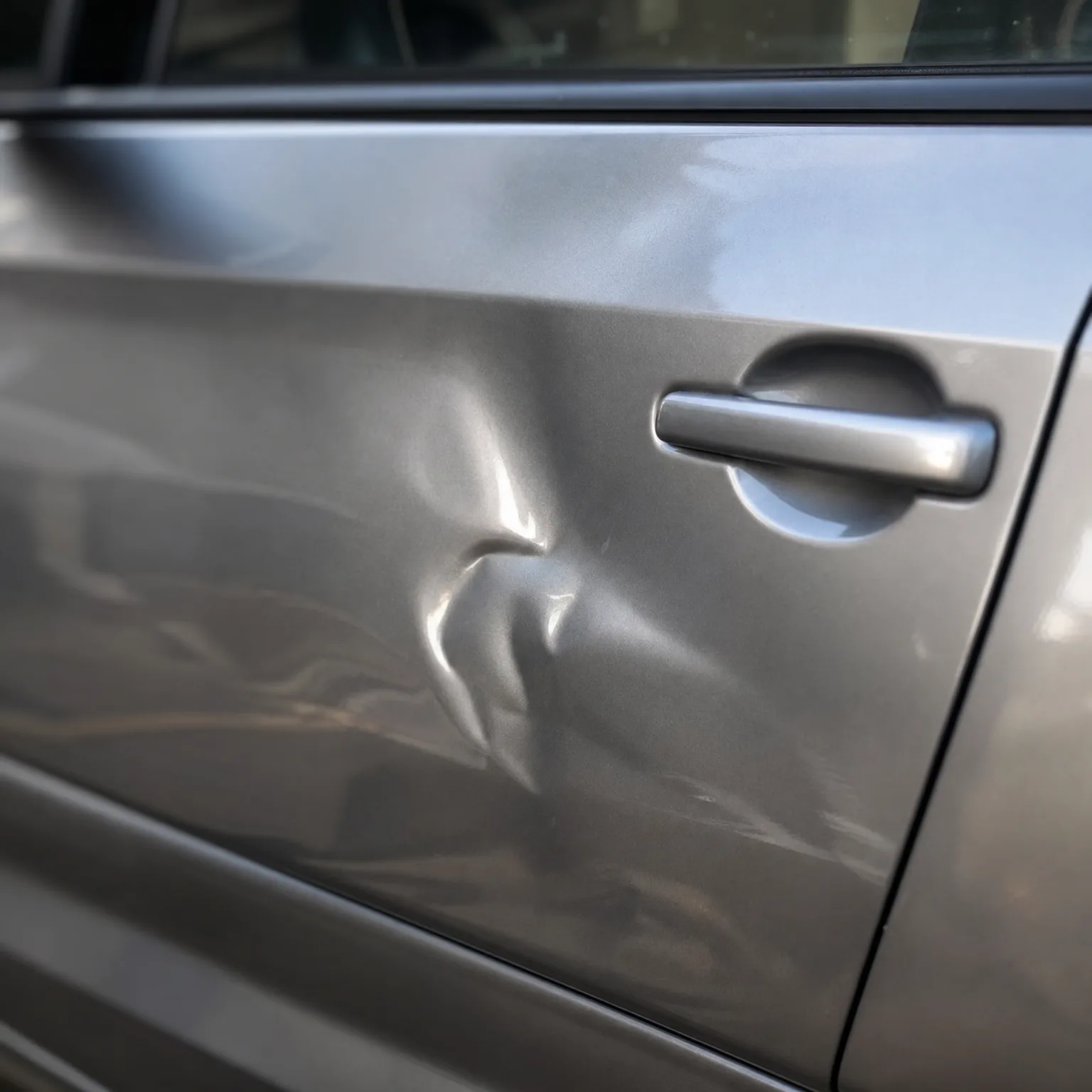
A reader bought their first home and had been driving for years without changing much about an old auto policy. One evening they rear-ended someone at a stoplight, and the other driver ended up with a serious back injury requiring surgery. The medical bills and lost wages claimed against them went well past the liability limit the old policy carried.
Because they'd raised their limits and added an umbrella policy the month they closed on the house, the extra costs were covered by insurance instead of coming out of their own assets. The insurer handled the claim and the settlement stayed within what the two policies covered together. Nothing touched their home equity or savings. The couple realized afterward that the only reason it worked out that way was a decision made months earlier, before they had any idea they'd need it.

Compare quotes now that you know what limits and umbrella coverage you actually need.

Raising your limits and adding an umbrella policy
If you do
Your premium goes up some, but a serious accident no longer threatens your house or savings. Your insurer handles claims up to much higher amounts, and the umbrella catches whatever goes beyond that. You stop worrying about worst-case scenarios every time you drive.
If you don't
You keep paying less each month, but a bad accident could leave you owing more than your policy covers. If a court awards damages beyond your limits, your home equity and savings become fair game. You're betting nothing serious ever happens.
Why liability limits and umbrella coverage work this way
Liability coverage exists to pay for damage you cause to other people, their property, or their health. Every policy has a ceiling, and once a claim goes past that ceiling, you're personally responsible for the rest. That's the gap an umbrella policy is built to close, and it's why insurers require you to carry decent underlying limits before they'll sell you one.
Courts don't care how much equity you have in your house when they calculate a judgment. They look at what you owe based on the damages caused. If your insurance doesn't cover the full amount, creditors can pursue your other assets, and in many states that includes going after home equity through liens or forced sale, depending on local law.
Some states protect a portion of home equity automatically through homestead exemptions, which matter most when you don't have enough coverage. But exemptions have limits too, and they don't apply to every kind of judgment. Treating a homestead exemption as your main line of defense is riskier than treating insurance as the main line and the exemption as backup.
The cases where this plays out differently usually involve either very minor accidents, where the liability limit alone covers everything, or situations with no insurance at all, where you're exposed from the first dollar. For most homeowners with real equity, the sensible range sits between those extremes. You carry enough liability coverage to handle a serious accident, and you add an umbrella to cover what's left, because the cost of doing that is small compared to what you're protecting.
How much umbrella coverage do I actually need?
Enough to cover what you'd lose in a worst-case lawsuit, which usually means adding up your home equity, savings, retirement accounts, and future income. There's no universal number, since it depends on your assets and your state's exemption rules. Check what a local agent recommends based on your specific financial picture, and recheck after major changes like paying down your mortgage or a big raise.
Does my home insurance already include liability protection?
Yes, homeowners policies include their own liability coverage, but it's separate from car insurance and only applies to incidents connected to your home, not car accidents. An umbrella policy usually sits on top of both, extending protection across whichever policy applies. Check your declarations page to see your current home liability limit, since it affects what umbrella coverage you qualify for.
Can a car accident lawsuit actually force the sale of my house?
It's possible, but it depends heavily on your state's homestead exemption and how much equity you have. Some states protect a full primary residence, others only shield a portion. Check your state's specific homestead law, since this single fact changes how much insurance coverage you genuinely need to feel protected.