How Much Car Insurance Do I Need if I Own a House
Once you own a home, your car insurance limits need to cover what you'd lose, not just the legal minimum.
Your assets, not your car, set the real limit you need
Car insurance liability limits exist to cover what happens if you hurt someone or damage property in an accident that's your fault. Minimum limits were set with the smallest claims in mind, not the size of a judgment that could follow a serious crash. Once you own a home, you have something a lawsuit can actually reach, so the math changes even though the car you drive hasn't.
If a claim against you is larger than your policy limit, you are personally responsible for the rest. That can mean a lien on your home or a garnishment of wages, not just an uncomfortable letter. Insurers price higher limits based on risk, and for most homeowners the added cost is small compared to what's exposed without it.
This is also where an umbrella policy fits in, since it sits on top of your car and home coverage and takes over once those limits are used up. Lenders don't require it the way they require homeowners insurance, so it's easy to overlook, but it's often the most efficient way to protect what you've built.
What counts as adequate varies by state, since some states cap how much of your home or wages can be taken in a judgment and others don't. Check your state's rules, or ask an agent directly, before deciding where to land on coverage.
What actually changes once you own a home
- Liability limits These protect your assets, not your car. Raise them to match what you'd stand to lose, which now includes home equity.
- Umbrella coverage This extends protection beyond your car and home policies combined. Ask your agent what it costs and what it would take over.
- New address, new rate Your zip code affects your premium through local claims and theft data. Confirm your policy reflects your new address correctly.
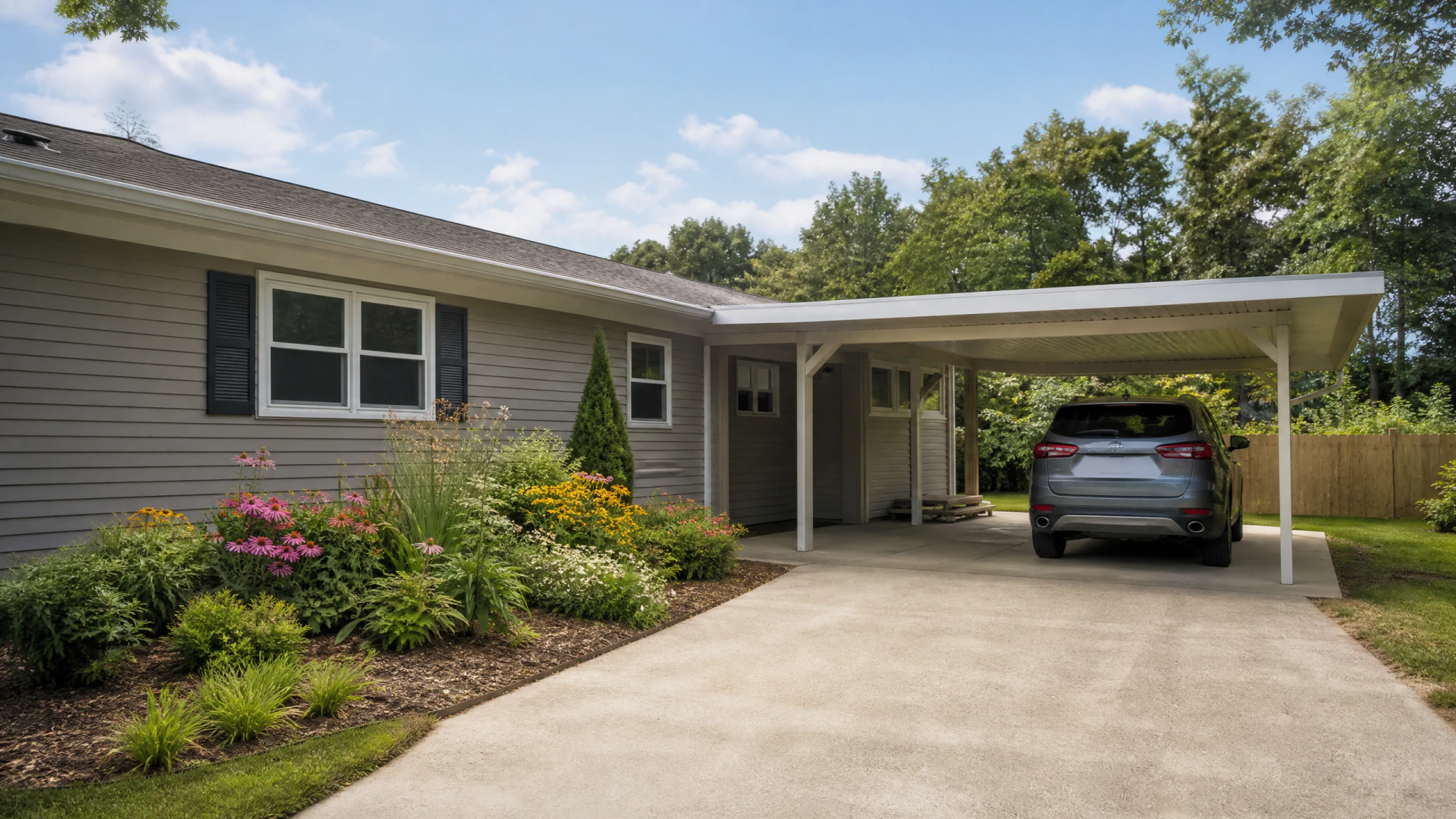
- Garage parking Keeping a car in a garage can lower comprehensive risk. Tell your insurer if you now have covered parking you didn't before.
- Bundling home and auto Combining policies with one insurer can simplify billing and sometimes lowers cost. Compare it against separate policies before assuming it's cheaper.

Now that you know what limits actually protect your home, compare quotes to see what that coverage costs.

Should you raise your liability limits now
If you do
You pay a bit more each month, but a serious at-fault accident won't threaten your home or savings. Your policy absorbs the judgment instead of you. It's a small, predictable cost traded for protection against a much larger, unpredictable one.
If you don't
Your premium stays lower for now. But if you cause a crash with injuries or major damage, you could be personally liable for anything above your limit, including a claim against your home equity or future wages.
Does bundling home and auto insurance actually save money?
Often, but not always, so it's worth checking rather than assuming. Bundling can lower cost through a multi-policy discount and simplifies having one insurer and one renewal date. But sometimes separate policies from different insurers cost less even after the discount is factored in. Compare the bundled price against separate quotes from other insurers before deciding, since the savings depend on how each insurer prices the combination.
How much umbrella insurance coverage do I need?
Enough to cover the gap between your home and auto liability limits and your total net worth, including home equity. There's no universal number, since it depends on what you own and what state you're in. Add up your assets, including equity, savings and investments, and compare that to your current liability limits. The difference is roughly what umbrella coverage should bridge. An agent can help size it precisely.
Does my credit score affect my car insurance rate?
In many states, yes, insurers use credit-based scoring as one factor in pricing. It's not the same as your credit score for loans, but it draws on similar data. A few states ban this practice entirely, so check your state's rules. If it applies where you live, improving your credit over time can lower your rate, though it won't change it immediately.
Your car insurance now has to protect your house too, not just your car.