Does Mileage Matter on an Insurance Claim
Yes, mileage can matter, because it affects your rate and can raise questions if a claim shows you drove far more than you reported.
Mileage shapes your rate upfront and your credibility later
Insurers price your policy partly on how much they expect you to drive, because more miles mean more exposure to accidents. When you set up a policy, you give an estimate, and that estimate helps determine your premium. If your real driving looks very different, especially if it's much higher, the mismatch can surface when you file a claim.
During a claim, an adjuster may check mileage through service records, your odometer, or statements you've made. This isn't about punishing you for driving more than planned. It's about confirming the risk they priced matches the risk you actually carried. A small gap rarely causes trouble. A large, unexplained gap can lead to questions about whether your policy still reflects your real use.
The cases where this gets serious usually involve commuting status. If you told your insurer you don't commute but mileage records show a daily work drive, that's a bigger discrepancy than casual extra errands or a road trip. Insurers care most about patterns that change your risk category, not small variations.
What counts as a meaningful gap, and how it's verified, varies by insurer and sometimes by state. Some companies are lenient about estimates that drift over time, others expect updates. Check your policy terms or ask your agent what triggers a mileage review.

When a new commute changed what counted as accurate
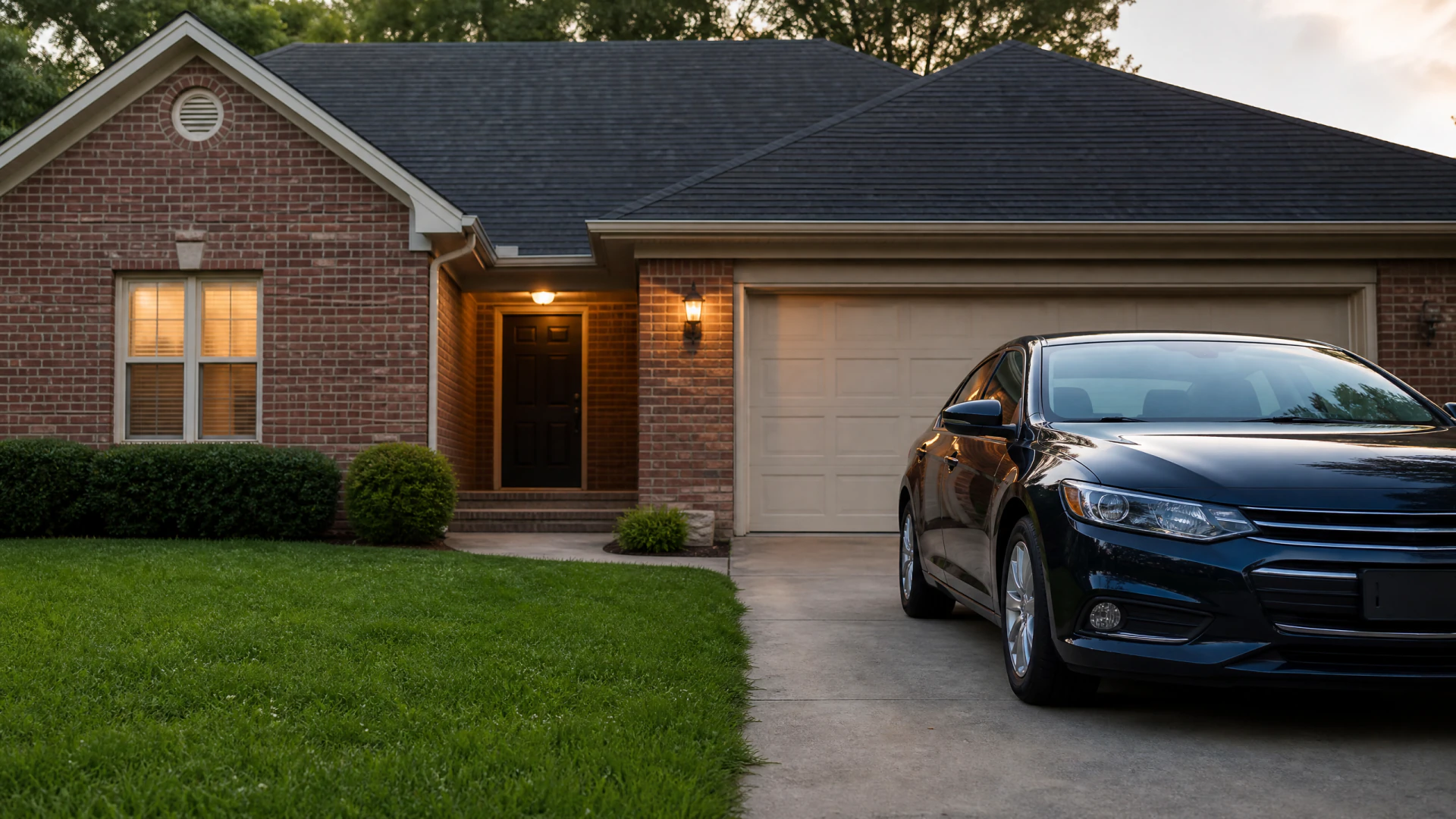
Picture a homeowner who moved to a house with a longer commute than their old apartment. They hadn't updated their policy yet, since the move had already brought a mortgage, a new homeowners policy, and a dozen other decisions. Their car insurance still listed the short commute from before.
Months later they were in a minor accident on the new route. During the claim, the adjuster asked about typical driving patterns, and the homeowner mentioned the new commute. Because the change was recent and modest, it didn't affect the claim outcome, but the insurer flagged the policy for an update. The homeowner adjusted their mileage estimate going forward, which changed their premium slightly but kept their coverage accurate. Had the commute been long-standing and never disclosed, the outcome could have been more complicated.
Will my claim be denied if my mileage was wrong?
Usually not, as long as the gap is reasonable and wasn't an attempt to hide something. Insurers generally expect some drift between estimated and actual mileage, since driving habits shift over time, especially after a move. A denial is more likely when the discrepancy is large and tied directly to the accident, such as claiming you rarely drive when records show daily long-distance use.
What usually happens instead is a premium adjustment going forward, not a denial of the current claim. The clearest way to avoid any issue is updating your mileage estimate whenever your routine changes in a lasting way, like a new commute or a new job location. If you're ever unsure whether a change counts as significant, ask your insurer directly rather than guessing.
Now that you know how mileage affects your coverage, compare quotes with an accurate estimate in hand.

Updating your mileage estimate after the move
If you do
You give the insurer your new commute or driving pattern, and they adjust your premium to match. Your policy reflects your real risk, so if you ever file a claim, there's no mismatch to explain. It takes a few minutes and avoids any later questions about accuracy.
If you don't
Your policy still reflects your old driving pattern, which may now be inaccurate. If you file a claim and the gap is significant, an adjuster may ask about it, and you could face a premium correction or added scrutiny. The coverage itself usually still applies, but the conversation gets harder.
What to check about mileage now that you've moved
- Update your commute distance Your new address likely changed how far you drive to work. Tell your insurer the new distance so your estimate matches reality.
- Account for new routine trips A new neighborhood often means new routes for groceries, gym, or family visits. Rough totals matter more than exact numbers.
- Note if you now commute at all Switching from no commute to a daily one is the biggest mileage change insurers care about. Mention this specifically when updating your policy.
- Ask how mileage is verified Some insurers check odometer readings or service records during claims. Ask what your insurer checks so you know what to expect.
- Revisit your estimate yearly Driving patterns shift gradually, even without a move. A yearly check keeps your estimate close to accurate without extra effort.
Does low mileage lower my car insurance rate?
Yes, generally. Insurers see fewer miles as less exposure to accidents, so a lower estimate often leads to a lower premium. This varies by insurer, since some weigh mileage heavily while others focus more on location or driving history. If your new home means less driving than before, mention that specifically when updating your policy, since it could work in your favor rather than just being a formality.
How does an insurer verify my actual mileage?
Mainly through service records, odometer photos, or statements made during a claim. Some insurers also offer mileage tracking programs, which vary in how they work and what they require. If you're unsure whether your insurer uses any of these methods, ask directly, since it affects how precisely you should estimate your driving going forward.
Should I update mileage every time my routine changes?
Only when the change feels lasting, not for a one-time trip or a temporary detour. A new commute, a new job location, or a shift to more remote work are the kinds of changes worth reporting. Small week-to-week variation is normal and expected, so insurers don't need updates for every fluctuation, only for patterns that represent your new normal.